Responsible AI Use
Introduction to AI Ethics
What Is AI Ethics?
AI ethics is a field of study focused on the moral principles and values that should guide the design, development, and use of artificial intelligence. It's about asking tough questions: What does it mean for an AI to be 'good' or 'fair'? How can we build systems that help people without causing unintended harm?
At its core, it's about making sure that as we create increasingly powerful technology, we do so responsibly. This isn't just a technical problem for computer scientists to solve; it involves philosophy, law, and social science to figure out how these systems should behave and how they impact our world.
Ethics
noun
Moral principles that govern a person's behavior or the conducting of an activity.
A Quick Look Back
The conversation around the ethics of intelligent machines is older than the machines themselves. For centuries, stories and myths have explored the idea of artificial beings, from the Golem of Prague to Mary Shelley's Frankenstein. These tales often served as warnings about the responsibility that comes with creation.
As computer science emerged in the mid-20th century, pioneers like Alan Turing and Norbert Wiener began to consider the societal impact of their work. Science fiction authors, most famously Isaac Asimov with his "Three Laws of Robotics," brought these questions to a wider audience. They wrestled with ideas of machine consciousness, control, and what could happen if our creations became more intelligent than us.
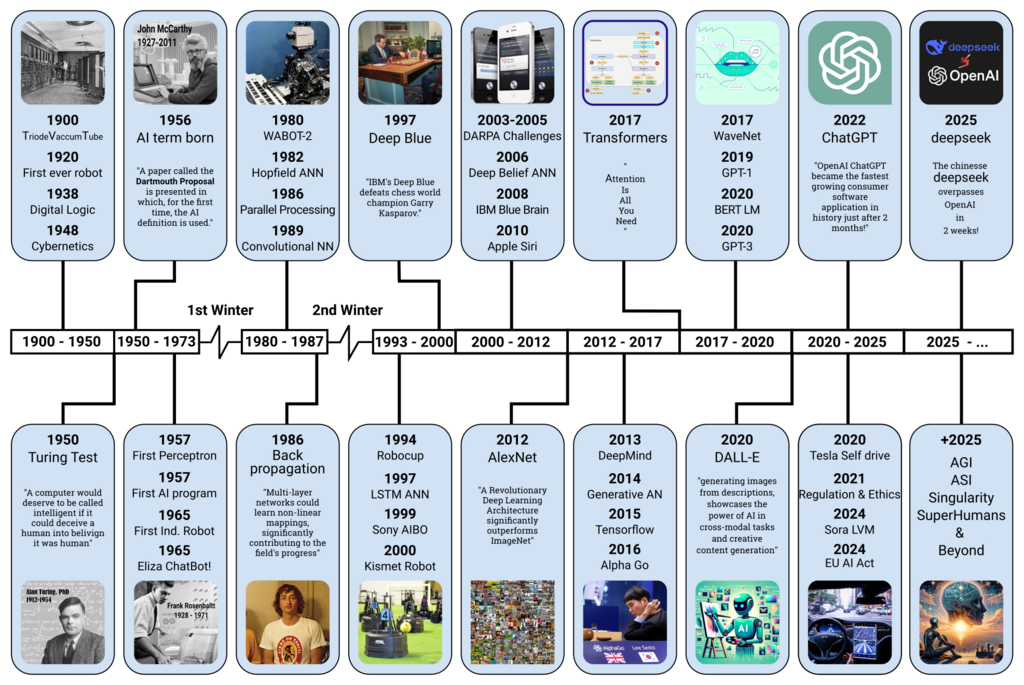
While the technology was once purely theoretical, today's AI systems are real and powerful, making these ethical discussions more urgent than ever.
Why It Matters Now
AI is no longer confined to research labs or science fiction. It's woven into the fabric of our daily lives. AI helps recommend movies, diagnose diseases, and even decide who gets a loan or a job interview. Because these systems have real-world consequences, the values we build into them matter immensely.
Think of it like building a bridge. An engineer doesn't just need to know physics; they also have an ethical duty to build a bridge that is safe and serves the community. Similarly, an AI developer has a responsibility to build systems that are fair, reliable, and beneficial to society.
As AI becomes more integrated into society, ensuring its ethical use is crucial to prevent harm, bias, and misuse.
The Big Challenges
Navigating AI ethics means tackling several major challenges. These aren't simple problems with easy answers, but they are central to the conversation about responsible AI.
| Challenge | Question |
|---|---|
| Bias | How do we prevent AI from learning and amplifying unfair human biases found in data? |
| Transparency | Can we understand and explain why an AI made a particular decision, especially when the outcome is critical? |
| Accountability | When an AI system causes harm, who is responsible? The developer, the owner, or the user? |
| Privacy | How can we use the power of data to train AI without violating people's right to privacy? |
One of the most persistent issues is bias. AI systems learn from data, and if that data reflects existing societal biases, the AI will learn them, too. This can lead to discriminatory outcomes in areas like hiring, criminal justice, and healthcare.
Another key challenge is transparency, often called the "black box" problem. Some of the most powerful AI models are so complex that even their creators can't fully explain the reasoning behind a specific result. This lack of clarity makes it difficult to trust the system or fix it when it makes a mistake.
These challenges highlight the need for careful thought and planning. Building ethical AI isn't an afterthought; it has to be a core part of the process from the very beginning.
The "black box" problem in AI refers to which of the following challenges?
If an AI system learns from historical data that reflects societal prejudices, it may produce discriminatory outcomes. This is a primary example of AI ______.
Thinking through these concepts is the first step toward understanding the complex and fascinating world of AI ethics. It's a conversation that involves all of us, shaping a future where technology serves humanity well.