Responsible AI Use
Introduction to AI Ethics
What is AI Ethics?
Artificial intelligence isn't just about code and data; it's about how these powerful tools affect people and society. AI ethics is the field dedicated to guiding the design and use of AI in ways that are beneficial and fair to humanity. It asks the tough questions: How do we prevent AI from causing harm? How do we ensure it treats everyone equitably? And who is responsible when things go wrong?
Thinking about ethics from the start helps developers build AI systems that we can trust. It's not an optional add-on but a crucial part of creating responsible technology.
Core Ethical Principles
To navigate the complexities of AI, experts focus on a few core principles. These act as a moral compass for developers, policymakers, and users.
Transparency: This is about understanding how an AI system works. If an AI denies someone a loan, the bank should be able to explain why. A "black box" system, where the decision-making process is a mystery, isn't transparent. We need to know the logic behind AI-driven outcomes.
Fairness: AI models learn from data, and if that data reflects existing societal biases, the AI can learn them too. For example, if a hiring algorithm is trained on historical data where men were predominantly hired for a certain role, it might unfairly favor male candidates. Fairness means actively working to identify and correct these biases to ensure equitable treatment for everyone.
Accountability: If an autonomous vehicle causes an accident, who is at fault? The owner, the manufacturer, or the software engineer who wrote the code? Accountability means establishing clear lines of responsibility for the actions and outcomes of AI systems.
Privacy: AI systems often require vast amounts of data to function, some of which can be deeply personal. The principle of privacy ensures that personal data is collected, used, and stored securely and with consent. It's about protecting individuals from surveillance and unauthorized use of their information.
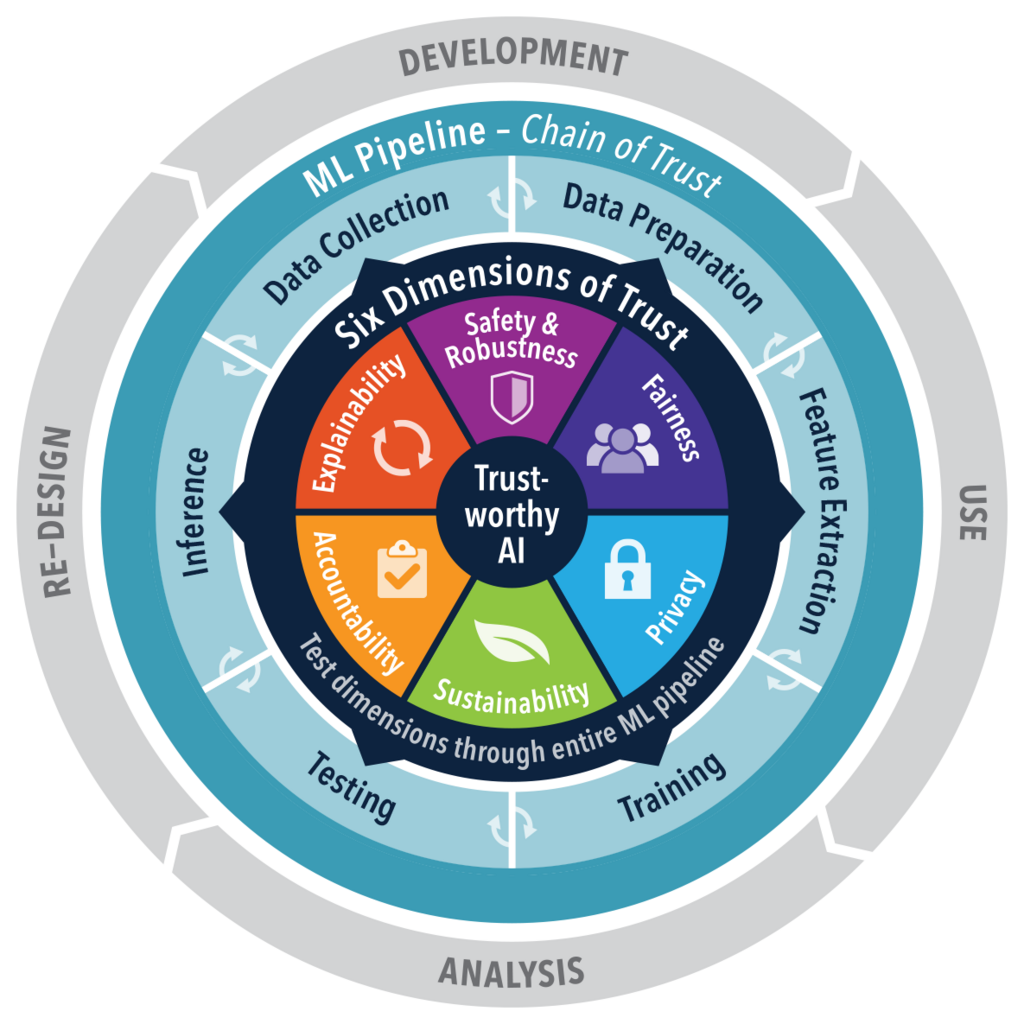
AI ethics focuses on principles such as fairness, transparency, accountability, and privacy to guide responsible AI development and deployment.
These principles are not standalone ideas; they are interconnected parts of a larger goal: creating AI that is trustworthy and aligned with human values.
A Growing Conversation
The discussion around AI ethics isn't new, but it has become much more urgent. Early conversations in the mid-20th century were often theoretical, confined to science fiction and academic circles. As AI moved from theory to reality, powering everything from search engines to medical diagnostics, the ethical stakes grew higher.
Today, the development of ethical guidelines is a global effort involving technologists, ethicists, governments, and the public. It's a recognition that building responsible AI is a shared responsibility. The goal is to create frameworks and rules that ensure AI serves humanity's best interests as it becomes more integrated into our daily lives.

Now let's test your understanding of these core concepts.
What is the primary goal of the field of AI ethics?
An AI system used for loan applications denies an applicant, but the bank cannot explain the specific reasons for the decision. This situation primarily represents a failure of which ethical principle?
Next, review the key terms we've covered.
Understanding these foundational principles is the first step. They provide the lens through which we can examine the specific ethical challenges posed by more advanced systems, like the large language models we'll explore next.