Respiratory System Essentials for TEAS
Respiratory System Overview
The Breath of Life
Every moment of every day, you do something remarkable without even thinking about it: you breathe. This automatic process is the core mission of your respiratory system.
The job is simple: bring oxygen from the air into your body, and remove carbon dioxide from your cells, sending it back into the air.
Oxygen is the fuel your cells need to function, and carbon dioxide is the waste product they create. The respiratory system manages this vital exchange. It's an intricate network of passages and organs, all working together to keep you going.
The Pathway of a Breath
The journey of a single breath begins in the nasal cavity, or your nose. It's more than just a passage for air. The nose warms, moistens, and filters the air you inhale, removing dust and other particles before they can get any further.
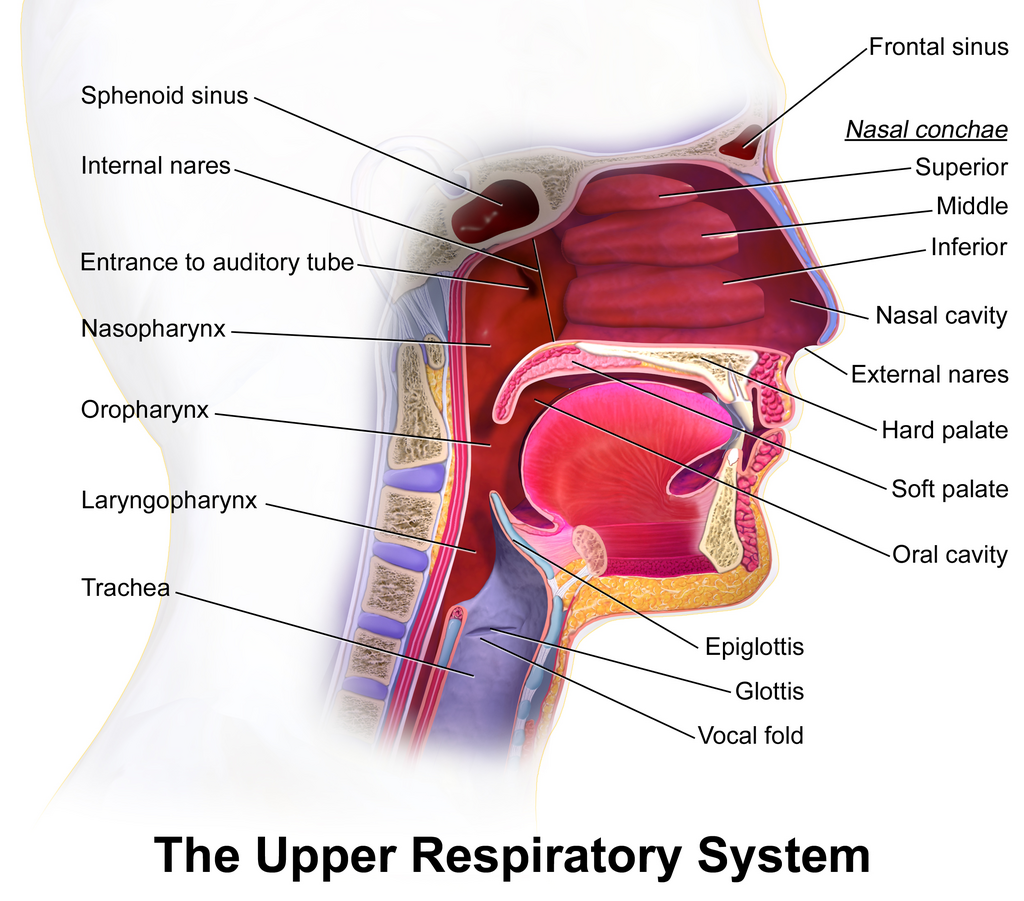
From the nasal cavity, air moves into the pharynx, which you probably know as your throat. This is a crucial intersection where the pathway for air crosses the pathway for food. After the pharynx, air passes through the larynx, or voice box. This is where your vocal cords are located, but its main job in breathing is to guide air toward the lungs and block food from going down the wrong way.
Next, the air travels down the trachea, often called the windpipe. This is a strong, flexible tube that leads from your throat into your chest.
Into the Lungs
Inside your chest, the trachea splits into two main tubes called the bronchi. There's one bronchus for each lung. Think of this as the main trunk of a tree splitting into two large branches.
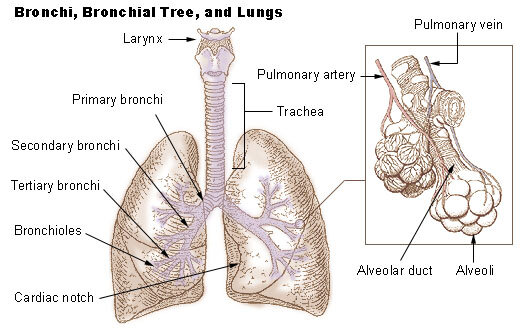
Inside the lungs, the bronchi continue to divide into smaller and smaller tubes, creating a vast network of airways. These branches eventually end in tiny, delicate air sacs called alveoli.
The lungs themselves are large, spongy organs that fill most of your chest cavity. They are the central hubs of the respiratory system. It's within the millions of alveoli in your lungs that the real magic happens: the exchange of oxygen and carbon dioxide.
This entire system, from your nose to your alveoli, is designed to efficiently transport air and facilitate the exchange that keeps your body's cells supplied with the oxygen they need to live.
What is the primary role of the nasal cavity when you inhale?
Which of the following lists the structures in the correct order that air passes through them after entering the nose?