Resource Optimization Strategies
Understanding Resource Optimization
Making the Most of What You Have
Imagine you're baking a cake with a limited set of ingredients. You have a specific amount of flour, a few eggs, and a certain budget for everything else. To bake the best possible cake, you need to use these ingredients wisely, without waste. This is the core idea behind resource optimization.
Resource optimization is the systematic process of allocating and managing available resources in the most efficient way possible to achieve organizational objectives.
In simple terms, it's about getting the best results from the resources you have. Resources aren't just money or materials. They can be anything you use to achieve a goal: people's time and skills, technology, or physical space. Optimization is the strategy for using these assets in the smartest way possible.
The Importance of Efficiency
A key principle of optimization is efficiency. Being efficient means achieving your goal while minimizing waste. It’s not just about what you accomplish, but how you accomplish it. Wasting resources means you could have done more with what you had, or achieved the same result with less.
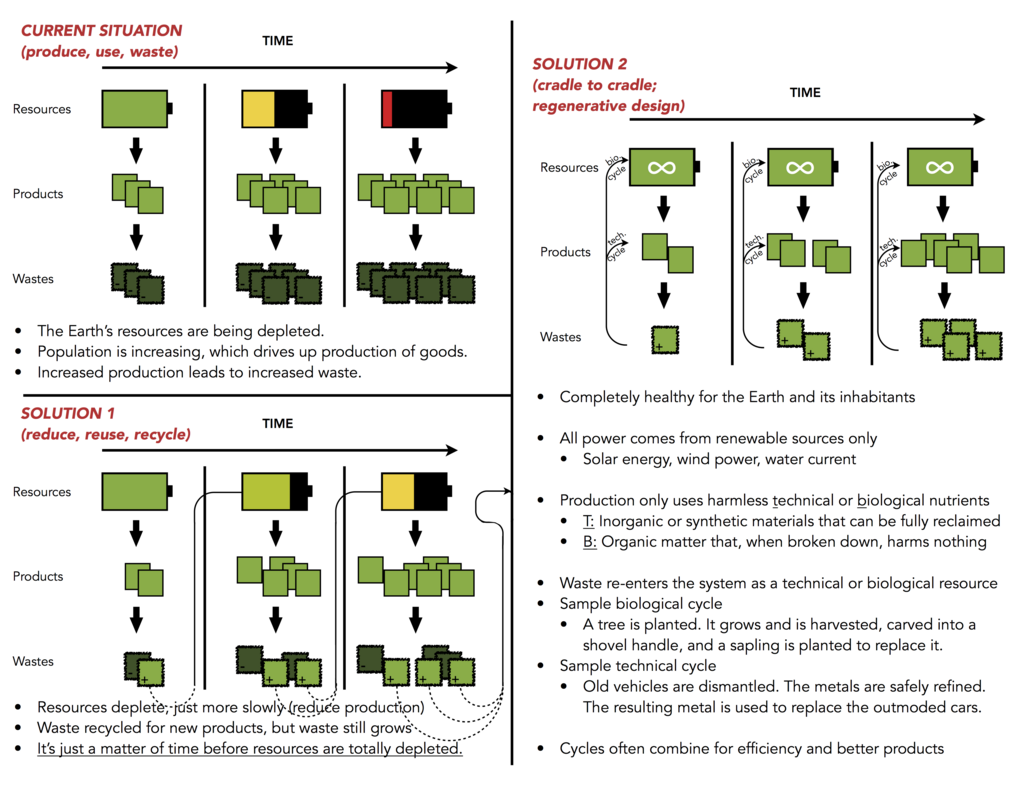
This diagram shows the difference between a typical linear process and a more efficient circular one. In a linear system, we take resources, make something, and then throw it away. It’s inherently wasteful.
Resource efficiency pushes us toward a circular or regenerative model. The goal is to design systems where waste is minimized from the start. Instead of ending up in a landfill, materials are reused, recycled, or returned to the environment safely. This approach ensures that resources are used sustainably, providing value for as long as possible.
Optimization in Action
The principles of resource optimization apply everywhere, from large corporations to small community groups. Let's look at two common areas: project management and non-profit organizations.
In project management, resources are always limited. Every project has a budget, a deadline, and a specific team. These three factors—cost, time, and scope—are interconnected. Changing one almost always affects the others.
A project manager's job is to balance these constraints. If a client wants to add more features (increasing the scope), the manager knows it will likely take more time or cost more money. Resource optimization here means allocating the team's hours and the project's budget to deliver the best possible result within these limits. It could involve finding more efficient ways to build something or prioritizing the most critical tasks to stay on schedule.
Non-profit organizations often operate with even tighter constraints. Their resources—donations, volunteer hours, and grants—are precious and must be used for maximum impact. For a non-profit, resource optimization means directing every dollar and every hour of work toward its core mission.
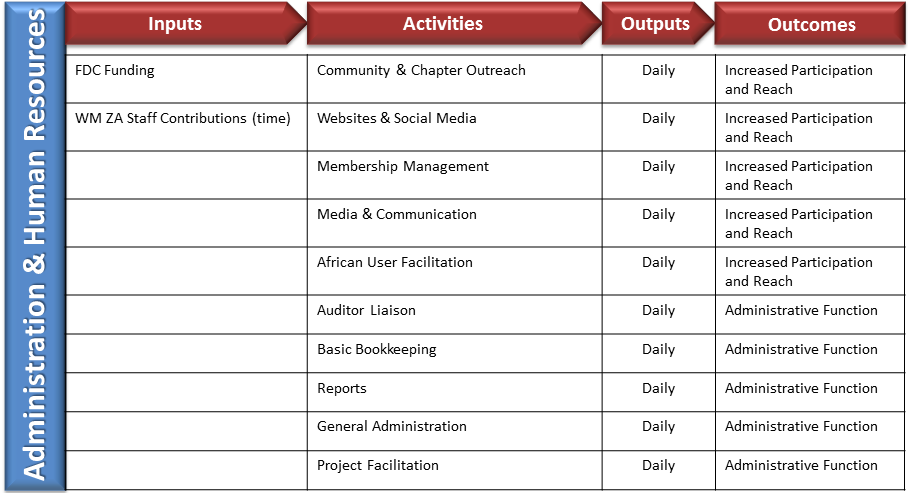
This might mean investing in technology to automate administrative tasks, freeing up staff to focus on community outreach. Or it could involve carefully planning volunteer schedules to ensure the right people with the right skills are available when they're needed most. By optimizing their resources, non-profits can serve more people and make their funding go further.
Let's check your understanding of these foundational ideas.
What is the primary goal of resource optimization?
A 'take, make, throw away' process is an example of which type of system?
Whether in business, non-profits, or even personal projects, optimizing resources helps turn limited inputs into the greatest possible outcomes.