Resource Distribution and Economic Outcomes
Introduction to Resource Distribution
The Starting Line
Every economy is built on resources. These aren't just things we dig out of the ground, like oil or diamonds. Resources also include fertile land for farming, skilled people who can build things, and the technology that makes work easier. Think of them as the basic ingredients for creating everything a society needs and wants.
The way these ingredients are shared, or distributed, is one of the most important factors in how a society functions. Who gets what, and why? This fundamental question shapes the lives of everyone, from the wealthiest individuals to the poorest communities.
Wealth and Poverty
At its core, the distribution of resources creates wealth and poverty. They are two sides of the same coin.
Wealth
noun
An abundance of valuable possessions or money.
Wealth is what happens when individuals, companies, or countries have access to a large share of resources and use them to create more value. It's not just about having money, but about owning assets that can generate more income, like factories, property, or advanced technology.
Poverty
noun
The state of being extremely poor, lacking the material possessions or income for a person's basic needs.
Poverty, on the other hand, is a state of scarcity. It means lacking access to the essential resources needed for a decent standard of living. This includes not just money, but also access to clean water, food, housing, education, and healthcare. When a person or a community lacks these foundational resources, it becomes incredibly difficult to improve their situation.
An Uneven World
If you look at a map of the world, you'll see that resources are not spread evenly. Some countries have vast oil reserves, while others have none. Some have climates perfect for growing valuable crops, while others are mostly desert. This natural lottery gives different countries very different starting points for economic development.
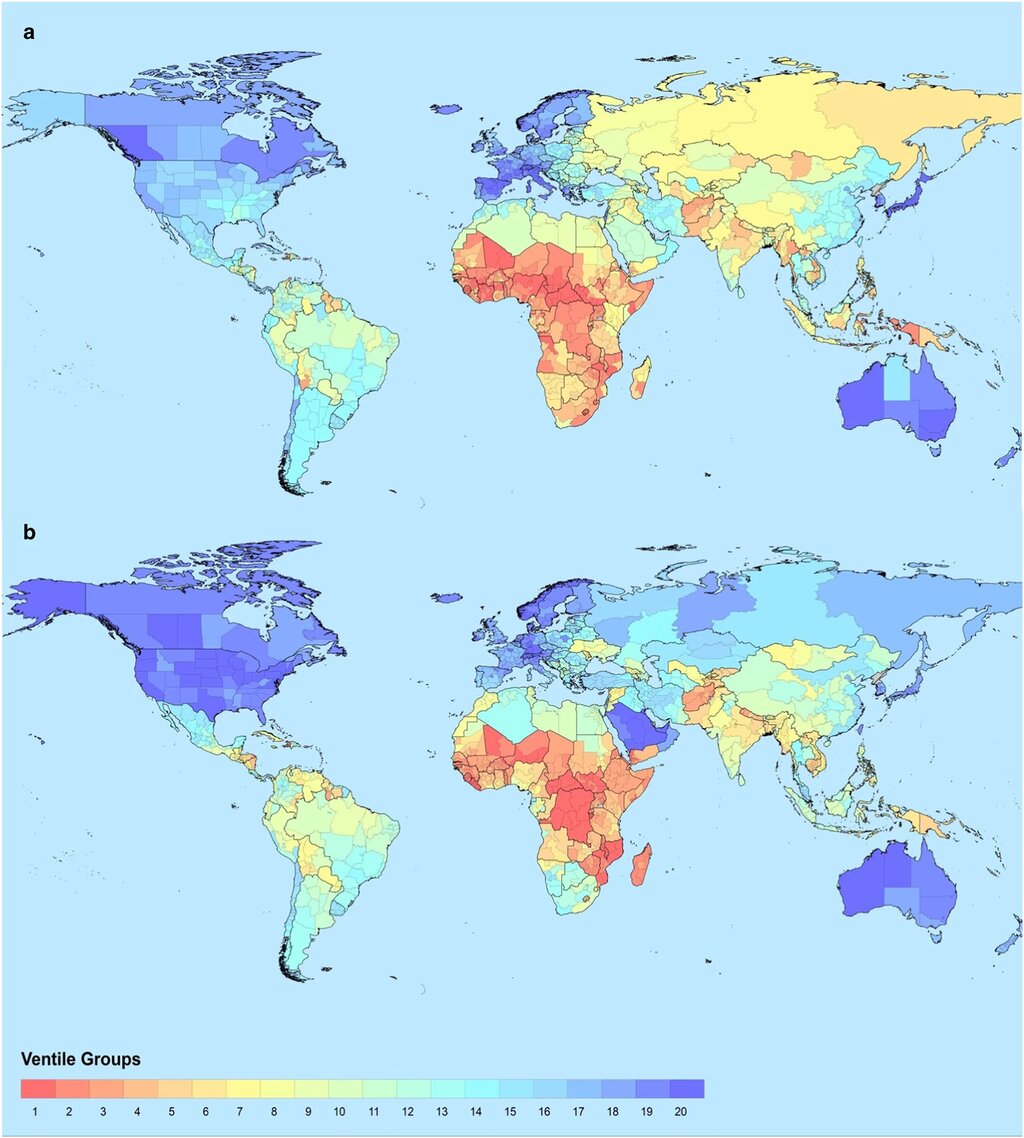
This disparity isn't limited to natural resources. Some nations have highly educated and skilled populations, which is a powerful resource called 'human capital.' Others may have stable governments and legal systems that encourage investment and innovation, while some struggle with conflict and instability that make it hard to build anything lasting.
The combination of these factors creates a deeply uneven global landscape. The availability of resources is the first chapter in the story of why some countries are wealthy and others face persistent poverty.
Understanding this initial distribution is key. It sets the stage for everything that follows, from trade patterns to global politics. The systems societies create to manage and redistribute these resources determine the economic fate of their people.