Resolving Relationship Conflicts
Understanding Conflict
The Nature of Conflict
Conflict is a natural part of any relationship. It’s the friction that occurs when two people have different needs, opinions, or expectations. It’s not a sign that a relationship is failing; in fact, it’s often a sign that both people are engaged and care enough to disagree.
Think of it as a signal. Conflict signals that something needs attention. It might be a minor annoyance or a deep-seated issue, but ignoring it rarely makes it disappear. Understanding what conflict is and where it comes from is the first step toward handling it constructively.
It’s important to start with an understanding that conflict is normal and natural, and disagreements are part of both life and work.
Conflicts can be categorized in many ways. One useful model distinguishes between the surface-level issue and the deeper, underlying problem.
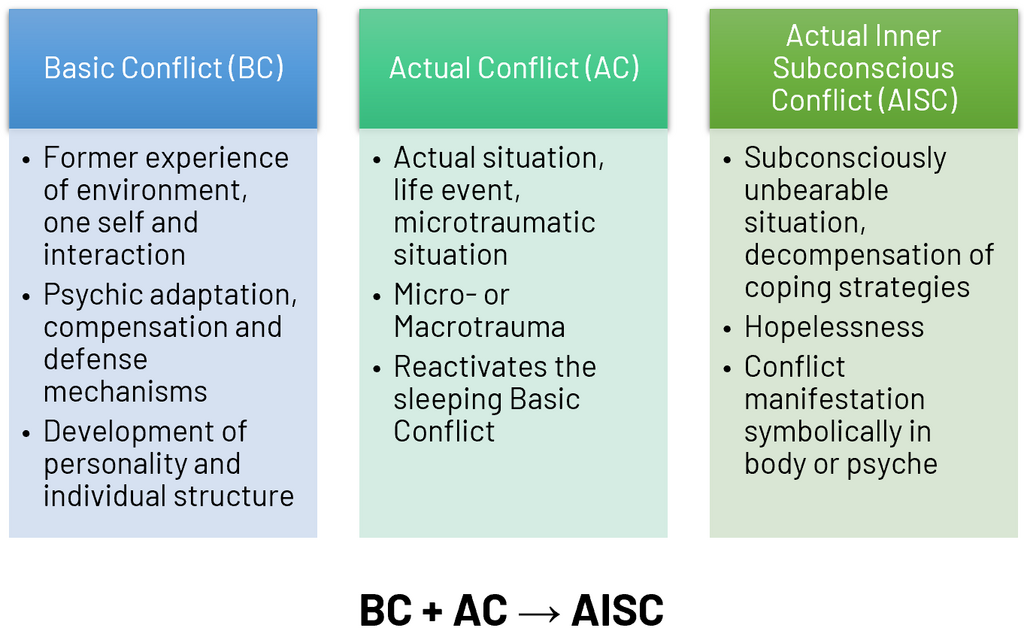
In this framework, the Actual Conflict is the argument you're having right now, like a fight about who does the dishes. The Basic Conflict, however, is the root cause. It might be about fairness, feeling unappreciated, or mismatched expectations about household roles. The real issue isn't the dirty plates; it's the feeling behind it. When the basic conflict isn't addressed, the same actual conflicts will keep popping up.
The Roots of Disagreement
Conflicts rarely appear out of thin air. They grow from specific seeds. Understanding these common causes can help you identify why disagreements are happening in your own relationships.
Differing Values and Beliefs: You and your partner might have fundamental differences in how you see the world, from financial habits to parenting philosophies. One person might value saving for the future, while the other prioritizes enjoying the present. Neither is wrong, but the difference can create tension.
Unmet Needs and Expectations: Everyone enters a relationship with certain needs—for affection, support, or independence—and expectations about how their partner will behave. When these go unspoken and unmet, disappointment and resentment can build. You might expect your partner to text you throughout the day, while they believe talking in the evening is enough.
External Stressors: Life happens. Job loss, financial strain, health problems, or family issues can put immense pressure on a relationship. When people are stressed, they have less patience and emotional energy, making conflict more likely. A short temper due to a tough week at work can easily spark an argument over something trivial.
Power Dynamics: Issues of control and influence are present in every relationship. Conflict can arise when one person feels their opinion isn't valued or that decisions are being made unilaterally. This could be about big life choices or small, everyday things like choosing what to watch on TV.
The Cost of Unresolved Conflict
When conflicts are ignored, they don't just vanish. They fester. Unresolved issues can erode the very foundation of a relationship, leading to serious consequences.
One of the biggest impacts is the growth of resentment. Every time an issue is swept under the rug, a small layer of bitterness is added. Over time, this builds into a wall that creates emotional distance. Partners may start to feel more like roommates than a loving couple, avoiding deep conversations for fear of starting another fight.
Trust also takes a hit. When you can't rely on your partner to address problems with you, it becomes difficult to feel safe and secure in the relationship. This creates a negative cycle: conflict is avoided because it feels unsafe, which erodes trust further, making future conflicts even harder to face.
Communication and conflict is a natural part of human interaction—but how we respond to it can either build stronger relationships or create lasting divides.
Conflict in Action
Let's look at a few common scenarios to see how these concepts play out in real life. By analyzing these cases, you can practice identifying the underlying issues at play.
| Case Study | The Actual Conflict | The Basic Conflict (Root Cause) |
|---|---|---|
| The Vacation Plan | Alex wants a relaxing beach vacation, while Ben wants an adventurous hiking trip. They can't agree on a destination. | Differing values about what constitutes rest and quality time. Alex needs to de-stress, while Ben needs stimulation to feel connected. |
| The Late Partner | Sam is consistently 15-20 minutes late for their dates with Taylor. Taylor gets upset, accusing Sam of not caring. | Unmet expectations and differing perceptions. Taylor interprets lateness as a sign of disrespect, while Sam may not see it as a big deal. The core issue is feeling devalued. |
| Family Finances | Maria wants to lend her brother money for a down payment on a house. Her husband, Leo, is strongly against it, fearing they won't be paid back. | A clash of values around family obligation versus financial security. It also touches on power dynamics and how major financial decisions are made together. |
In each of these cases, the argument isn't really about the vacation, the time, or the money. It's about the deeper needs and values that aren't being met. Recognizing this is the crucial first step toward finding a real solution.
According to the text, what is conflict in a relationship often a sign of?
A couple frequently argues about one partner leaving their clothes on the floor. While the clothes are the immediate issue (the "Actual Conflict"), what is the most likely "Basic Conflict"?
Understanding the anatomy of a conflict prepares you to handle it. Now that you can identify the types, causes, and potential impacts of disagreement, you're ready to learn how to navigate them effectively.