Residential Electrical Wiring Basics
Electrical Safety Basics
The Rulebook for Electricity
Working with electricity isn't about guesswork. There's a comprehensive set of guidelines called the National Electrical Code (NEC) that professionals follow to ensure every installation is safe. Think of it as the official rulebook for electricians in the United States.
The NEC isn't a federal law, but it's adopted as law by states and local municipalities. It outlines the safest ways to install wiring, outlets, circuit breakers, and more. Its main purpose is practical safeguarding of persons and property from hazards arising from the use of electricity. The code is updated every three years to keep pace with new technologies and safety practices.
Following the NEC isn't just about meeting a standard; it's about preventing electrical shocks and fires.
Why Grounding Matters
Electricity is always looking for the easiest path back to its source. A grounding system provides a safe, intentional path for electricity to follow if something goes wrong, like a short circuit or a wiring fault. It’s an emergency exit for stray electrical current.
Imagine a faulty appliance where a live wire accidentally touches the metal casing. Without a ground, that entire metal surface becomes energized, waiting to deliver a dangerous shock to the next person who touches it. With a proper ground, that stray current is immediately directed away from the appliance and into the earth through the ground wire. This surge of current is large enough to trip the circuit breaker, shutting off the power and eliminating the danger.
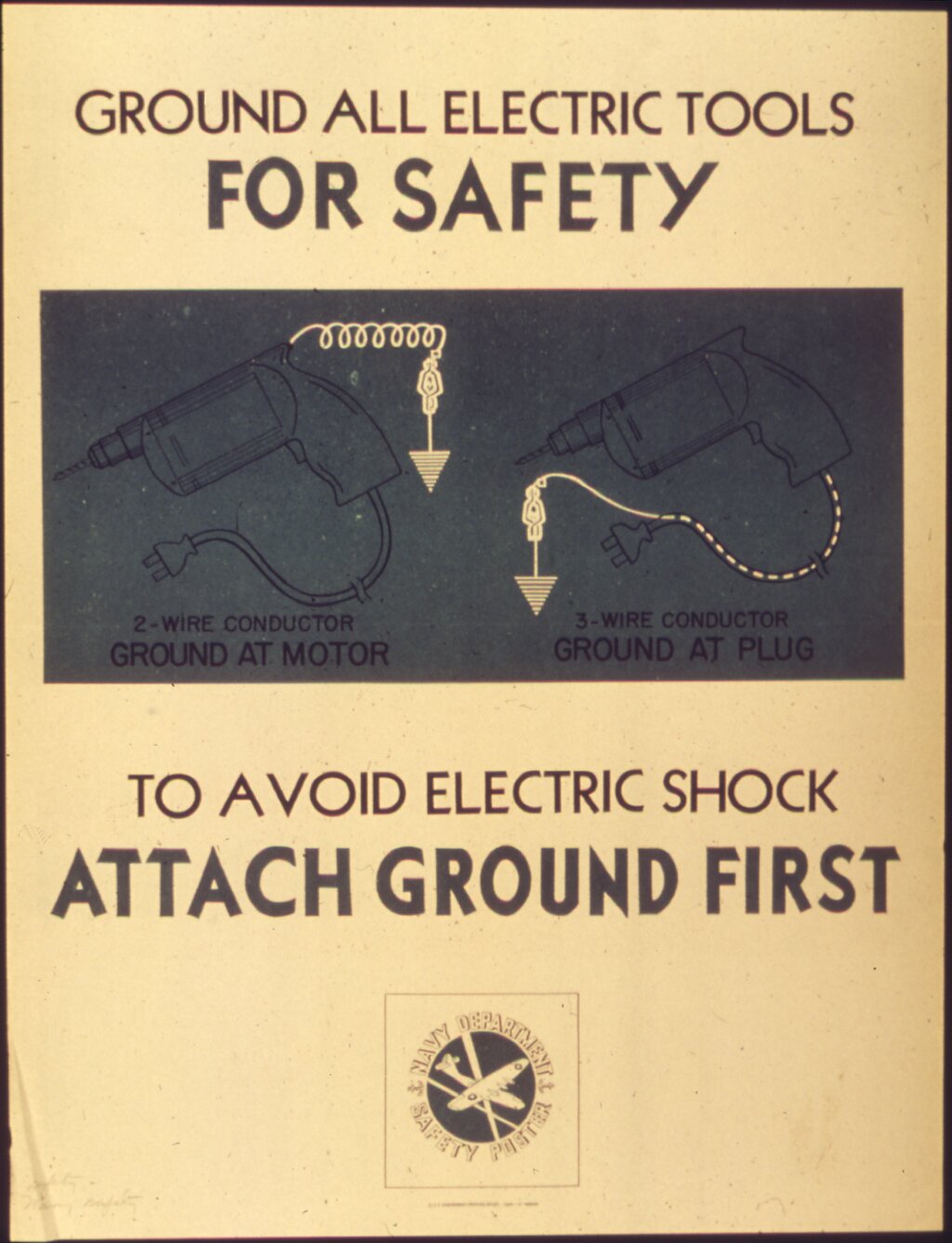
That’s why modern electrical systems use three-prong outlets. The third, rounded pin is the ground connection. It's a simple but critical safety feature that protects both you and your equipment.
Circuit Protection
Your home's electrical panel is the central hub of its wiring, but it’s also the first line of defense against electrical hazards. Inside, you'll find circuit breakers, which act as automated safety switches.
Each circuit breaker is designed to handle a specific amount of electrical current. If the current exceeds that safe level, the breaker trips, automatically cutting off power to that circuit. This prevents the wiring from overheating, which could melt the insulation and start a fire.
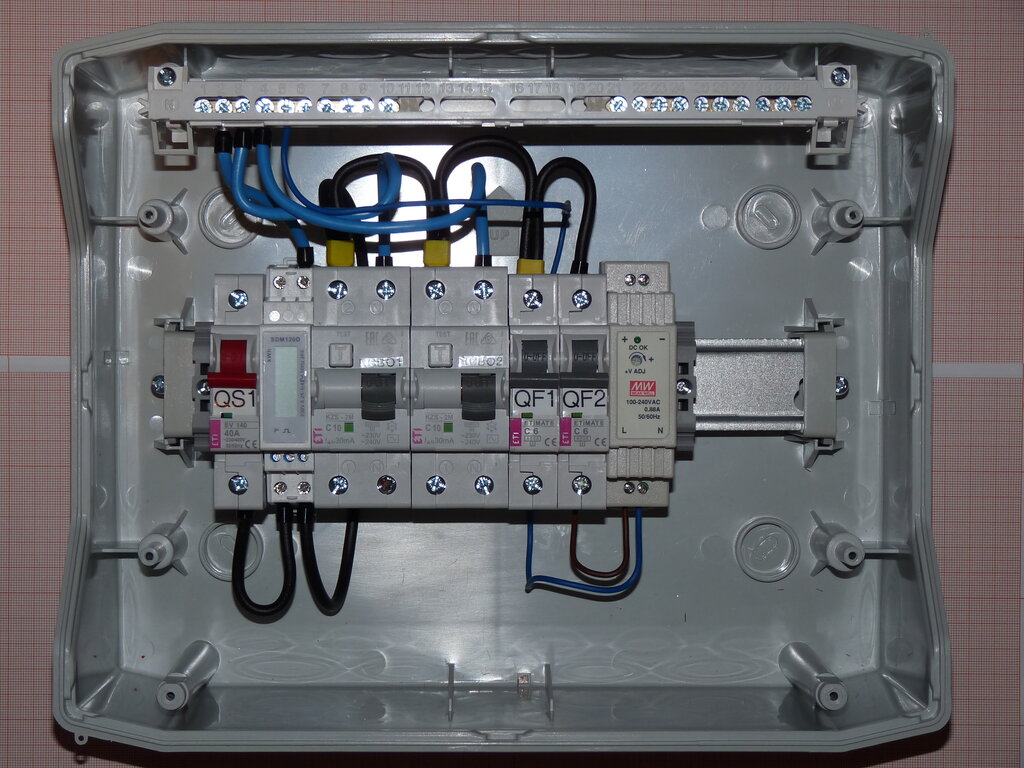
A breaker usually trips for one of two reasons:
- Overload: This happens when you plug too many devices into a single circuit, drawing more power than the circuit is designed for.
- Short Circuit: This is a more serious fault where a hot wire touches a neutral or ground wire, creating a sudden, massive surge of current.
Protection in Wet Areas
Standard circuit breakers are great for protecting wiring, but some situations require a more sensitive form of protection for people. That's where the Ground Fault Circuit Interrupter (GFCI) comes in.
A GFCI is a special type of outlet or breaker that constantly monitors the flow of electricity in a circuit. It measures the current going out through the hot wire and returning through the neutral wire. These amounts should be exactly equal. If even a tiny amount of current finds another path—like through a person who has come into contact with water and an electrical device—the GFCI senses this imbalance (a ground fault) and shuts off the power in a fraction of a second. This is much faster than a standard circuit breaker and can prevent a serious electrical shock.
The NEC requires GFCI protection in locations where electricity and water are likely to meet, such as bathrooms, kitchens, laundry rooms, garages, and outdoor areas.
What is the primary purpose of the National Electrical Code (NEC)?
In a properly grounded electrical system, what happens immediately after a live wire accidentally touches the metal casing of an appliance?
Understanding these core safety principles—the NEC, grounding, circuit breakers, and GFCIs—is the foundation for working with electricity safely.