Residential Electrical Rewiring Essentials
Electrical Safety Basics
Before You Touch a Wire
Working with electricity isn't like other home improvement projects. A mistake with paint leaves a smudge; a mistake with a wire can be deadly. The two biggest dangers are electrical shock, which can stop your heart, and fire, which can start inside your walls from a single bad connection.
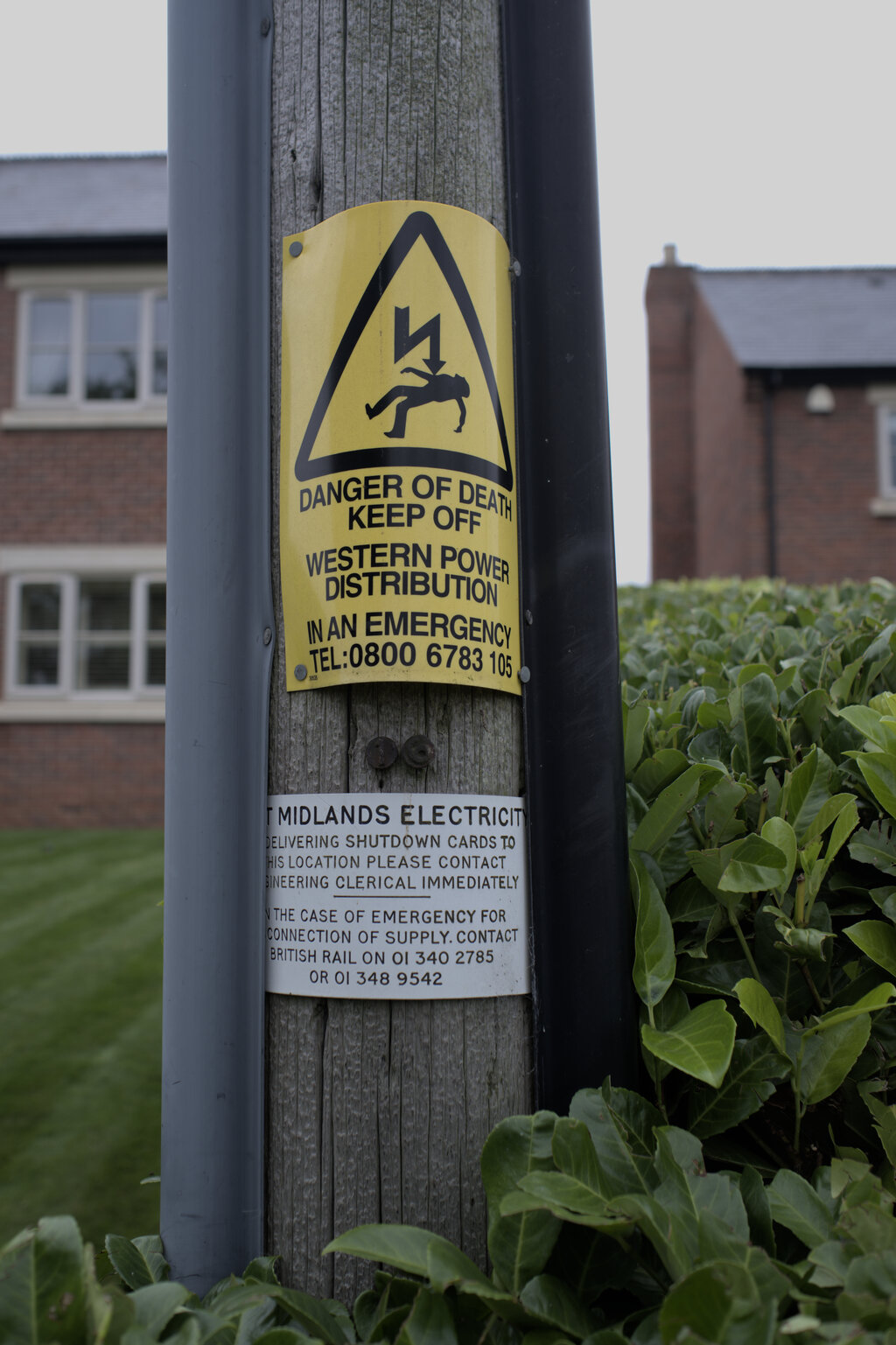
Respecting this power means taking simple, non-negotiable precautions. Your safety, and the safety of everyone in your home, depends on it. Before you even think about stripping a wire or opening an outlet, you need to make the entire circuit dead.
Shut It Down
The very first step of any electrical project is to turn off the power. Don't just flip a light switch; you need to go to your home's main electrical panel, often called a breaker box. This panel is the hub of your home's electrical system.
Inside, you'll find a series of smaller circuit breakers, each controlling a different part of your house. You'll also see one large breaker at the top or bottom. This is the main breaker. Flipping it cuts off all electricity to your entire home. For any rewiring project, this is the switch you need to turn off.
After shutting off the main breaker, use a voltage tester to confirm that the circuit you plan to work on is actually dead. Touch the tester's probes to the wires in the outlet or switch. If it doesn't light up or beep, you're good to go. Always test before you touch.
Test, then trust. A voltage tester is the only way to be 100% sure the power is off.
Gear Up for Safety
Even with the power off, it's smart to use Personal Protective Equipment (PPE). This is your last line of defense against unexpected hazards. Debris can fall, sharp edges can cut, and it's always best to build safe habits.
| Gear | Why You Need It |
|---|---|
| Safety Glasses | Protects your eyes from dust, debris, and sparks. |
| Insulated Gloves | Offers protection in the rare case a wire is still live. |
| Sturdy, Rubber-Soled Shoes | Provides a barrier against grounding and helps prevent slips. |
Know the Rules
Electrical work is governed by a set of rules called electrical codes. In the U.S., most local codes are based on the National Electrical Code (NEC). These codes aren't just suggestions; they are legally enforceable standards designed to ensure electrical systems are safe and reliable.
Before you start a project, you must check your local building department's requirements. Many rewiring jobs require a permit. A permit ensures that the work is inspected by a professional who can verify it's done correctly. Skipping this step can create serious fire hazards and may cause problems when you try to sell your home.
Red flags requiring professional help include:
Electrical panel work beyond bulb changes
Structural wall modifications
Gas line interventions
Ready to check your understanding of these critical safety rules?
What is the absolute first step you should take before beginning any home electrical project?
After you flip the main breaker to the 'off' position, what is the next essential safety action?
Understanding these basics is the foundation for any electrical work you do. Always prioritize safety.