Residential Electrical Installation Basics
Electrical Safety Basics
The First Rule of Electrical Work
Before you touch a single wire, your first and most important job is to kill the power. Think of it like plumbing: you wouldn't try to fix a leaky faucet without turning off the water first. The same ironclad rule applies to electricity. Working on a live circuit is incredibly dangerous and can lead to severe injury or even death.
Your home's electrical system has a main control center: the breaker panel, sometimes called a fuse box in older homes. This is usually a gray metal box located in a utility room, basement, garage, or closet. Inside, you'll find a series of switches. Each switch, or breaker, controls the flow of electricity to a specific part of your house.
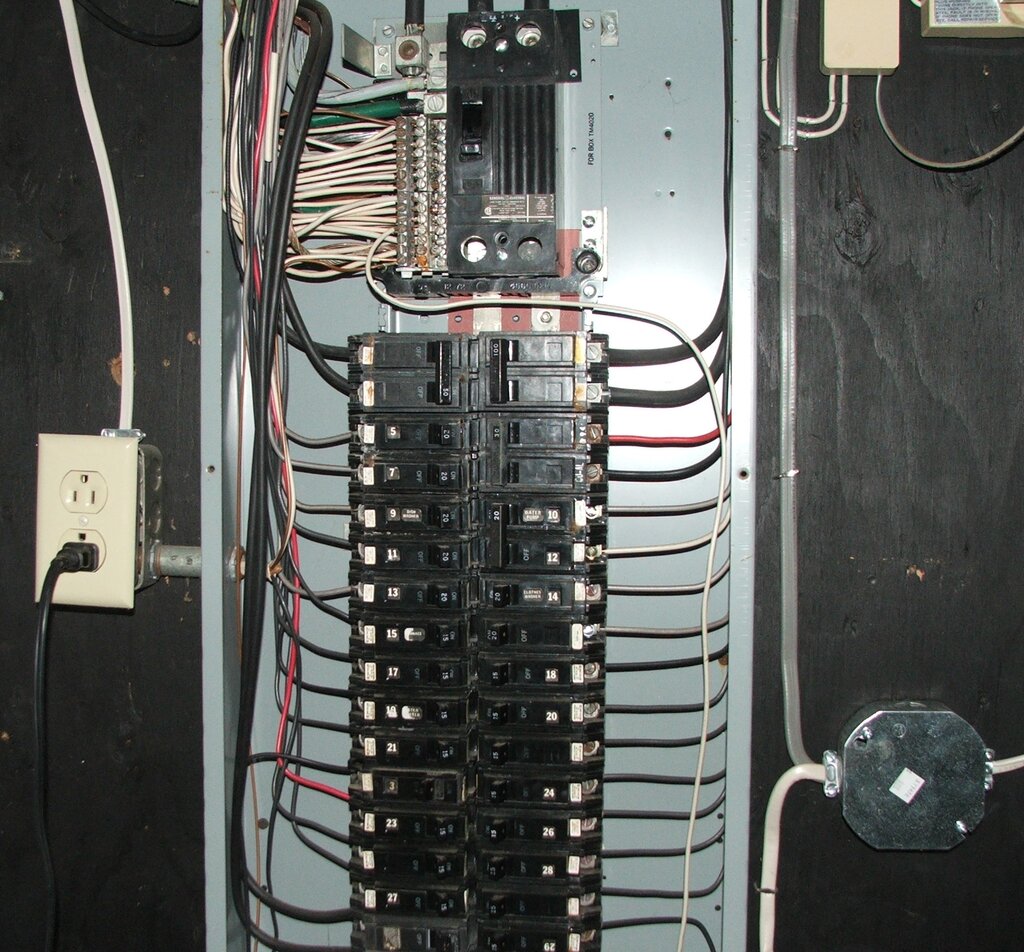
To turn off the power to the area you're working on, you flip the corresponding breaker to the "OFF" position. If you're unsure which breaker it is, it's always safest to turn off the main breaker, which cuts power to the entire house. It’s usually the largest switch at the top of the panel.
Turn off the power: Before working on any electrical circuit or device, make sure to turn off the power at the main breaker panel.
Even after flipping the breaker, always double-check that the circuit is dead. Use a voltage tester to confirm there is no current flowing to the wires or outlet you plan to work on. Trusting the breaker alone isn't enough; always verify.
Gear Up for Safety
Once the power is off, the next step is to protect yourself with the right gear. Personal Protective Equipment, or PPE, is your physical barrier against any unforeseen electrical hazards.
Proper PPE isn't optional. It’s a crucial layer of defense against shocks, sparks, and debris.
For basic home electrical work, your essential PPE includes:
-
Insulated Gloves: These aren't your everyday gardening gloves. Look for gloves specifically rated for electrical work. They are made of rubber or other non-conductive materials to protect your hands from any residual charge or accidental contact with a live circuit.
-
Safety Goggles: Your eyes are vulnerable to sparks, flying debris from drilling or cutting, and dust. Always wear a pair of snug-fitting safety goggles to keep them protected.
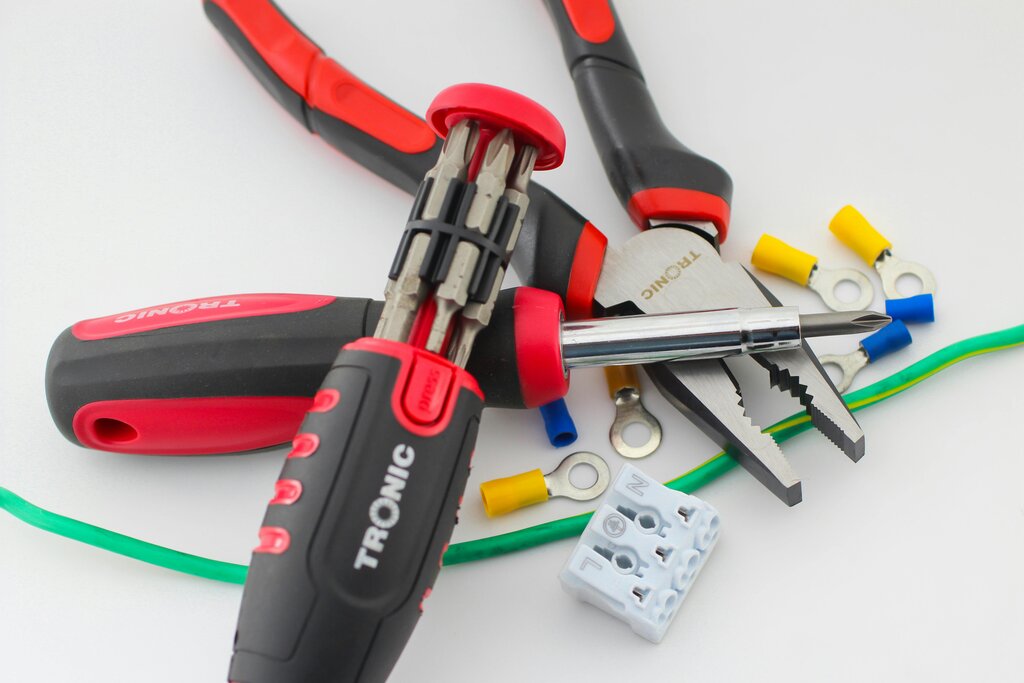
Working with the right tools is also part of your safety gear. Use tools with insulated handles, such as screwdrivers and pliers, which provide an extra layer of protection.
Know the Risks
Understanding what can go wrong helps you prevent it. The primary dangers of electrical work are electric shock and fire. A shock occurs when an electrical current passes through your body, which can cause anything from a minor jolt to a fatal injury.
Electrical fires often start from faulty wiring, overloaded circuits, or short circuits. A short circuit happens when a hot wire touches a neutral or ground wire, creating a path of low resistance and a sudden surge of current. This surge can generate intense heat, igniting nearby materials like wood, insulation, or drywall.
Never become complacent. Electricity is powerful and unforgiving, so treat every wire as if it were live until you have proven otherwise.
Follow the Rules
Finally, all electrical work must comply with local building codes and regulations. These rules aren't just bureaucratic red tape; they are designed to ensure that electrical systems are installed safely and function correctly. These codes specify requirements for wiring methods, materials, and the types of devices that can be used in different situations.
Before starting a project, check with your local building department. Some tasks may require a permit, and some may even require the work to be done by a licensed electrician. Ignoring these regulations can create serious safety hazards, and you could be forced to tear out the work if it’s not up to code. It could also void your homeowner's insurance.
Familiarize yourself with relevant electrical codes and standards such as the National Electrical Code (NEC).
Let's check your understanding of these fundamental safety concepts.
What is the absolute first and most important step to take before beginning any electrical work?
After you have flipped the correct breaker to the "OFF" position, what is the essential next step?
Mastering these safety basics is the first step toward working with electricity confidently and responsibly. Always prioritize safety above all else.