Reptile Diversity and Ecology
Introduction to Reptiles
The Scaly Crew
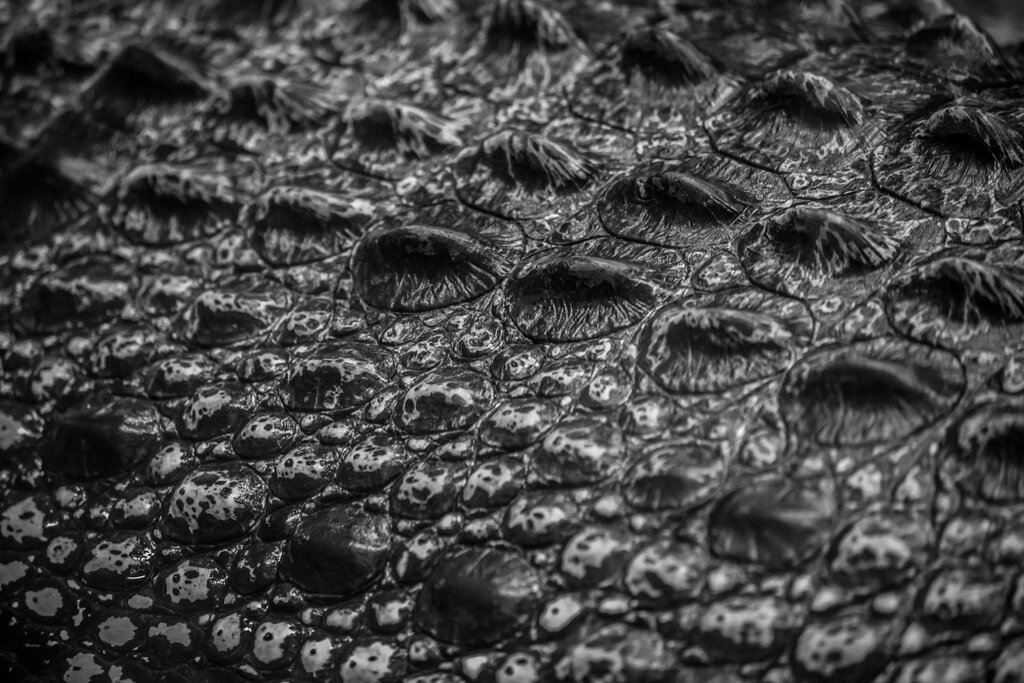
Reptiles are a class of vertebrates that have mastered life on land. Unlike amphibians, who need to keep their skin moist, reptiles are covered in a tough, waterproof layer of scales. This adaptation allows them to thrive in diverse environments, from scorching deserts to dense rainforests.
Reptile
noun
An air-breathing vertebrate animal distinguished by having a body covered with scales or bony plates. They typically lay soft-shelled eggs on land.
This scaly skin is one of their defining features. It’s made of keratin, the same protein found in our hair and nails. It protects them from predators and, crucially, prevents water loss, which is essential for a terrestrial lifestyle.
Powered by the Sun
Have you ever seen a lizard basking on a rock? It’s not just relaxing. The lizard is absorbing heat from the sun to warm up its body. This is because reptiles are ectothermic, often called "cold-blooded."
This term can be a bit misleading. Their blood isn't necessarily cold, but they rely on external sources like the sun to regulate their body temperature. This is different from mammals and birds, which generate their own heat internally. An ectothermic metabolism is very energy-efficient. Since they don't burn fuel to stay warm, reptiles can survive on much less food than a mammal of the same size.
Ectotherm
noun
An animal that is dependent on external sources of body heat.
All reptiles, whether they live on land or in water, breathe air using lungs. Aquatic reptiles like sea turtles and crocodiles must surface to breathe, just like marine mammals.
An Ancient and Diverse Group
The reptile family is incredibly varied. It includes everything from tiny geckos to giant saltwater crocodiles. They come in all shapes and sizes, but they all share those core reptilian traits. The major groups of living reptiles today are turtles, crocodilians, snakes, lizards, and the tuatara, a unique species found only in New Zealand.
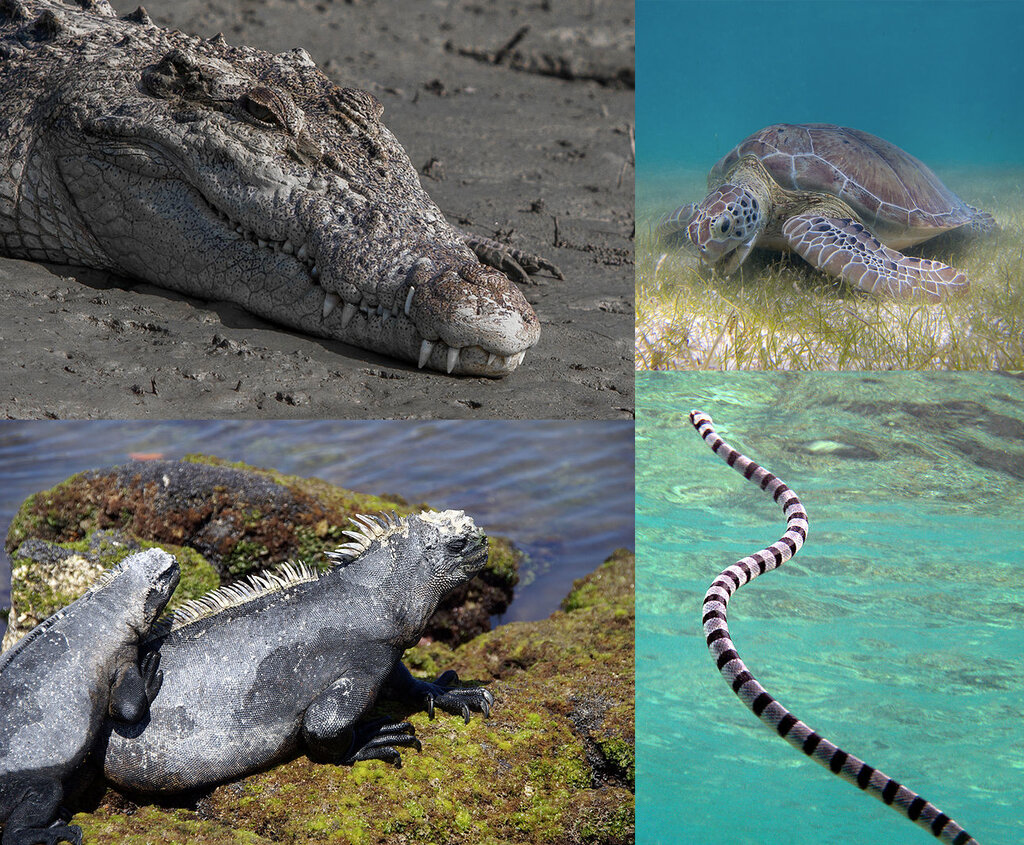
This diversity is the result of a long evolutionary history. Reptiles were the first vertebrates to become truly adapted to life on land, and their descendants have been evolving for hundreds of millions of years, leading to the wide array of species we see today.
Ready to check your understanding of what makes a reptile a reptile?