Reproductive Health and Its Societal Impact
Introduction to Reproductive Health
What is Reproductive Health?
Reproductive health is a state of complete physical, mental, and social well-being in all matters relating to the reproductive system. It's more than just the absence of disease; it means people can have a satisfying and safe sex life, the capability to reproduce, and the freedom to decide if, when, and how often to do so. Understanding your own body is the first step toward taking charge of your health.
Maintaining a healthy reproductive system goes hand in hand with overall health.
Let's explore the fundamental anatomy and physiology that make up the human reproductive systems.
Anatomy and Function
The male and female reproductive systems are distinct yet designed to work together. Each has unique organs responsible for producing sex cells and hormones.
The Female Reproductive System
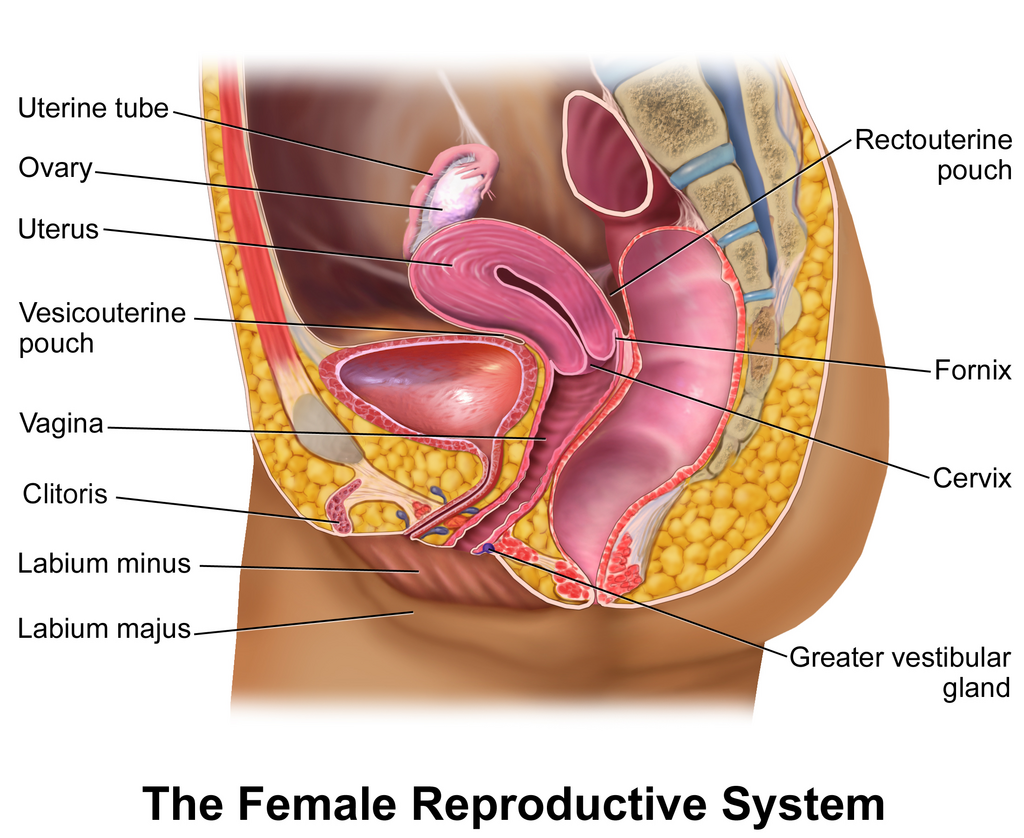
The internal organs of the female reproductive system include the ovaries, fallopian tubes, uterus, and vagina.
- Ovaries: Two small, oval-shaped glands that produce eggs (ova) and hormones, primarily estrogen and progesterone.
- Fallopian tubes: These tubes serve as pathways for the egg to travel from the ovary to the uterus. Fertilization usually happens here.
- Uterus: A hollow, pear-shaped organ where a fertilized egg implants and a fetus develops during pregnancy. Its muscular walls contract during childbirth.
- Cervix: The lower, narrow part of the uterus that opens into the vagina.
- Vagina: A muscular tube connecting the cervix to the outside of the body. It receives sperm during intercourse and serves as the birth canal.
The Male Reproductive System
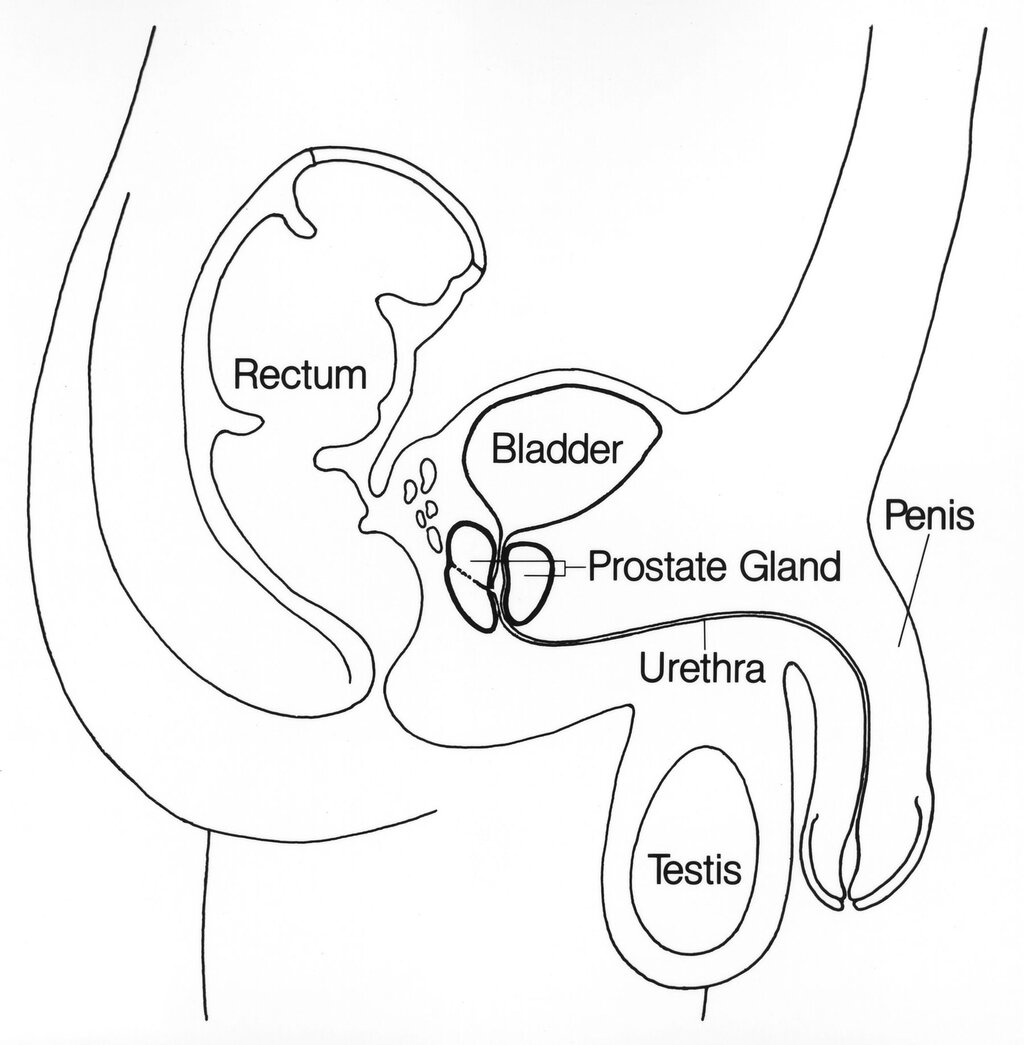
The male system is designed to produce, maintain, and transport sperm.
- Testes (or testicles): Two small organs that produce sperm and the primary male hormone, testosterone. They are held in a pouch of skin called the scrotum, which helps regulate their temperature.
- Epididymis: A long, coiled tube resting on the back of each testicle that transports and stores sperm cells.
- Vas deferens: A long, muscular tube that travels from the epididymis into the pelvic cavity, transporting mature sperm to the urethra.
- Prostate gland and seminal vesicles: These glands produce fluids that mix with sperm to create semen. This fluid nourishes the sperm and helps it move.
- Urethra: The tube that carries both urine and semen out of the body through the penis.
Common Health Concerns
Various issues can affect the reproductive system. Being aware of them is key to early detection and treatment.
For females, common concerns include menstrual irregularities, which can range from heavy bleeding to absent periods. Conditions like Polycystic Ovary Syndrome (PCOS) involve hormonal imbalances and cysts on the ovaries, while endometriosis is a painful disorder where uterine-like tissue grows outside the uterus. Infections, such as urinary tract infections (UTIs) and yeast infections, are also prevalent.
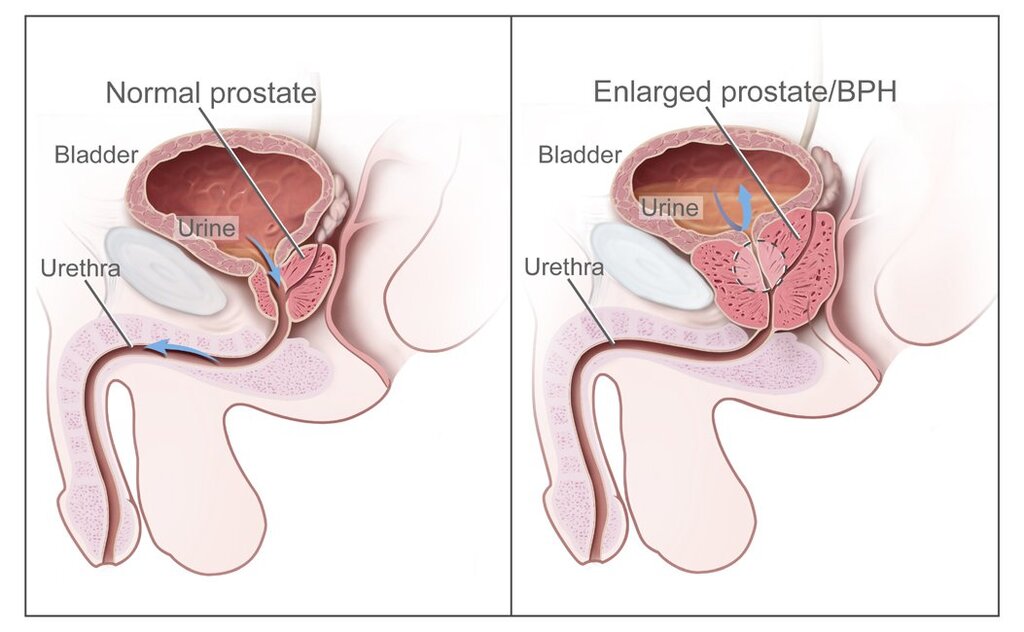
For males, one common issue, especially with age, is Benign Prostatic Hyperplasia (BPH), or an enlarged prostate. This can cause uncomfortable urinary symptoms. Prostatitis, an inflammation of the prostate gland, can cause pain and difficulty urinating. Erectile dysfunction, the inability to get or keep an erection firm enough for sex, is another concern that can stem from physical or psychological issues.
Reproductive Hygiene
Good hygiene is fundamental to reproductive health. It helps prevent infections, reduces odor, and promotes overall comfort and well-being. Simple practices can make a significant difference.
This includes daily washing of the external genitals with mild soap and water, wearing clean, breathable underwear (like cotton), and changing out of wet or sweaty clothes promptly. For females during menstruation, it's important to change pads, tampons, or menstrual cups regularly to prevent infections like Toxic Shock Syndrome.
Practicing good hygiene isn't just about cleanliness; it's a form of self-care that protects your body and supports its healthy function.
Simple, daily habits are the foundation of long-term reproductive health.
Time to review what we've covered.
In which part of the female reproductive system does fertilization typically occur?
What are the two primary functions of the testes?
Understanding your reproductive system is a lifelong journey. By learning about its anatomy, staying aware of potential health issues, and practicing good hygiene, you empower yourself to live a healthier life.