Reproductive Health and Family Planning
Introduction to Reproductive Health
More Than Just Biology
Reproductive health is a state of complete physical, mental, and social well-being in all matters relating to the reproductive system. It’s not just about avoiding disease or pregnancy. It’s about people having the ability to have a satisfying and safe sex life, the capability to reproduce, and the freedom to decide if, when, and how often to do so.
This means people need access to accurate information and a range of safe, effective, and affordable methods of their choice. It also includes the right to appropriate health care services that enable women to go safely through pregnancy and childbirth.
The Key Components
Reproductive health is a broad concept with several core pieces. Understanding them helps see the full picture.
Family Planning: This involves providing information, counseling, and services that allow individuals and couples to decide the number, spacing, and timing of their children. It's about making informed choices.
Maternal and Child Health: This focuses on ensuring the health of mothers and babies before, during, and after birth. It includes prenatal care, safe delivery services, and postnatal care to reduce maternal and infant mortality.
Preventing and Managing STIs: This component includes education on sexually transmitted infections (STIs), including HIV/AIDS, as well as access to prevention, testing, and treatment services.
A Global Priority
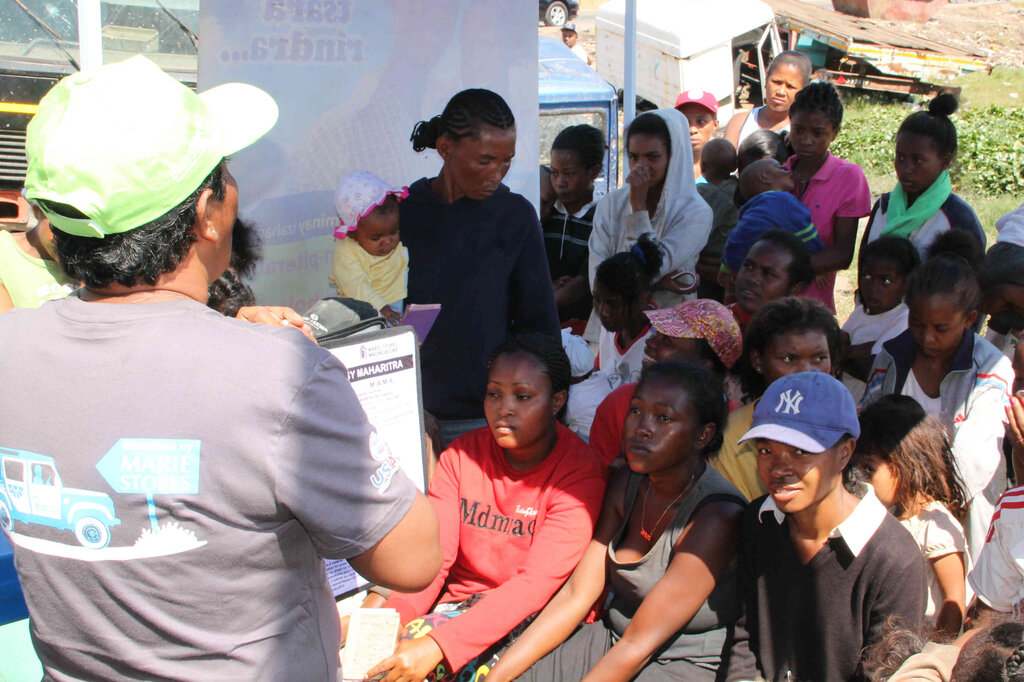
Why does reproductive health matter on a global scale? Because it's deeply connected to broader development goals. When people have control over their reproductive lives, it creates a ripple effect across society.
It is a cornerstone of the United Nations' Sustainable Development Goals (SDGs). Specifically, it is central to SDG 3 (Good Health and Well-being) and SDG 5 (Gender Equality). When women and girls can make their own decisions about their bodies and futures, they are more likely to stay in school, participate in the workforce, and contribute to economic development. Healthy families build strong communities and nations.
The Global Burden
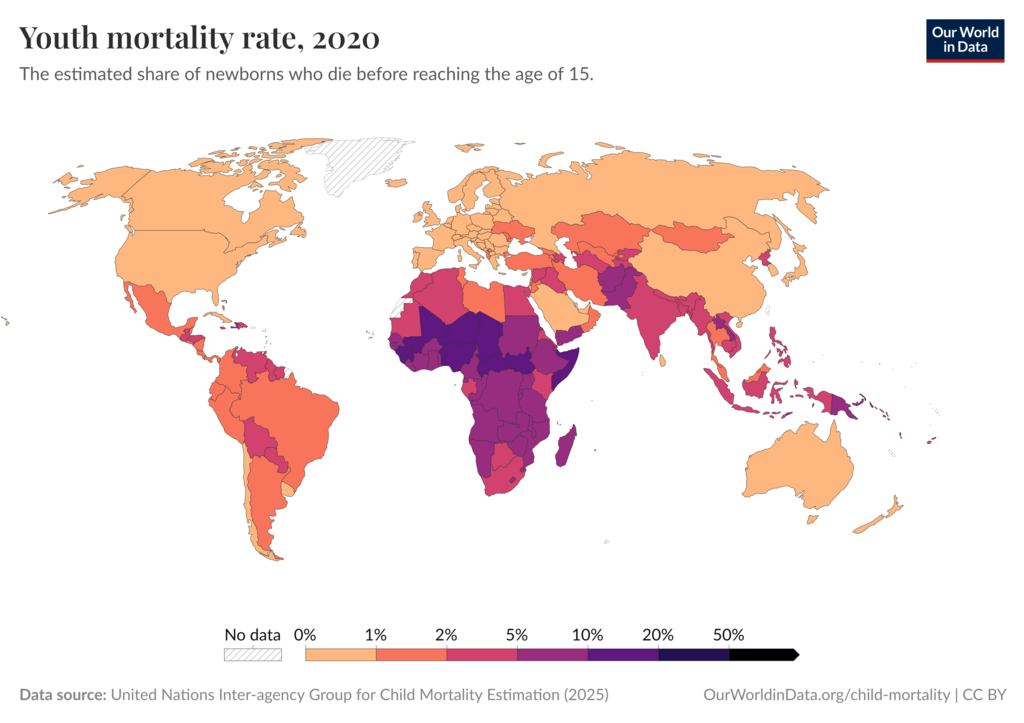
Despite its importance, poor reproductive health remains a significant challenge worldwide. Hundreds of millions of women who want to avoid pregnancy are not using modern contraceptive methods. Each year, millions of women experience unintended pregnancies, and many face life-threatening complications during pregnancy and childbirth.
These issues disproportionately affect people in low-resource settings, where access to quality health services is limited. The lack of access to comprehensive care perpetuates cycles of poverty and inequality.
To address these challenges, the goal is to provide comprehensive reproductive health services. This means integrating a full range of services, from counseling and information to a variety of family planning options and maternal care. It's about creating a system where people can get the care they need, when they need it, in a way that respects their rights and choices.
Sexual health requires a positive and respectful approach to sexuality and sexual relationships, as well as the possibility of having pleasurable and safe sexual experiences, free of coercion, discrimination and violence.
Let's check your understanding of these fundamental concepts.
According to the provided definition, what does reproductive health encompass?
Which of the following best describes the primary goal of 'Family Planning' services?
Reproductive health is a fundamental part of overall health and a key driver for sustainable development and gender equality worldwide.