Reproduction Education in Mauritania
Introduction to Human Reproduction
The Male Reproductive System
The primary role of the male reproductive system is to produce and deliver sperm. This system includes both external and internal organs that work together to achieve this goal.
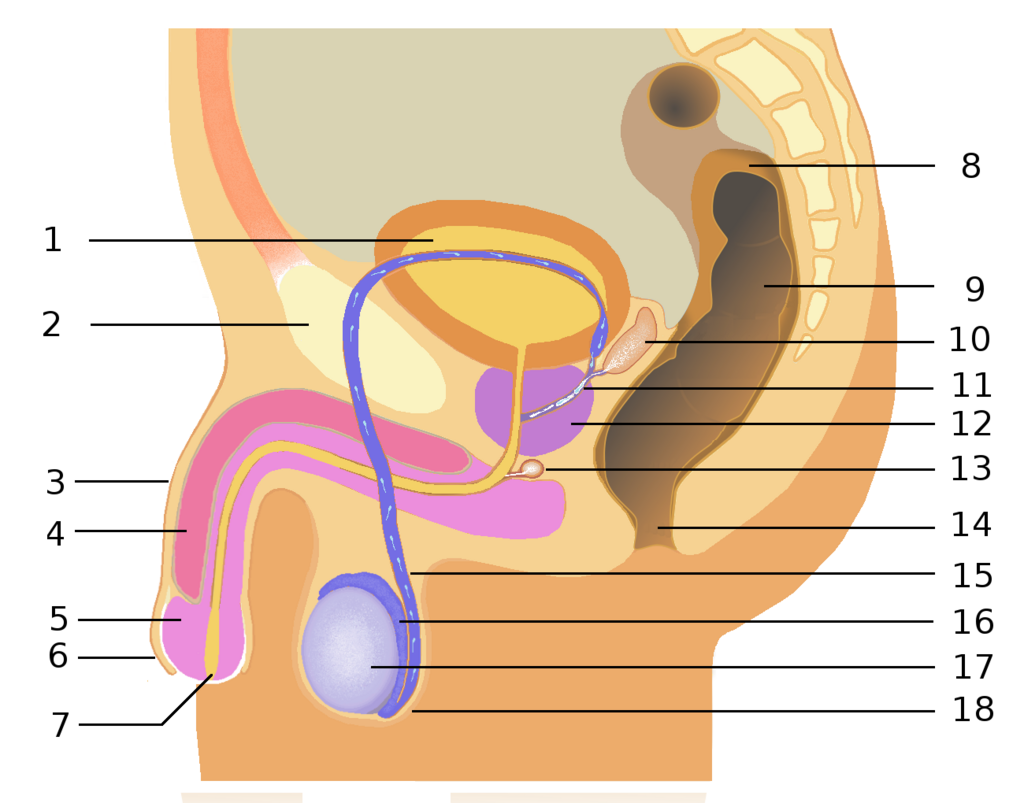
The testes are the two main glands, responsible for producing sperm and the hormone testosterone. After being produced, sperm travel to the epididymis, a long, coiled tube where they mature and are stored.
From the epididymis, sperm move through the vas deferens. Along the way, fluids are added by the seminal vesicles and the prostate gland. This mixture of sperm and fluid is called semen. The final journey is through the urethra, which runs through the penis and expels the semen from the body.
The Female Reproductive System
The female reproductive system has several complex roles. It produces eggs, provides a place for fertilization to occur, nurtures a developing fetus for nine months, and facilitates childbirth.
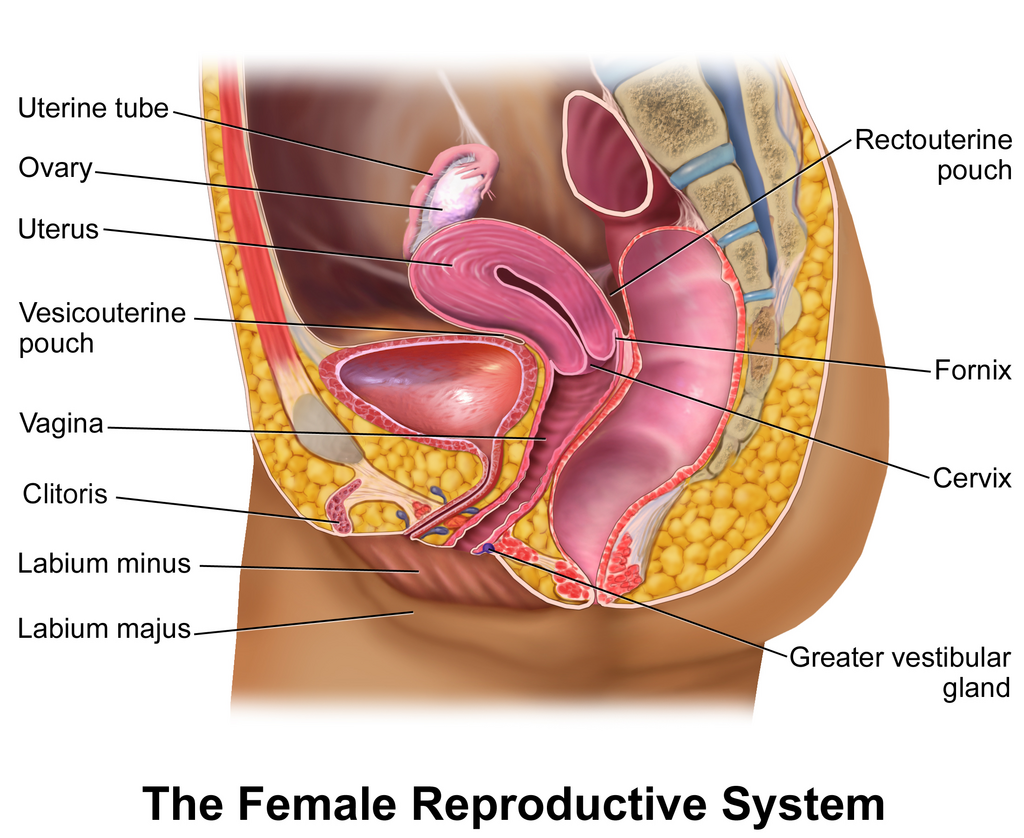
The ovaries are the female gonads. They produce eggs (ova) and key hormones like estrogen and progesterone. Each month, an egg is released from an ovary and travels into a fallopian tube. This is where fertilization by a sperm cell typically happens.
The uterus is a muscular organ where a fertilized egg implants and grows into a fetus. It's designed to expand significantly during pregnancy. The lower part of the uterus is the cervix, which connects to the vagina. The vagina serves as the path for receiving sperm and as the birth canal.
Making Gametes
Reproduction begins with specialized cells called gametes. In males, the gamete is sperm; in females, it's the egg or ovum. These cells are unique because they are haploid, meaning they contain only half the number of chromosomes as other body cells. When a sperm and egg combine during fertilization, they form a zygote with a full set of chromosomes, creating a new individual.
gamete
noun
A mature haploid male or female germ cell which is able to unite with another of the opposite sex in sexual reproduction to form a zygote.
The process of creating sperm is called spermatogenesis. It occurs continuously inside the testes from puberty onward. This process is highly efficient, producing millions of sperm each day to ensure a constant supply.
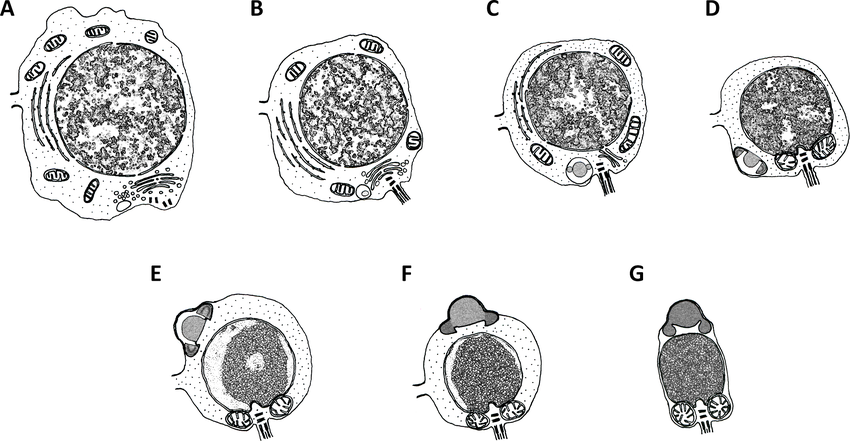
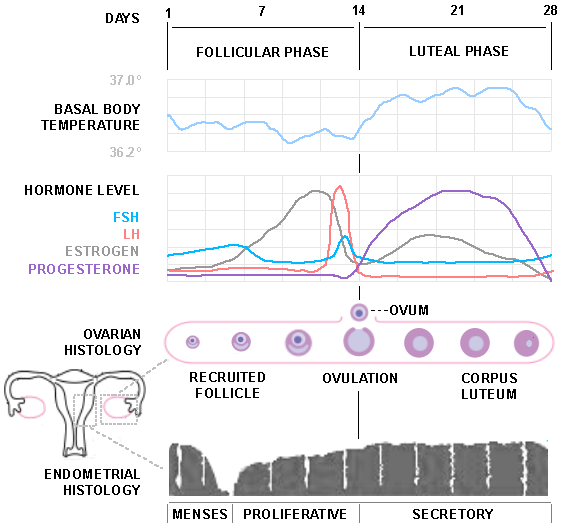
Oogenesis, the creation of eggs, is quite different. A female is born with all the egg cells she will ever have, stored in her ovaries in an immature state. Starting at puberty, a hormonal cycle begins, causing one of these eggs to mature and be released from an ovary approximately every month. This monthly release is called ovulation.
Hormonal Control
The entire reproductive process is directed by hormones. These chemical messengers travel through the bloodstream and regulate the functions of the reproductive organs. The control center is in the brain, specifically the hypothalamus and the pituitary gland.
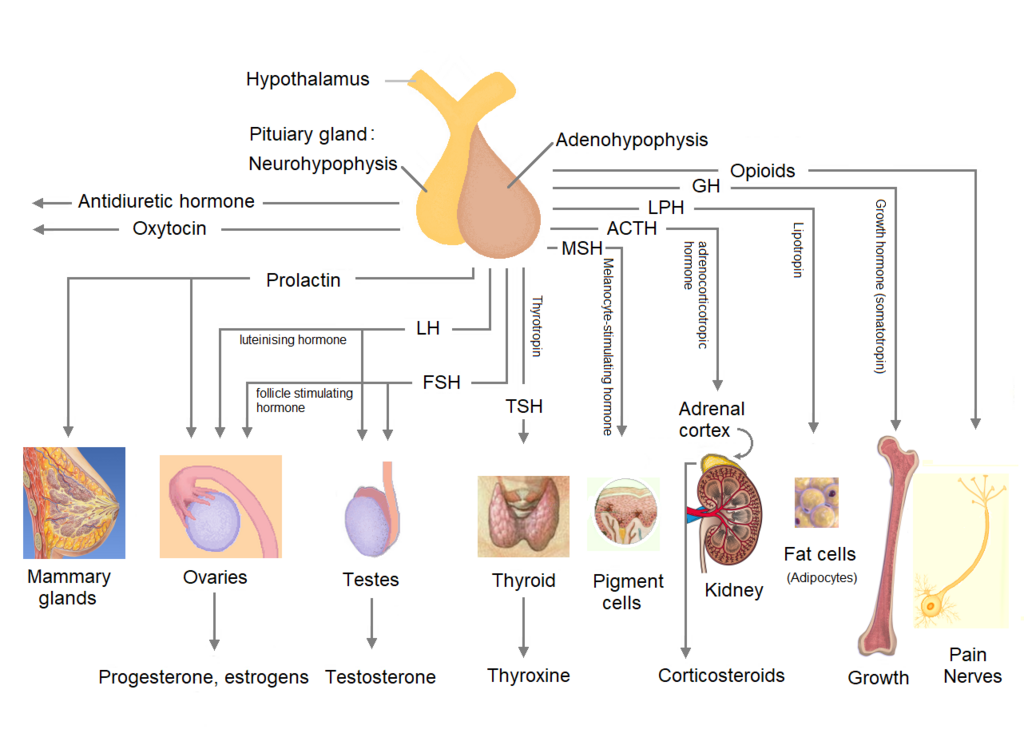
The hypothalamus releases Gonadotropin-releasing hormone (GnRH). This signals the pituitary gland to release two other crucial hormones: Luteinizing Hormone (LH) and Follicle-Stimulating Hormone (FSH).
In males, FSH stimulates sperm production in the testes, while LH triggers the production of testosterone. Testosterone is vital for sperm development and the emergence of male secondary sexual characteristics.
In females, FSH and LH levels fluctuate throughout the menstrual cycle. FSH helps an egg-containing follicle to mature in the ovary. A sharp spike in LH, known as the LH surge, triggers ovulation. These hormones also regulate the production of estrogen and progesterone, which prepare the uterus for a potential pregnancy and control the menstrual cycle.
Now let's test your understanding of these fundamental concepts.
What are the two primary functions of the testes?
In which part of the female reproductive system does fertilization typically occur?