Representation Learning for NLP
Introduction to NLP
Teaching Computers to Talk
Natural Language Processing, or NLP, is a field of artificial intelligence that gives computers the ability to understand, interpret, and generate human language. Think of it as teaching a machine to read, listen, and write just like a person. It's the bridge between how we communicate naturally and how computers process information in a structured way.
The goal is to make human-computer interaction feel seamless. Instead of typing rigid commands, you can ask your phone a question in plain English. NLP is what allows the machine to parse your sentence, figure out what you mean, and provide a helpful response.
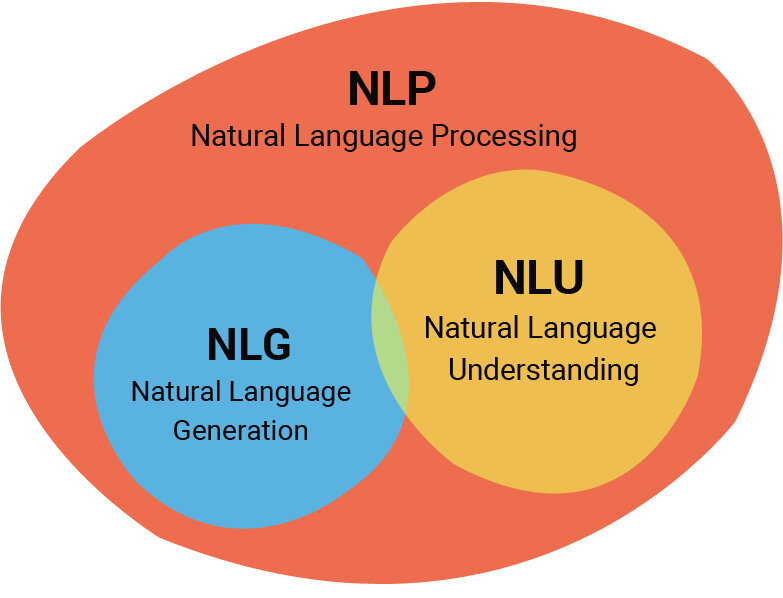
This field isn't just one single thing. It's an umbrella term for a variety of tasks. Some systems focus on understanding the meaning behind words (Natural Language Understanding or NLU). Others focus on creating human-like text from scratch (Natural Language Generation or NLG). NLP covers both of these areas and everything in between.
From Rules to Statistics
The dream of getting computers to understand language is almost as old as computers themselves. Early efforts in the 1950s focused on machine translation, largely driven by the Cold War need to translate between Russian and English. These first systems were based on complex, hand-written rules. Linguists would try to map out all the grammatical rules of one language and connect them to another. It was a painstaking process.
Imagine trying to write a rulebook for every possible way to structure a sentence. It quickly became clear that this approach was too brittle. Language is messy, full of exceptions and nuances that rules struggle to capture.
A major shift happened in the late 1980s and 1990s with the rise of statistical methods. Instead of feeding computers grammatical rules, researchers started feeding them massive amounts of text. The computer could then learn patterns, probabilities, and relationships between words on its own. This approach proved far more effective and flexible, laying the groundwork for the NLP we use today.
NLP in Your Daily Life
You probably use NLP every day without even realizing it. It's the engine behind many of the tools and apps we rely on.
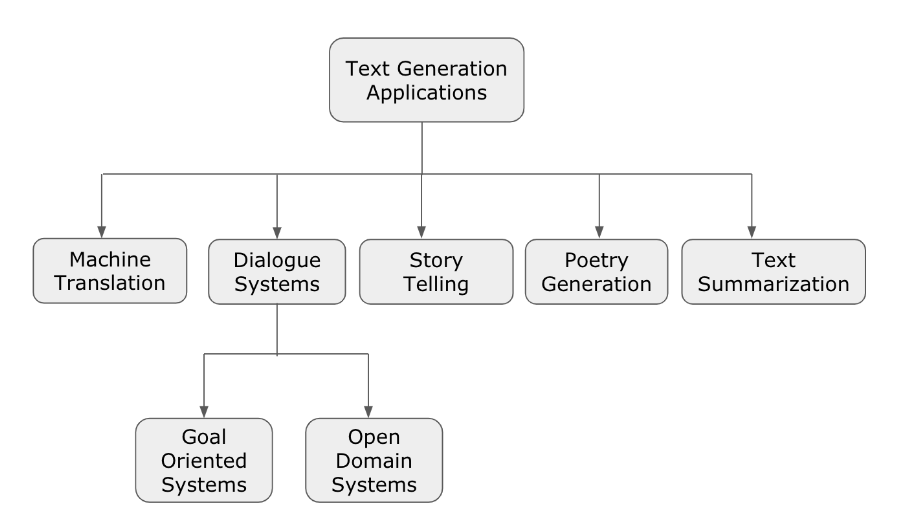
Some of the most common applications include:
- Machine Translation: Services like Google Translate use NLP to instantly convert text from one language to another.
- Sentiment Analysis: Companies analyze customer reviews or social media posts to gauge public opinion about their products. Is the feedback positive, negative, or neutral?
- Spam Filters: Your email service uses NLP to analyze incoming messages and decide if they're junk. It looks for telltale signs and patterns common in spam.
- Virtual Assistants: Siri, Alexa, and Google Assistant all rely on NLP to understand your spoken commands and questions.
- Text Summarization: NLP can read a long article or document and generate a short, concise summary of the key points.
The Hard Parts
If humans learn language so easily, why is it so hard for computers? The biggest reason is that human language is packed with ambiguity and relies heavily on context.
First, there's lexical ambiguity, where a word can have multiple meanings. Think of the word "bank." It could mean a financial institution or the side of a river. Without context, a computer has no way of knowing which one you mean. The sentence "The bank was flooded" helps clarify, but the machine has to be smart enough to make that connection.
Then there's syntactic ambiguity, where a sentence can be structured in multiple ways. A classic example is: "I saw a man on a hill with a telescope." Who has the telescope? Me, or the man on the hill? The sentence structure allows for both interpretations.
Beyond the literal meaning of words, NLP must also grapple with things like sarcasm, irony, idioms, and cultural references. These require a deep understanding of the world that is very difficult to program into a machine.
Understanding context is perhaps the greatest challenge. When we talk, we draw on a lifetime of experiences and shared knowledge. A computer starts from scratch. Teaching it to understand the subtle cues and unstated assumptions that guide our conversations is the central, ongoing challenge of Natural Language Processing.
Let's check your understanding of these core concepts.
What is the primary goal of Natural Language Processing (NLP)?
The sentence, "The old man the boats," is grammatically correct but difficult for humans and computers to parse. This is an example of what kind of challenge in NLP?