Replace 2010 Hyundai Santa Fe Flasher Relay
Hazard Flasher Relay Function
The Heartbeat of Your Hazard Lights
When your car is stopped on the shoulder of a busy road, you press a button, and suddenly all four of your turn signal lights begin to flash in unison. These are your hazard warning lights, a universal signal for other drivers to be careful. But what makes them flash? It's not magic, and it's not you pressing the button over and over. The work is done by a small but crucial component: the hazard flasher relay.
Think of the relay as a specialized automatic switch. Its only job is to open and close an electrical circuit at a steady rhythm. When you press the hazard button, you send power to this relay. The relay then starts its cycle: it connects the circuit, sending power to the lights and turning them on, then immediately disconnects it, turning them off. It repeats this process about once or twice per second, creating the familiar, attention-grabbing flash.
Relay
noun
An electrically operated switch. It uses a small electrical current to control a much larger current in a separate circuit.
In a vehicle like the 2010 Hyundai Santa Fe, this simple device is a key part of the safety system. Without the flasher relay, the hazard lights would either stay on continuously or not turn on at all. A steady light is much easier for the human eye to ignore than a blinking one. The flashing pattern is designed to break through the visual noise of traffic and alert other drivers to a potential danger ahead.
This system ensures that even when your vehicle is disabled, it can still actively communicate with other drivers on the road. It’s a vital safety feature for situations like changing a flat tire, waiting for a tow truck, or warning others of an obstacle in the road.
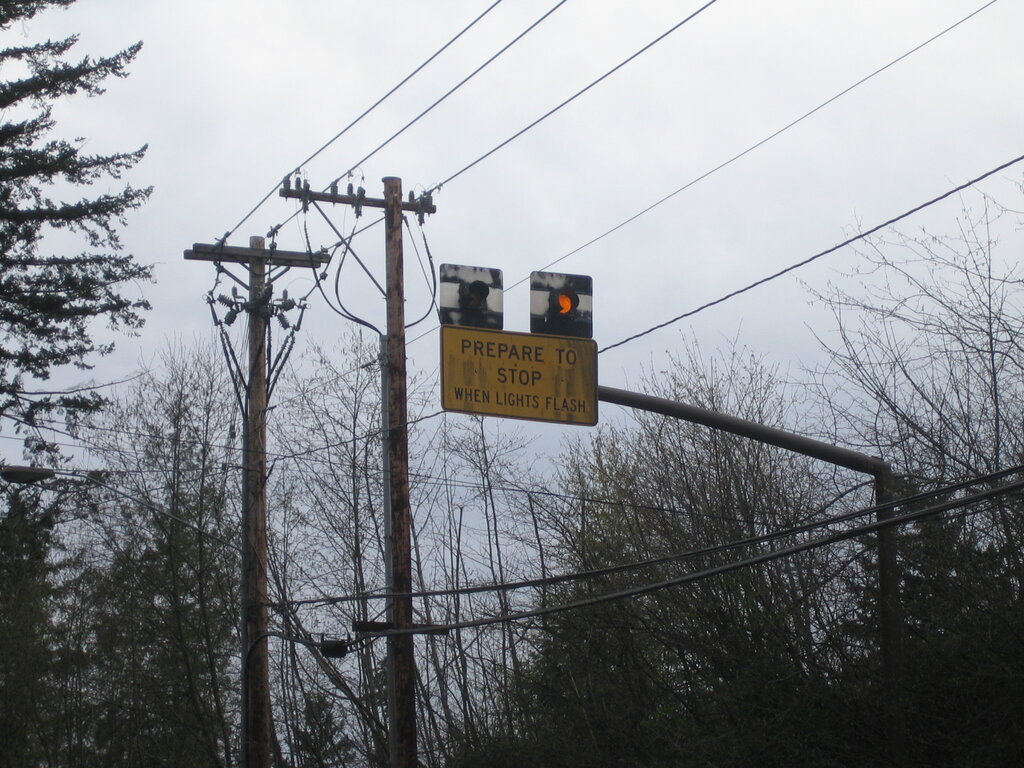
Why Flashing Matters
The importance of this system can't be overstated. A stationary vehicle, especially at night or in poor weather, is a major hazard. The flashing lights serve two purposes. First, they make your vehicle much more visible. Second, they signal a state of caution or distress that a simple solid light does not.
When other drivers see those flashing lights, they know to slow down, provide extra space, and be prepared for the unexpected. The hazard flasher relay is the component that makes this critical, non-verbal communication possible.
The relay's job is simple but essential: it turns a steady flow of electricity into a blinking warning signal.
Now that you understand the role of the hazard flasher relay, let's test your knowledge.
What is the primary function of a hazard flasher relay?
According to the text, what is the main reason flashing lights are used for hazards instead of steady lights?
Understanding how this small switch works is the first step in diagnosing any issues with your hazard lights and appreciating the simple engineering that keeps you safe.