Renovation Budgeting Secrets
Understanding Renovation Basics
The Renovation Roadmap
A successful renovation isn't just a flurry of demolition and construction. It’s a carefully orchestrated process with distinct phases. Thinking about your project in stages brings order to the chaos and turns a massive undertaking into a series of manageable steps. From the first idea to the final coat of paint, every part has its place.
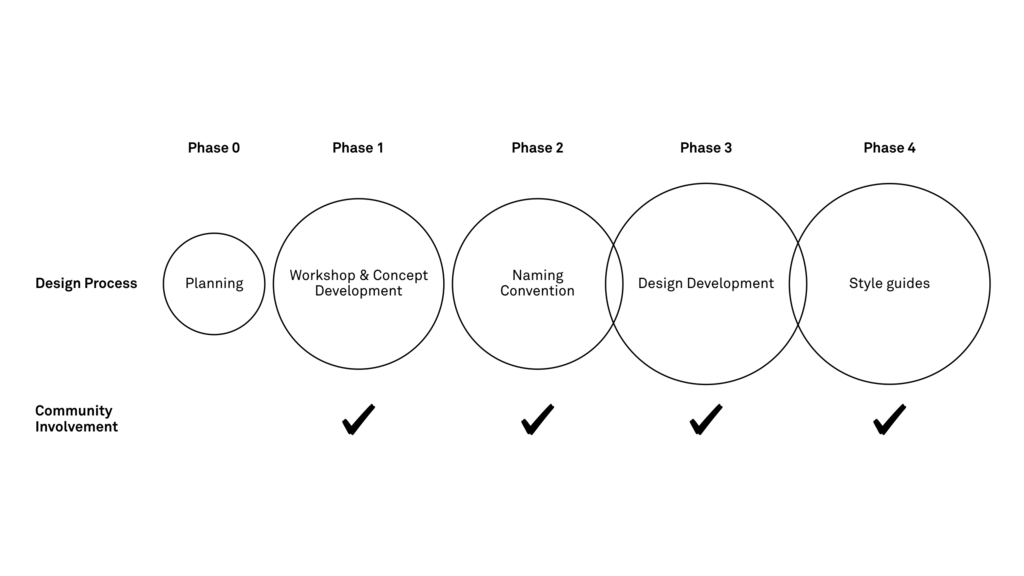
Most projects follow a similar path, whether you're redoing a small bathroom or tackling a whole-house remodel. Understanding this flow helps you know what to expect and when.
Assembling Your Team
Unless you’re a seasoned expert handling a small DIY project, you'll need a team of professionals. Each person plays a specific role in bringing your vision to life, and knowing who does what is key to a smooth process. They are the experts who translate your ideas into a physical reality.

The main players typically fall into a few key categories. Your general contractor is your project leader, while architects focus on the big picture and subcontractors handle specialized tasks.
| Role | Responsibility |
|---|---|
| Architect / Designer | Creates the vision and detailed plans for the space. They ensure the design is functional, safe, and meets building codes. |
| General Contractor (GC) | The project manager. Hires and coordinates all other workers, manages the schedule, and is your main point of contact. |
| Subcontractors | Specialists hired by the GC for specific jobs, such as plumbing, electrical work, tiling, and painting. |
Think of the General Contractor as the conductor of an orchestra. They make sure every specialist—from the plumber to the painter—plays their part at the right time.
Defining Your “Why”
Before you knock down a single wall, you need to set crystal-clear objectives. What problem are you trying to solve with this renovation? Answering this question honestly will guide every decision you make, from the floor plan to the faucet finish.
A vague goal leads to a vague plan, which often results in disappointment. Be specific about your needs and wants. This clarity is the foundation of a project that not only looks good but also functions perfectly for your lifestyle.
Renovation work functions best when treated as a coordinated system rather than a sequence of disconnected tasks, and the most efficient projects tend to begin with structured expectations that evolve into well-managed workflows between homeowners, contractors, and any specialist teams on the job.
For example, instead of saying, "I want a better kitchen," a clear objective would be, "I need to update my kitchen to include more counter space for cooking, seating for four at an island, and brighter, more functional lighting over the prep areas."
This level of detail helps you and your team stay focused on the end goal and measure success once the project is complete.
Looking Out for Hurdles
Even the best-laid plans can hit a snag. Renovations are complex, and it’s wise to anticipate potential challenges before they become full-blown crises. While you can't predict everything, being aware of common issues helps you prepare mentally and financially.
One of the biggest unknowns is what lies behind your walls. Old homes can hide surprises like outdated wiring, plumbing issues, or structural problems that need addressing before the cosmetic work can begin. Similarly, getting the right permits from your local municipality can sometimes take longer than expected, impacting your start date.
Material delays are another common hurdle. A specific tile you love might be backordered, or a custom-built cabinet could take weeks longer than quoted. Having backup selections for key materials can keep the project moving forward.
Being proactive and discussing these possibilities with your contractor early on is the best strategy. A good team will help you navigate these bumps in the road.
What is the primary benefit of viewing a renovation project as a series of distinct phases?
In a typical renovation team, who is considered the project leader responsible for overseeing the entire process from start to finish?
With a solid grasp of the stages, team roles, and importance of clear goals, you're ready to start thinking about your own project in a more structured way.