Renovation Budgeting Mastery
Understanding Renovation Costs
The Anatomy of a Renovation Budget
Before you can set a budget, you need to understand where the money goes. Renovation costs aren't just a single number; they're a combination of several key components. Getting a handle on these parts is the first step to a financially successful project.
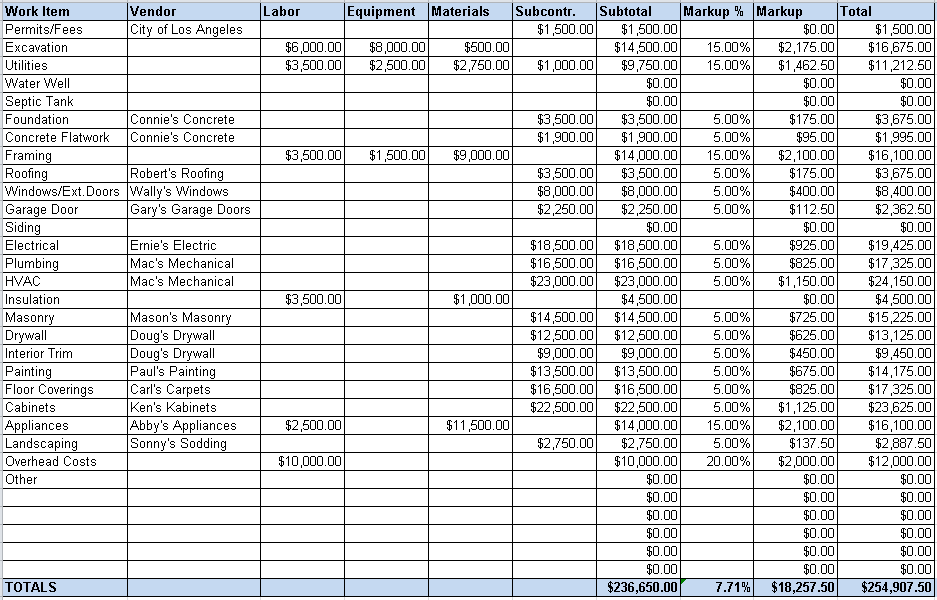
The three main pillars of any renovation cost are materials, labor, and permits.
Materials: This is what your project is built from. It includes everything from lumber and drywall to faucets and floor tiles. The cost can vary dramatically based on your choices. For example, laminate flooring is much less expensive than imported hardwood, and a standard toilet costs a fraction of a high-tech smart toilet. Your taste directly impacts this part of the budget.
Labor: This is the cost of hiring professionals to do the work. It often makes up the largest portion of the budget. The price depends on the skill required (a master electrician costs more than a painter), your location, and how busy local contractors are. While doing some work yourself can save money, skilled labor is crucial for complex jobs like plumbing and electrical work.
Permits: Depending on the scale of your project, you may need official permission from your local municipality. Structural changes, additions, and significant plumbing or electrical work usually require permits. These come with fees that must be factored into your initial budget.
Planning for the Unexpected
No renovation is entirely predictable. Walls come down, and surprises are often waiting behind them. This is why one of the most critical parts of any budget is the part you hope you never have to use: the contingency fund.
Planning a home renovation budget goes beyond just adding up costs; it’s about anticipating unexpected expenses and leaving room for hidden costs that often arise.
A contingency fund is a reserve of money set aside specifically for unforeseen problems. Think of it as financial first aid for your project. You might discover old, unsafe wiring that needs replacing, hidden water damage that requires mold remediation, or structural issues that weren't visible at the start.
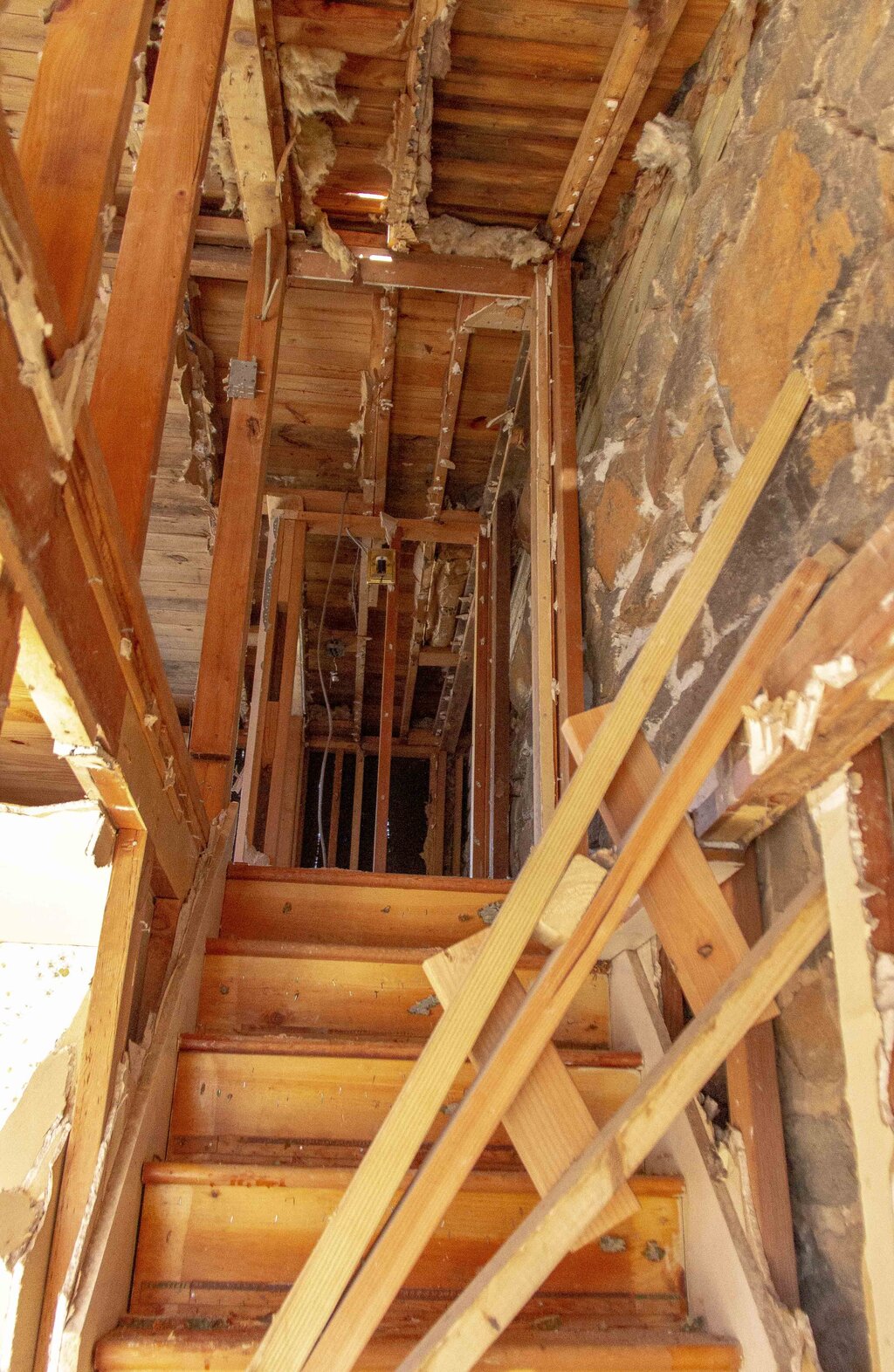
Without this buffer, a single surprise can derail your entire project, forcing you to make compromises on quality or scope later on. A good rule of thumb is to set aside 10-20% of your total estimated project cost for your contingency fund. If your renovation is estimated at $50,000, that means having an extra $5,000 to $10,000 ready.
Define Your Goals
A budget is a tool to help you achieve a goal. So, what is your goal? Before you spend a dime, get clear on why you're renovating. Are you updating a dated kitchen for your own enjoyment? Are you adding a bathroom to accommodate a growing family? Or are you making cosmetic upgrades to increase your home's resale value?
Your primary goal will guide your spending decisions. If you plan to sell soon, you might choose neutral, popular finishes. If this is your forever home, you can splurge on the custom tile you've always wanted.

Once you know your 'why,' you can separate your wants from your needs. This is about prioritizing. Make a list of everything you'd like to do, then sort it into categories. This simple exercise helps you see where your money should go first and what can be cut if the budget gets tight.
| Priority | Kitchen Example |
|---|---|
| Must-Have | Replace leaking faucet, fix broken cabinets. |
| Nice-to-Have | Install new quartz countertops. |
| If Budget Allows | Add a high-end, built-in espresso machine. |
This framework ensures that your essential upgrades are covered first. The 'nice-to-haves' are your next priority, and the 'if budget allows' items are the first to go if unexpected costs eat into your contingency fund.
Now, let's review what you've learned about the fundamentals of renovation costs.
According to the text, which of the following are considered the three main pillars of any renovation cost?
What is the primary purpose of a contingency fund in a renovation project?
By understanding these core concepts, you've built a solid foundation for creating a realistic and effective renovation budget.