Renovation Budgeting Mastery
Understanding Renovation Costs
Breaking Down Renovation Costs
Every renovation project, big or small, boils down to two main cost categories: materials and labor. Understanding how these two parts work together is the first step in building a realistic budget.

Materials are the physical items you'll need. This includes everything from big-ticket items like cabinets and appliances to smaller things like paint, tiles, and light fixtures. The cost of materials can vary dramatically based on quality and brand. For example, custom-built cabinetry will cost significantly more than stock cabinets from a big-box store.
Labor is the cost of hiring professionals to do the work. This includes contractors, plumbers, electricians, and painters. Labor costs are often calculated by the hour or as a flat fee for the entire project. These rates depend on the professional's experience, the complexity of the job, and your geographic location.
Typical Project Costs
While every project is unique, it's helpful to have a general idea of what common renovations might cost. These ranges can help you set realistic expectations before you even start looking for a contractor. Keep in mind that these are just estimates and can fluctuate based on the size of the space, the quality of materials, and local labor rates.
| Project | Typical Cost Range |
|---|---|
| Minor Kitchen Remodel | $15,000 - $30,000 |
| Major Kitchen Remodel | $50,000 - $100,000+ |
| Bathroom Renovation | $10,000 - $25,000 |
| Deck Addition (Wood) | $15,000 - $30,000 |
| Deck Addition (Composite) | $25,000 - $50,000 |
A minor kitchen remodel might involve refacing cabinets, upgrading countertops, and installing a new sink, while a major remodel could include changing the layout, replacing all appliances, and installing new flooring.
Getting a Good Price
You wouldn't buy the first car you see without comparing prices, and the same logic applies to hiring a contractor. It's crucial to get multiple estimates before you commit to anyone. Aim for at least three different quotes. This allows you to compare not just the final price, but also the detailed breakdown of costs, the proposed timeline, and the contractor's understanding of your vision.
When you receive an estimate, make sure it's itemized. It should clearly list the costs for materials, labor, permits, and any other fees. A vague quote is a red flag. Comparing detailed estimates helps you see where your money is going and ensures all contractors are bidding on the same scope of work.
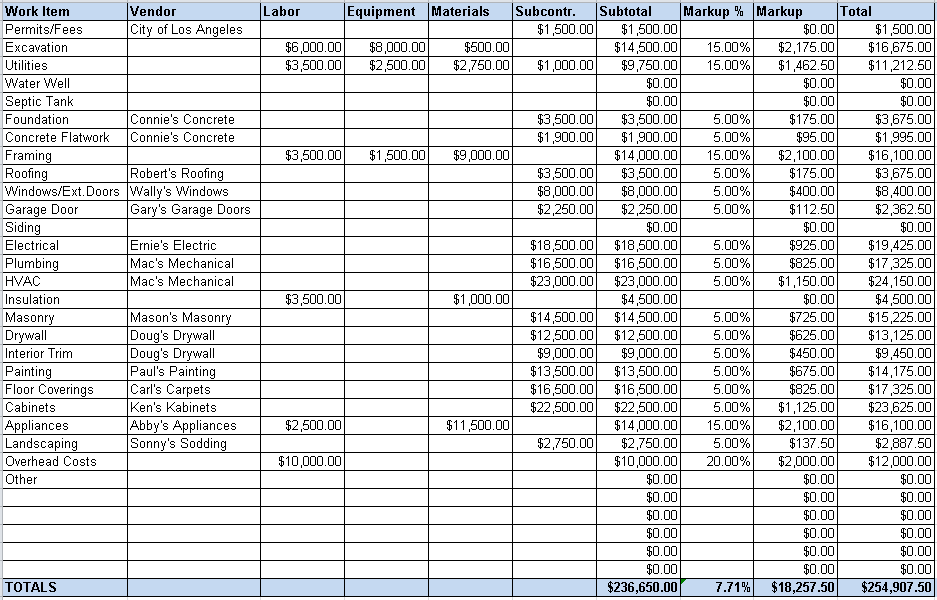
This process isn't just about finding the lowest bidder. A very low bid might signal that the contractor is cutting corners or doesn't fully understand the project. The goal is to find a fair price from a reputable professional who you trust to do quality work.
DIY vs. Professional
One of the biggest decisions you'll make is what work you can do yourself versus what you should hire out. Taking on some tasks can be a great way to save money on labor costs, but it's important to be honest about your skills and the time you can commit.
Painting, demolition, and installing simple fixtures are common DIY tasks. However, jobs that require specialized skills and licenses, like electrical work or plumbing, are almost always best left to professionals. A mistake in these areas can be costly and dangerous.
Before you decide to DIY, factor in the cost of tools you'll need to buy or rent. Sometimes, the savings on labor aren't as significant once you account for equipment costs.
Weigh the pros and cons carefully. While doing it yourself can reduce your budget, hiring a professional often means the job is done faster, with higher quality, and with less stress on your end. A hybrid approach, where you tackle some tasks and hire out others, can offer a good balance.
What are the two primary cost categories that every renovation project is broken down into?
You receive a one-page estimate for a kitchen remodel that only lists a single total price. According to budgeting best practices, what is this a potential sign of?
By understanding these core components of renovation costs, you're better equipped to plan your project and create a budget that works for you.