Renovation Budgeting Masterclass
Understanding Renovation Budgets
Planning Your Renovation Budget
A successful renovation starts long before the first hammer swings. It begins with a solid plan, and the cornerstone of that plan is a realistic budget. Think of your budget not as a restriction, but as a roadmap. It guides your decisions, keeps your project on track, and helps you avoid costly surprises down the road. Without a detailed financial plan, it's easy for expenses to spiral, turning your dream project into a stressful ordeal.
The Core Components
A thorough budget accounts for every potential expense, big and small. Breaking it down into key categories makes the process much more manageable. The main areas you'll need to plan for are materials, labor, permits, and a crucial safety net for the unexpected.
First up are material costs. This category covers everything you'll physically install in your space. It includes big-ticket items like cabinets, countertops, flooring, and appliances. But it also includes the smaller things that add up, such as paint, tiles, light fixtures, and even screws and nails. It’s wise to research these costs early, as they can vary dramatically based on quality and brand.

Next, consider labor expenses. Unless you're a seasoned DIYer, you'll be hiring professionals, and their expertise is a significant part of the budget. This includes the general contractor who manages the project, as well as specialized tradespeople like electricians, plumbers, and painters. Labor costs can often account for 20% to 40% of the total project cost, so getting detailed quotes is essential.
Don't forget permits and fees. Depending on the scope of your renovation, you may need to get permits from your local municipality. These are required to ensure the work is done safely and up to code. Permit fees vary by location and project complexity, so check with your city or county building department to understand what's required and how much it will cost.
Finally, every single renovation budget needs a contingency fund. This is a non-negotiable safety net, typically 10-20% of your total estimated cost. Renovations are famous for uncovering surprises, like hidden water damage or outdated wiring. Your contingency fund is what you'll use to cover these unexpected expenses without derailing your project or having to compromise on your vision.
Think of your contingency fund as project insurance. You hope you don't need it, but you'll be incredibly glad it's there if you do.
Common Budgeting Pitfalls
Knowing what to include in your budget is half the battle. The other half is avoiding common mistakes that can sink even the best-laid plans.
The most frequent error is simply underestimating costs. It's easy to be optimistic about how much things will cost, but it's far better to be realistic. Research average costs for projects similar to yours in your area. The best way to get an accurate picture is to get at least three detailed quotes from different contractors. This will give you a reliable baseline and help you spot any bids that seem too good to be true.
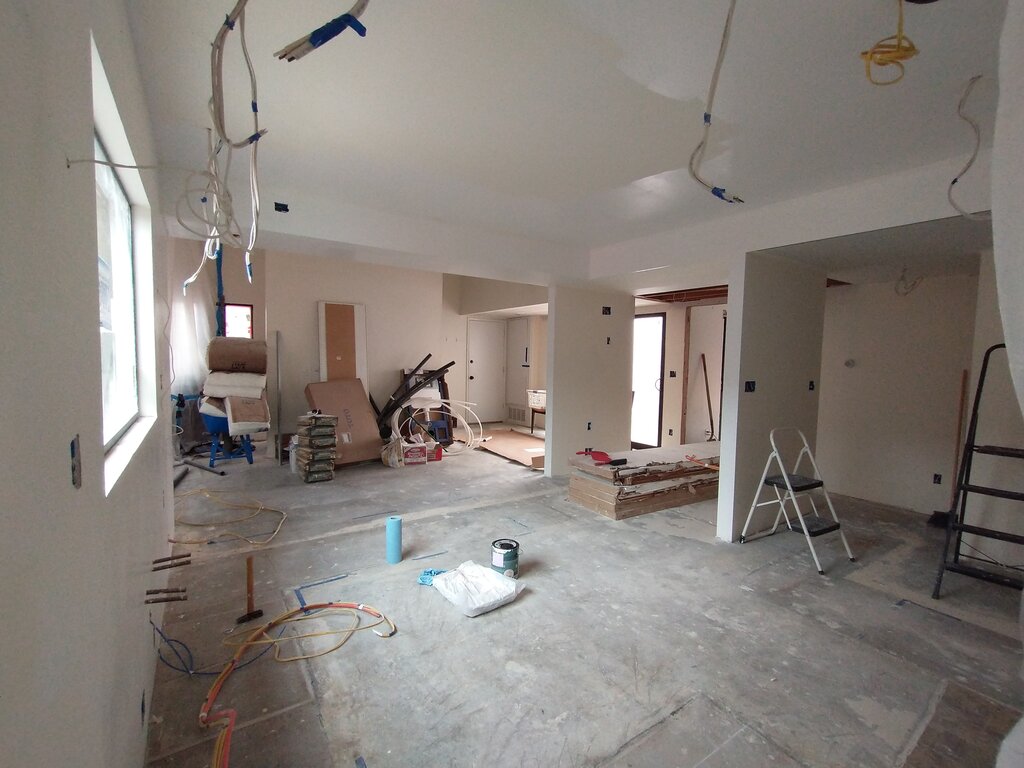
Another common mistake is failing to track spending. A budget is only useful if you stick to it. Keep a detailed spreadsheet or use an app to log every single expense as it happens. This allows you to see where your money is going in real-time and make adjustments if you start to go over in one category.
Lastly, people often forget the small stuff. It's easy to budget for a new sofa but forget the cost of the delivery fee or the new pillows to go with it. Factor in things like taxes, shipping, temporary storage for your belongings, and even the cost of eating out more often if your kitchen is out of commission. These small expenses can add up to a significant amount.
What is the primary role of a budget in a renovation project?
A renovation budget should always include a contingency fund, typically representing ___ of the total estimated cost, to cover unexpected issues.
A well-planned budget is your best tool for a smooth, successful renovation. By accounting for all the key components and avoiding common pitfalls, you can stay in financial control and bring your vision to life.