Renovation Budgeting Masterclass
Understanding Renovation Costs
The Anatomy of a Renovation Bill
When you start dreaming about a renovation, it's easy to focus on the exciting parts, like picking out new countertops or paint colors. But the final price tag is made up of much more than just the materials you can see and touch. A realistic budget accounts for three main types of expenses: direct, indirect, and the dreaded hidden costs.
Direct Costs: What You See
Direct costs are the most straightforward expenses. They are the tangible goods and services that physically go into your project.
Materials are the biggest part of this category. This includes everything from lumber, drywall, and wiring to the final finishes like flooring, faucets, and light fixtures. The cost of materials can vary dramatically. For example, laminate flooring is significantly cheaper than solid hardwood, and a standard-grade appliance costs a fraction of a high-end, custom-panel model.
Labor is the other major direct cost. This is what you pay the skilled people who bring your vision to life. The general contractor who manages the project, the carpenters, plumbers, electricians, and painters all fall into this bucket. Labor costs depend on your location, the complexity of the job, and the experience of the professionals you hire.
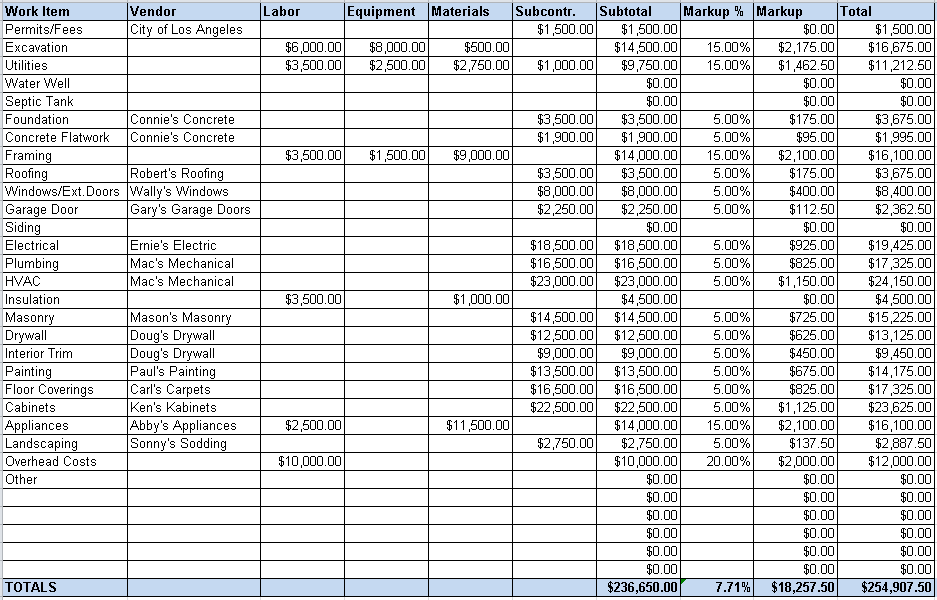
These direct costs typically make up the bulk of your budget and are the easiest to estimate when you're getting quotes from contractors.
Indirect Costs: Behind the Scenes
Indirect costs are the necessary expenses that support the project but aren't part of the physical construction itself. They're often overlooked in early planning but are essential for a successful and legal renovation.
One common indirect cost is permits. Most significant renovations require permits from your local municipality to ensure the work meets safety and building codes. This could include structural, electrical, and plumbing permits. The fees vary widely depending on where you live and the scope of your project.
Another is design fees. If you hire an architect or an interior designer to create detailed plans, their services are an indirect cost. These professionals help you make the best use of your space and can prevent costly mistakes down the line, but their expertise comes at a price.
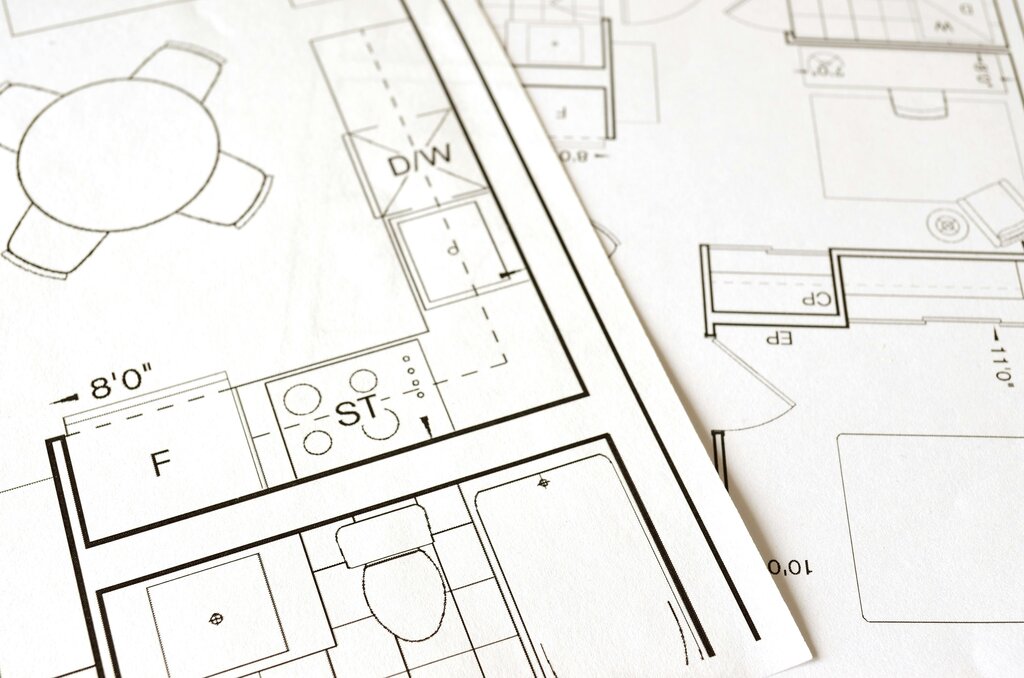
Other indirect costs might include things like dumpster rentals for debris, temporary utilities, or even the cost of eating out more if your kitchen is out of commission for a month.
Hidden Costs: The Unforeseen
Hidden costs are the surprises that pop up after the work has already begun. They are the primary reason why renovation projects go over budget. You can't plan for a specific problem, but you can—and should—plan for the possibility of one.
Once you open up a wall, you never know what you might find. Old wiring, leaky pipes, or termite damage can turn a simple job into a major repair.
Common hidden costs include:
- Structural Issues: Discovering that a load-bearing wall needs to be reinforced or that the foundation has issues can be a significant, non-negotiable expense.
- System Upgrades: You might find that your home's electrical panel can't handle the new appliances, or that the plumbing needs to be completely redone to meet modern codes. These system-wide upgrades can be expensive.
- Pest or Water Damage: Rot, mold, or evidence of past termite infestations often hide behind walls and under floors, requiring remediation before new work can proceed.
Because these issues are so common, especially in older homes, it's a standard rule to add a contingency fund to your budget. This is an extra pool of money, typically 10-20% of your total estimated project cost, set aside specifically for these kinds of surprises.
Which of the following is considered a direct cost in a renovation budget?
The primary purpose of a contingency fund is to pay for known, upfront expenses like high-end appliances.
By understanding all three types of costs, you can create a budget that is both comprehensive and resilient, setting your project up for a smooth and successful completion.