Renovation Budgeting Masterclass
Understanding Renovation Costs
The Anatomy of a Renovation Budget
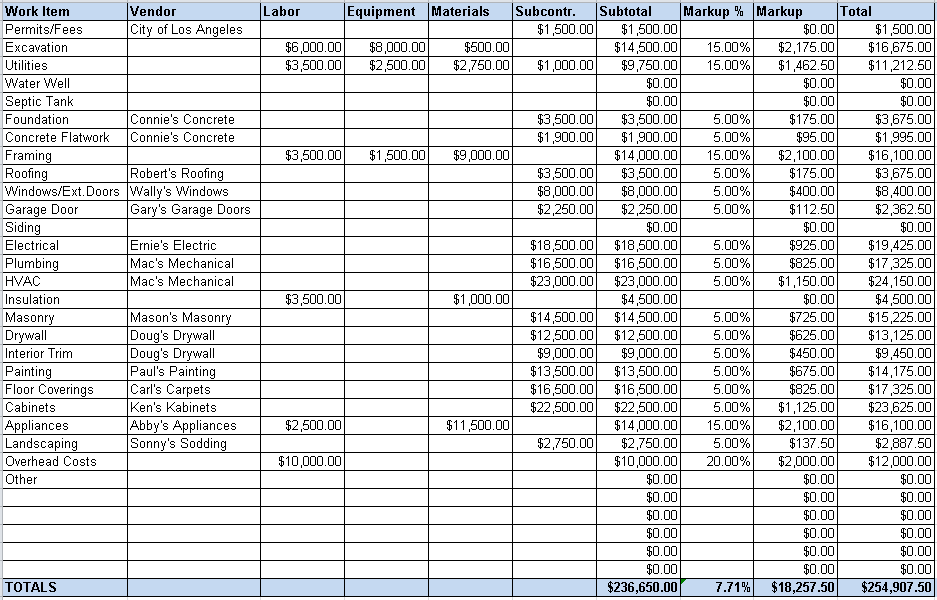
When you think about the cost of a home renovation, you probably picture new countertops or shiny hardwood floors. Those are certainly part of it, but a realistic budget accounts for much more. The total cost of a project is a mix of several different types of expenses, some obvious and some less so.
The most straightforward expenses are the direct costs. These are the tangible things you can see and touch, plus the people who put them all together.
Materials: This includes everything from large items like kitchen cabinets, appliances, and windows down to the nails, screws, and paint. Labor: This is what you pay the professionals to do the work. It covers the general contractor, plumbers, electricians, painters, and any other skilled tradespeople your project requires. Labor often makes up a significant chunk of the total budget.
Costs Beyond the Construction
Beyond the direct costs of building, there are several indirect expenses, sometimes called "soft costs." These are essential for the project to happen legally and according to plan, but they aren't part of the physical structure.
| Indirect Cost | Description |
|---|---|
| Permits & Fees | Most structural, electrical, or plumbing work requires official permits from your local government to ensure it meets safety codes. |
| Design Fees | If you hire an architect or interior designer to create plans, their fees are a separate cost. |
| Temporary Living | If your kitchen or only bathroom is out of commission, you might need to budget for eating out more or even a short-term rental. |
| Waste Disposal | Demolishing walls and removing old fixtures creates a lot of debris. You'll likely need to pay for a dumpster rental and disposal fees. |
The Unforeseen Expenses
No matter how well you plan, renovations have a knack for revealing surprises. Once you open up walls or pull up floors, you might find problems you never knew existed. These are often called hidden costs, and they can quickly inflate your budget if you aren't prepared.
During renovation work, contractors frequently discover hidden problems: rotted wood, outdated wiring, structural issues, or plumbing complications.
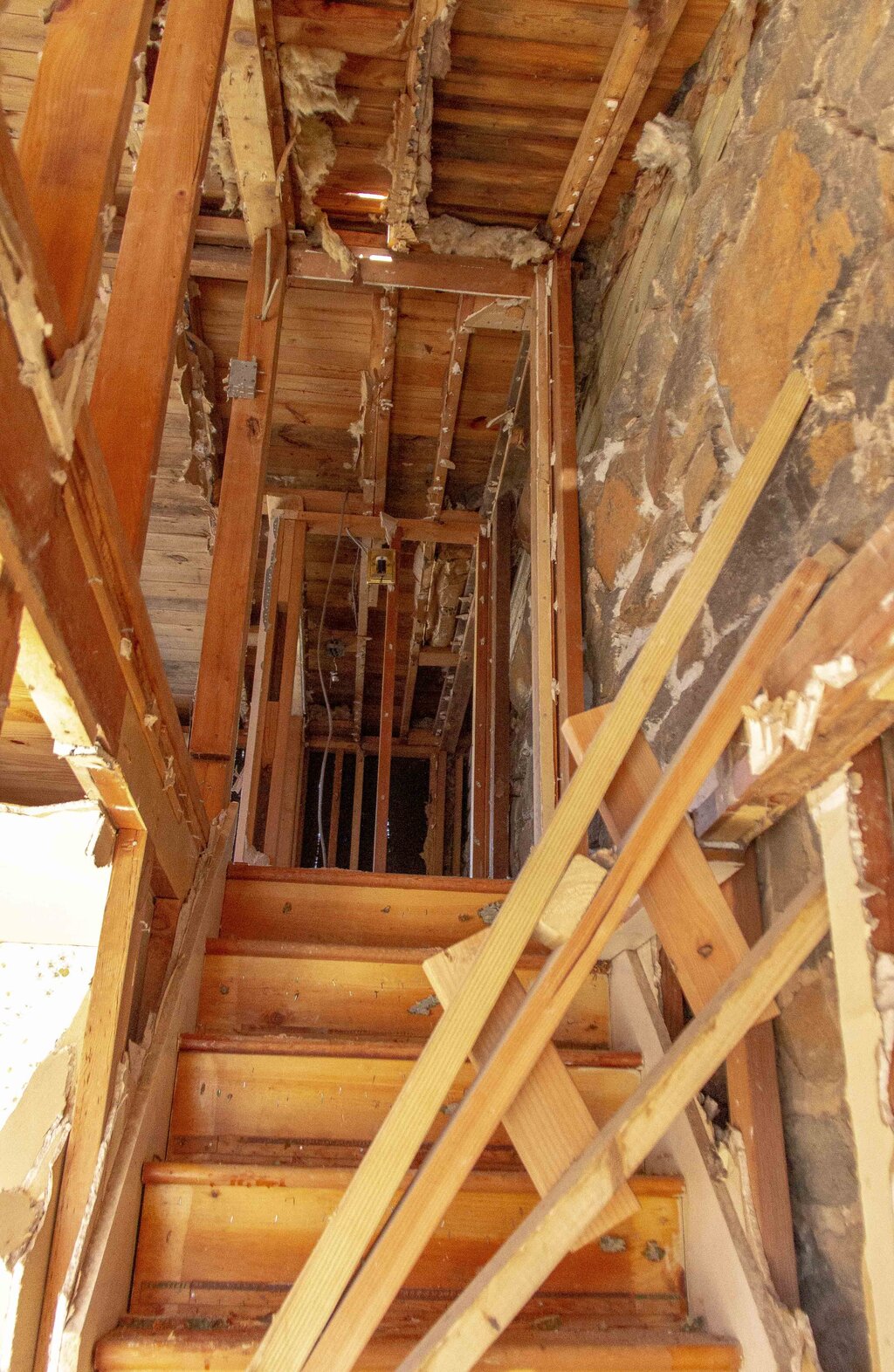
Common hidden costs include:
- Structural Problems: Termite damage, rotted support beams, or a cracked foundation can be expensive to fix.
- Outdated Systems: You might find old electrical wiring that doesn't meet current safety codes or corroded plumbing that needs a complete replacement.
- Hazardous Materials: Older homes may contain asbestos in insulation or lead in paint, both of which require specialized and costly removal procedures.
- Pest Infestations: Discovering a colony of ants or other pests behind a wall means calling an exterminator before work can continue.
Because these surprises are so common, a smart renovation budget always includes a contingency fund. This is a pot of money, typically 10-20% of your total estimated project cost, set aside specifically for these unexpected expenses. It's the safety net that keeps your project on track when you hit an inevitable snag.
Which of the following is considered a direct cost in a home renovation budget?
Expenses like building permits and design fees, which are essential for the project but not part of the physical structure, are known as __________.
Understanding the full spectrum of costs—from materials and labor to permits and hidden surprises—is the first step toward a successful renovation. By anticipating these expenses, you can create a more realistic budget and avoid financial stress down the road.