Renovation Budgeting Masterclass
Understanding Renovation Costs
Gauging Your Renovation Budget
Before knocking down any walls, it’s smart to ground your renovation dreams in reality. A good starting point is your home's current market value. Spending too much might mean you won't get your money back when you sell. Spending too little could result in a project that doesn’t meet your needs or quality standards.
Allocating about 10-15% of your home’s value towards renovation is a practical guideline, offering a good balance between your desires and the inevitable surprises that come with remodeling projects.
For a home valued at $400,000, this guideline suggests a renovation budget between $40,000 and $60,000. This isn't a strict rule, but it provides a reasonable framework to begin your planning. It helps ensure your investment is proportional to the value of your property, which is crucial for resale value.
Costs by the Room
So, what does that money actually buy you? Renovation costs vary widely depending on which part of the house you’re tackling. Kitchens and bathrooms are typically the most expensive rooms to remodel per square foot because they involve plumbing, electrical work, and high-cost items like appliances and cabinetry.
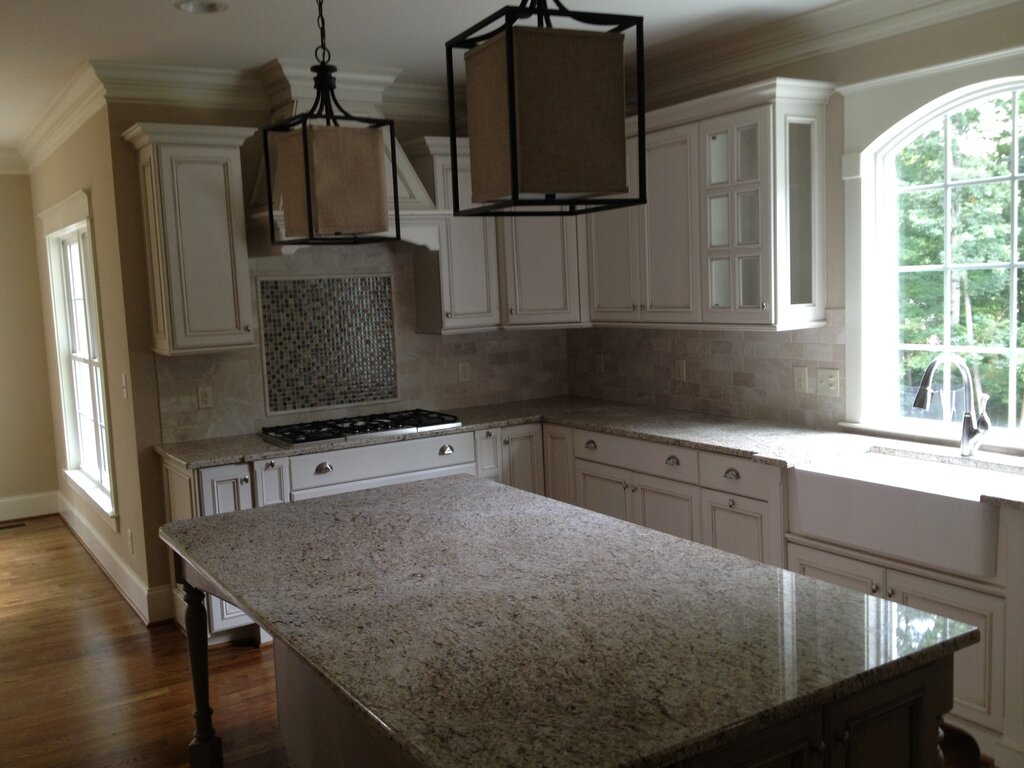
Here’s a general breakdown of what you might expect to spend on common projects. Keep in mind these are just estimates; prices can swing dramatically based on where you live and the choices you make.
| Project | Typical Cost Range | Key Cost Drivers |
|---|---|---|
| Minor Kitchen Remodel | $15,000 - $30,000 | Refacing cabinets, new countertops, new sink, paint |
| Major Kitchen Remodel | $50,000 - $100,000+ | Custom cabinets, high-end appliances, new layout |
| Bathroom Remodel | $10,000 - $25,000 | New fixtures, standard tile, vanity |
| High-End Bathroom | $30,000 - $75,000+ | Moving plumbing, custom tilework, luxury fixtures |
| Living Space Update | $5,000 - $15,000 | New flooring, paint, updated light fixtures |
As you can see, the scope of your project is the biggest factor. A simple cosmetic update is far more affordable than a full-scale remodel that involves changing the room's layout.
What Drives the Price Tag?
Three main factors determine the final cost of your renovation: materials, labor, and location.
Materials: The finishes you choose have a huge impact. For flooring, laminate is much cheaper than hardwood. For countertops, laminate is a budget-friendly option, while quartz and marble are premium choices. These decisions add up quickly.
Labor: Labor can account for 20% to 40% of your total budget. Hiring skilled tradespeople like plumbers, electricians, and carpenters is essential for a quality job, and their rates vary. A project that requires moving walls or rerouting plumbing will be significantly more labor-intensive and costly than one that works within the existing footprint.
Location: Where you live matters. Construction costs are higher in major metropolitan areas compared to rural locations due to differences in labor rates and the cost of materials and permits.
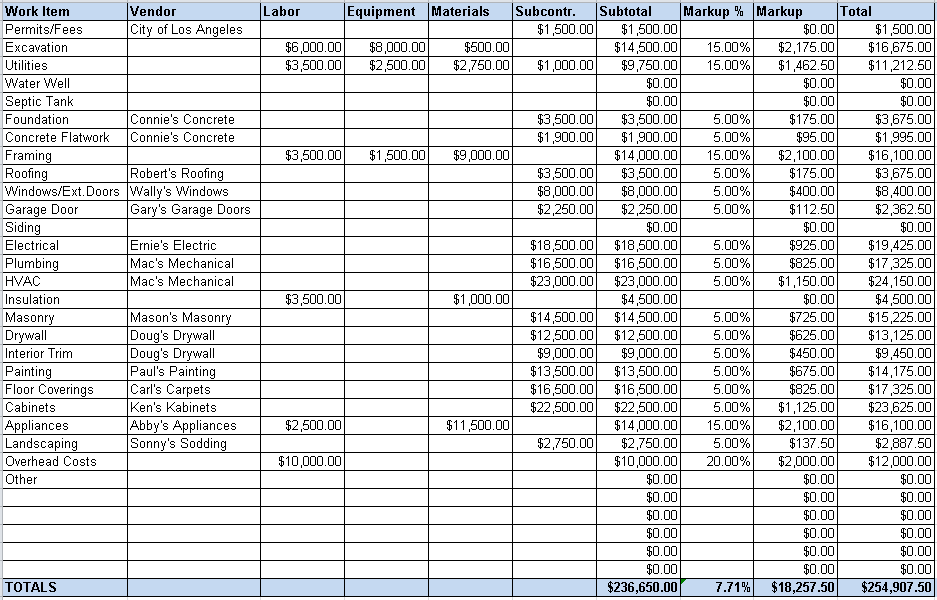
Understanding these drivers helps you see where your money is going and where you might be able to save. Opting for mid-range materials or keeping your existing layout can make a big difference.
The All-Important Cushion
No renovation goes exactly as planned. You might open a wall and discover old wiring that needs replacing or find that a fixture you ordered is on backorder, causing delays. That’s where a contingency fund comes in.
A contingency fund is extra money set aside specifically for unexpected problems and expenses. It's not for upgrades or design changes; it’s a safety net.
Most professionals recommend setting aside 10% to 20% of your total project cost for this fund. For a $50,000 kitchen remodel, that means having an extra $5,000 to $10,000 ready. If you’re renovating an older home, it’s wise to lean toward the higher end of that range, as surprises are more likely.
A wise approach to any home renovation budget includes a contingency fund of 10-20% above your estimated costs.
This fund prevents a small surprise from derailing your entire project or forcing you to make compromises on quality later on. If you don't end up using it, you have extra cash on hand. But if you need it, you'll be glad it’s there.
Based on the general guideline, what is a reasonable renovation budget for a home valued at $500,000?
What is the primary purpose of a contingency fund in a renovation budget?
By understanding these core concepts, you can approach your renovation with a realistic financial picture, setting yourself up for a smoother, more successful project.