Renovation Budgeting Masterclass
Understanding Renovation Costs
The Anatomy of Renovation Costs
When you think about the cost of a renovation, you probably picture new cabinets or shiny hardwood floors. But the final price tag is a mix of many different expenses. Some are obvious, while others are easy to overlook. Understanding these categories is the first step to planning a project without financial surprises.
Direct Costs: The Big Two
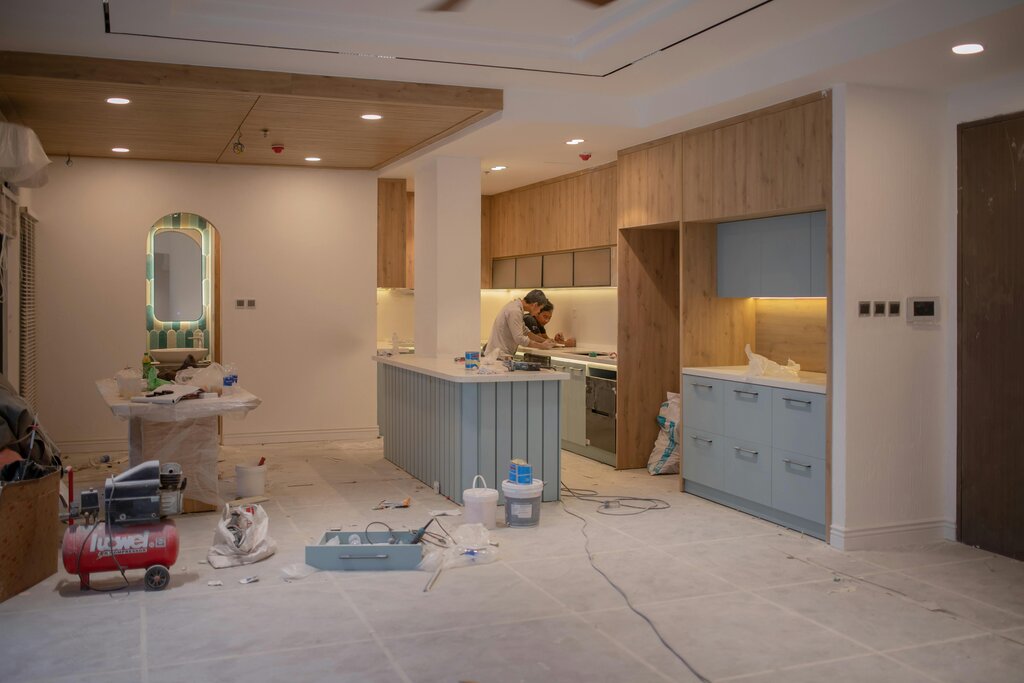
The most straightforward expenses in any renovation are its direct costs. These are the tangible things you can see and touch, and the people who put them all together.
First up are materials. This includes everything from the structural lumber and drywall to the finishing touches like paint, tiles, and light fixtures. The cost of materials can vary wildly based on quality and brand, giving you a lot of control over this part of the budget.
Next is labor. Unless you're doing all the work yourself, you'll be paying skilled professionals—carpenters, plumbers, electricians, and painters—for their time and expertise. Labor costs depend on the project's complexity, your location, and the experience of your crew.
Indirect Costs: Behind the Scenes
Not every renovation expense is for a physical item or a construction task. Indirect costs are the fees that support the project from the sidelines.
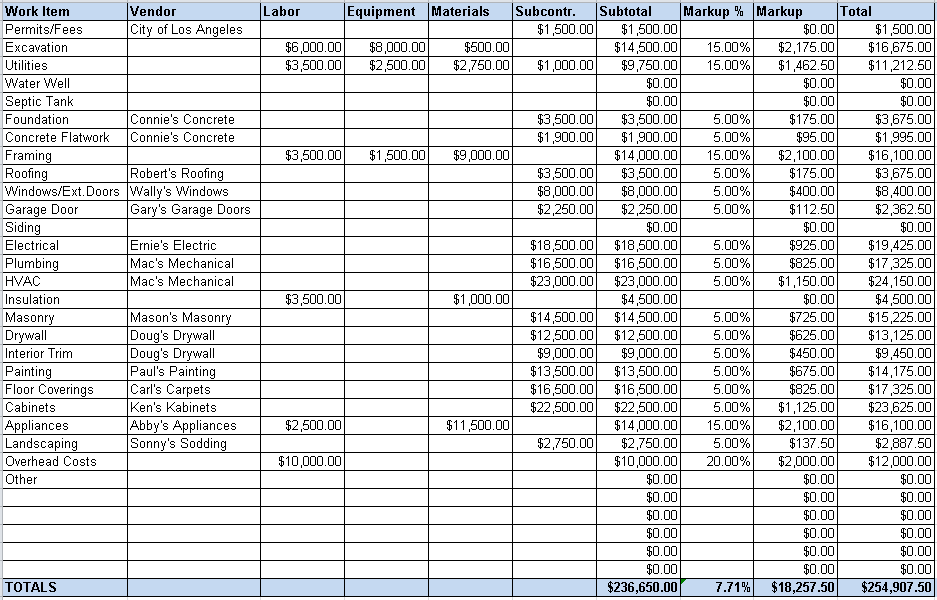
Permits are official approvals from your local government. Depending on the scale of your project, you might need them for structural, electrical, or plumbing work. These fees ensure the work is done safely and up to code.
If you're working with an architect or an interior designer, their design fees are another key indirect cost. They create the blueprints and plans that guide the entire renovation, ensuring the final result is functional and looks the way you want.
Uncovering Hidden Expenses
The most challenging costs are the ones you don't see coming. Renovations, especially in older homes, are full of potential surprises. When you open up a wall or tear up a floor, you might uncover issues that need immediate attention.
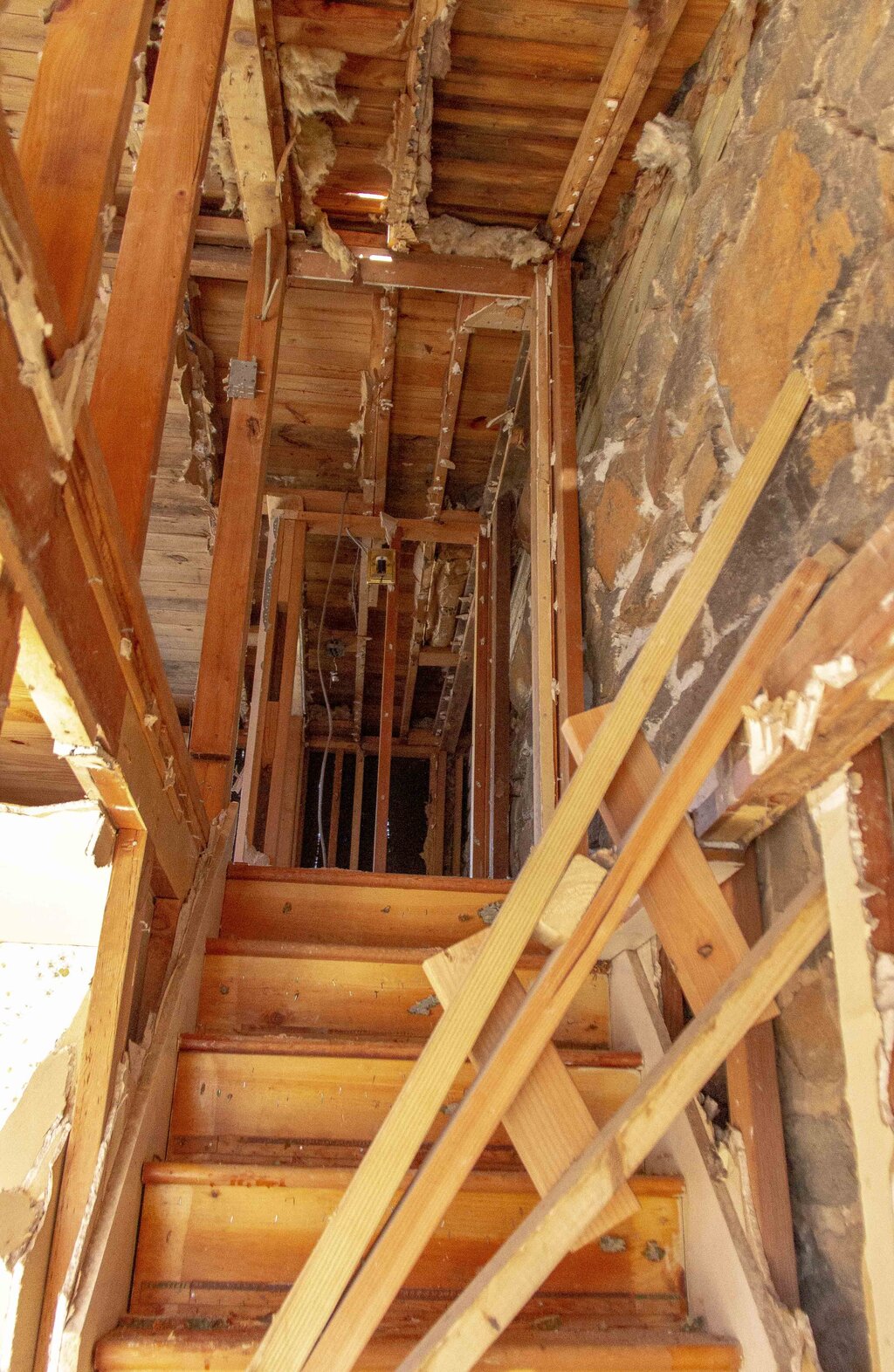
Hidden costs are unexpected problems like outdated wiring, leaky pipes, pest damage, or rot lurking behind walls and under floors.
These problems weren't part of the original plan, but they must be fixed before the project can continue. For example, discovering that your home's electrical system can't handle the new kitchen appliances means you'll need to pay for an unexpected and essential upgrade.
You can't predict exactly what you'll find, but you can plan for the possibility. Acknowledging that surprises are a normal part of renovating is crucial. It changes your mindset from simply adding up known costs to preparing for the unknown. This preparation is what separates a stressful renovation from a smooth one.
Even with careful planning, unexpected costs can arise during a home renovation project.
Recognizing all these cost categories—direct, indirect, and hidden—gives you a complete picture of what your renovation will truly entail. It allows you to build a realistic financial plan from the very start.