Renovation Budgeting Masterclass
Understanding Renovation Costs
Starting with a Solid Budget
Every successful home renovation starts not with a sledgehammer, but with a spreadsheet. A realistic budget is the foundation for your project, helping you make smart decisions and avoid financial stress. But figuring out the real cost can be tricky, as prices vary widely based on your vision, your home, and even your zip code.

Let's break down what you can expect to pay for some of the most popular projects and what factors drive those numbers up or down.
Common Project Costs
Kitchens and bathrooms are the most frequently renovated rooms in a house, and their costs can run the gamut. A minor kitchen refresh—think painting cabinets, updating the faucet, and replacing a light fixture—might only cost a few thousand dollars. A full-scale, down-to-the-studs remodel, however, is a much larger investment.
On average, a mid-range kitchen remodel can cost between 💲25,000 and 💲75,000, while a major bathroom remodel typically falls between 💲10,000 and 💲30,000.
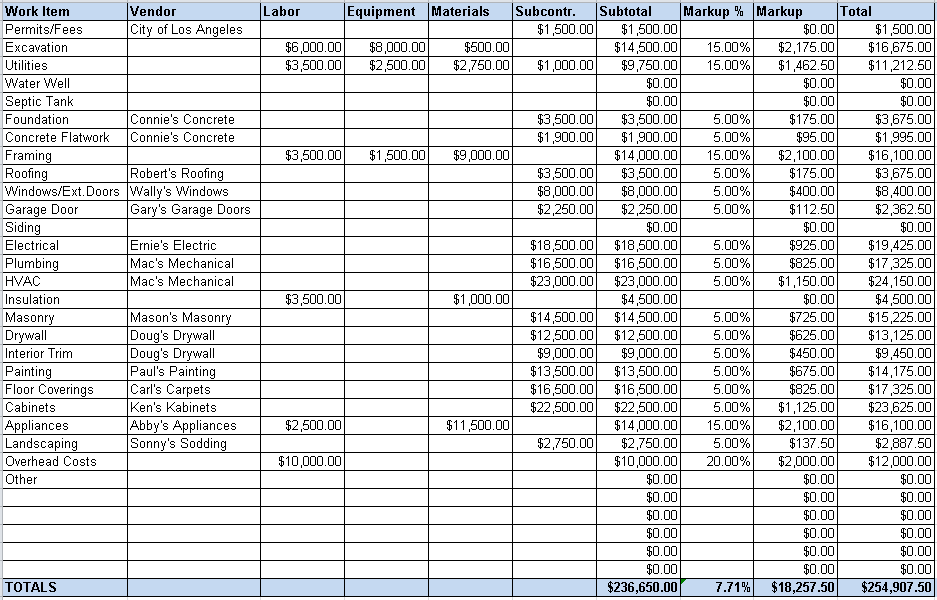
These are just ballpark figures. The final price depends on the choices you make. Here’s a simplified look at how costs for a hypothetical $40,000 kitchen remodel might break down:
| Item | Percentage of Budget | Estimated Cost |
|---|---|---|
| Cabinetry & Hardware | 30% | $12,000 |
| Labor & Installation | 20% | $8,000 |
| Appliances & Ventilation | 15% | $6,000 |
| Countertops | 10% | $4,000 |
| Flooring | 7% | $2,800 |
| Lighting & Electrical | 5% | $2,000 |
| Plumbing | 4% | $1,600 |
| Backsplash & Paint | 4% | $1,600 |
| Design & Permits | 5% | $2,000 |
What Drives the Price Tag?
Several key factors determine your project's total cost. Understanding them helps you decide where to spend and where you can save.
Materials & Finishes: This is the most significant variable. Custom cabinets will cost far more than stock options from a big-box store. Likewise, a rare marble countertop has a much higher price tag than laminate. It's like buying a car—the base model gets the job done, but leather seats and a premium sound system will add up.
Labor: Don't underestimate labor costs. They can account for 20% to 40% of your total budget. This price varies significantly by region. Labor in a major city will be more expensive than in a rural town.
Scope of Work: Are you just swapping out fixtures, or are you moving walls? Changing the layout, especially if it involves moving plumbing or electrical lines, dramatically increases the complexity and cost of a project. The larger the scope, the higher the price.
Plan for the Unexpected
No renovation is entirely predictable. Once you open up walls, you might find unwelcome surprises like outdated wiring, hidden leaks, or even structural issues that need to be addressed immediately. This is where a contingency fund becomes your most important tool.
Industry best practice recommends a contingency budget of 10% to 20% of the total project cost to cover unexpected expenses in home renovation projects.
Think of it as financial insurance for your project. A contingency fund is a separate pool of money, typically 10-20% of your total estimated project cost, set aside exclusively for these unforeseen problems. If your renovation budget is $50,000, your contingency fund should be between $5,000 and $10,000.
This isn't money for upgrading your countertops at the last minute. It’s a safety net that prevents a small issue from derailing your entire project or forcing you into debt. If you're lucky and don't need to use it, you'll have extra cash at the end. But if you do need it, you'll be glad it's there.
According to the text, what is the most significant variable affecting the total cost of a renovation project?
A contingency fund should be used for last-minute upgrades, like deciding on more expensive countertops mid-project.
A well-planned budget, complete with a healthy contingency fund, is the best way to ensure your renovation is a success from start to finish.