Renovation Budgeting for Unexpected Expenses
Understanding Renovation Budgets
Your Budget Is Your Blueprint
A good renovation starts long before the first wall comes down. It begins with a solid plan, and the cornerstone of that plan is a realistic budget. Without one, you're navigating a complex project without a map. A detailed budget does more than just track spending; it forces you to make clear decisions, set priorities, and define the scope of your project from the very beginning. This clarity helps prevent the dreaded “scope creep,” where small additions gradually inflate your costs and timeline.
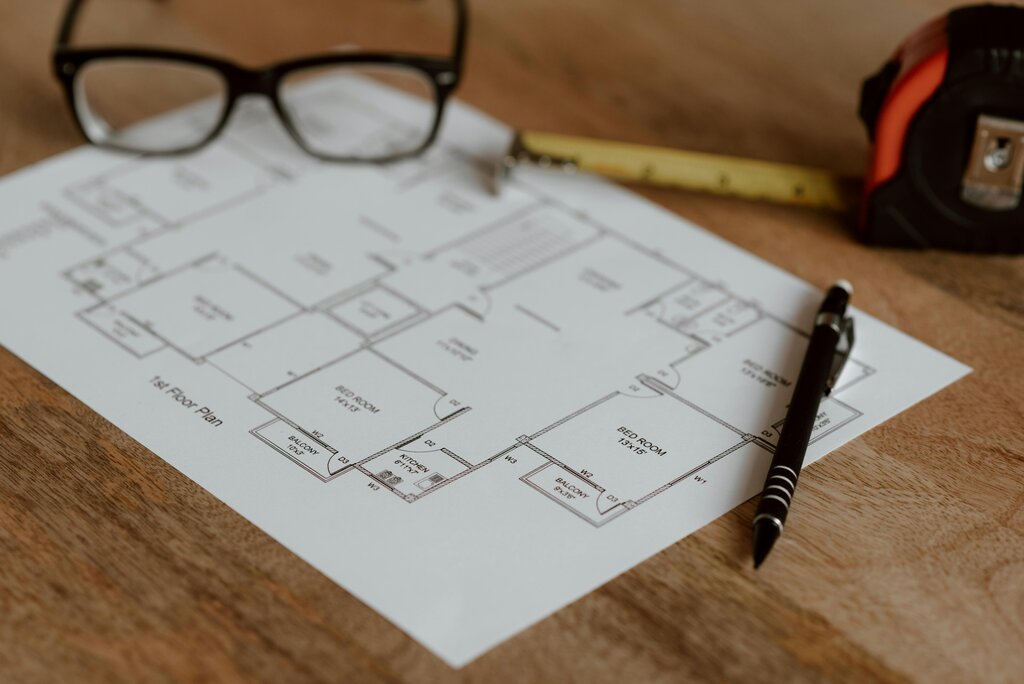
Think of it as the script for your renovation. It outlines every character, from the plumber to the painter, and every prop, from the lumber to the light fixtures. A detailed plan turns a vague dream into an actionable project.
Breaking Down the Costs
A comprehensive budget isn't just one big number. It's a collection of smaller, specific costs that fall into a few key categories. Understanding these helps you see exactly where your money is going.
First, you have materials. This is everything tangible that will become part of your home: tiles, paint, cabinets, windows, and wiring. The cost here can vary wildly based on quality and style.
Next is labor. This is the cost of hiring skilled professionals to do the work. This includes your general contractor, but also subcontractors like electricians, plumbers, and carpenters. Labor costs can be a significant portion of your budget, often 40% or more.
Finally, don't forget permits and fees. Depending on your project's scale, you'll likely need to pay for building permits from your local municipality. You might also have costs for things like architectural plans, engineering consultations, or waste disposal.
| Category | What it Covers |
|---|---|
| Materials | Lumber, drywall, flooring, paint, fixtures, appliances |
| Labor | Contractor, electrician, plumber, painter, carpenter |
| Permits & Fees | Building permits, inspection fees, design plans, debris removal |
Planning for Surprises
No renovation is entirely predictable. Once you open up walls, you might find outdated wiring, hidden water damage, or structural issues that need immediate attention. These discoveries can bring work to a halt and add unexpected costs.
A realistic renovation budget should account for 10-20% contingency funds to cover unexpected costs and design changes during the project.
This is where a contingency fund comes in. It's a portion of your budget, typically 10% to 20% of the total project cost, set aside specifically for these surprises. It's not a slush fund for upgrades; it's a safety net. If you find asbestos behind a wall or your plumber discovers corroded pipes, the contingency fund covers it without derailing your entire financial plan. If you're lucky and don't need it, you'll have extra cash at the end.
Staying Ahead of the Market
The price of materials and labor isn't static. Economic shifts, supply chain issues, and local demand can cause costs to fluctuate, sometimes rapidly. The price of lumber might spike, or a shortage of skilled electricians in your area could drive up labor rates.
Because of this, thorough research is essential. Don't rely on cost estimates you heard a year ago. Before finalizing your budget, get current quotes from multiple suppliers and contractors. Check recent project costs in your area. This homework helps you create a budget based on today's reality, not yesterday's prices, making it far more likely to succeed.
A well-researched, detailed budget with a healthy contingency fund is your best tool for a smooth and successful renovation. It transforms financial anxiety into confident decision-making.