Renovation Budgeting for Hidden Costs
Understanding Renovation Budgets
Your Budget Blueprint
A renovation budget is more than a list of expenses. It’s the blueprint for your entire project, guiding every decision from the big structural changes down to the final coat of paint. Without a solid budget, it’s easy for costs to spiral and for the project to drift off course. A well-planned budget keeps you in control, turning your vision into a reality without financial surprises.
The Core Components
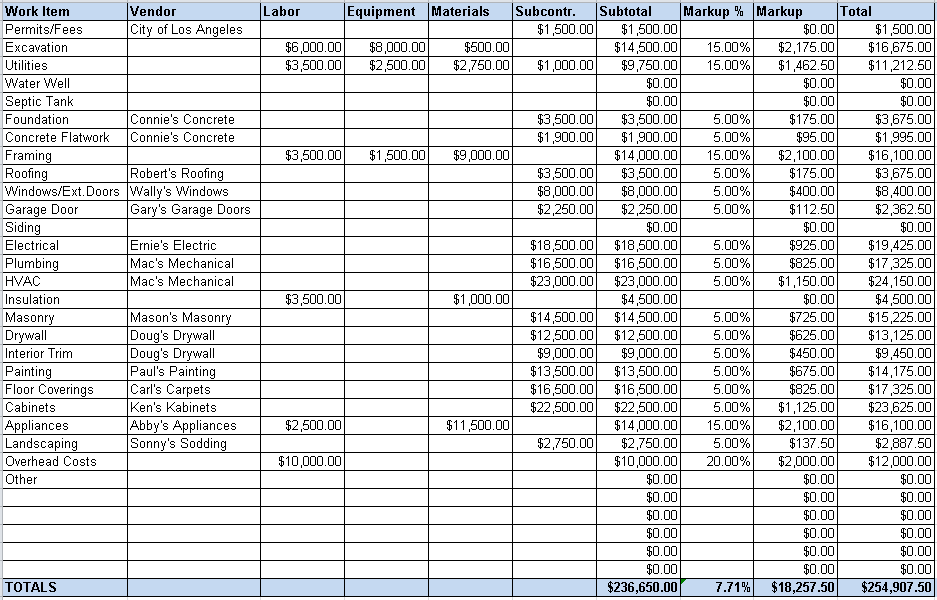
Every renovation budget is built on a few key pillars. Understanding these components helps you create a comprehensive and realistic financial plan. Think of them as categories in a detailed spreadsheet that you'll track throughout the project.
A great budget accounts for everything you can see and leaves room for what you can't.
Here’s a breakdown of what you need to include:
| Component | Description |
|---|---|
| Materials | This includes everything from lumber and drywall to paint, tiles, and fixtures. Quality and brand can cause significant price variations. |
| Labor | The cost for hiring professionals like contractors, electricians, plumbers, and painters. This is often one of the largest expenses. |
| Permits & Fees | Many renovations require permits from your local municipality. These fees vary by location and the scope of the project. |
| Tools & Equipment | If you're doing some of the work yourself, you may need to buy or rent specific tools. Contractors will typically include this in their labor costs. |
Planning for the Unexpected
No renovation goes exactly as planned. Walls are opened up to reveal unexpected plumbing issues, materials are delayed, or you might simply change your mind about a design choice midway through. These are not project failures; they are a normal part of the process. The key is to be prepared for them financially.
Contingency
noun
A sum of money set aside to cover unexpected costs that arise during a project.
This is where a contingency fund becomes your most important tool. A contingency fund is a portion of your budget—typically 10% to 20% of the total estimated cost—that is reserved exclusively for surprises. It's a safety net that allows you to handle unforeseen problems without derailing your entire project or going into debt.
Include estimated expenses for materials, labor, permits (if needed), and unexpected costs that might arise during renovations—it’s wise to set aside at least 10-20% of your total budget as a contingency fund for surprises along the way.
Beyond hidden structural issues, you should also factor in potential delays. A delayed materials shipment can push back your timeline, which might increase labor costs if your contractors have to reschedule. Building some buffer time into your project plan can reduce the stress and financial impact of these delays.
Ready to test your knowledge?
What is the primary role of a renovation budget?
A contingency fund is a portion of your budget reserved for unexpected costs.
By planning for both the known costs and the unknown variables, you set your renovation up for success. A thorough budget is your best tool for staying on track and achieving your goals.