Renovation Budgeting for Hidden Costs
Understanding Renovation Budgets
Your Budget Blueprint
A renovation budget isn't just a number you hope to stick to. It's a detailed plan that guides every decision you make, from the big structural changes down to the cabinet handles. Without a solid budget, a project can quickly spiral out of control, leading to stress and half-finished rooms. Think of it as the architectural plan for your finances.
Budgeting for a renovation starts with one essential rule: know your numbers before you swing the first hammer.
Getting those numbers right means breaking the project down into its core components. A vague idea of the total cost is a recipe for trouble. Instead, a realistic budget accounts for every piece of the puzzle.
Breaking Down the Costs
Every renovation budget is built on four main pillars. Understanding each one helps you see where your money is going and why.
1. Materials: This includes everything from the lumber and drywall that form the structure to the paint, tiles, and light fixtures that finish the space. Material costs can vary dramatically. A standard faucet might cost $50, while a high-end designer one could be $500. This is an area where you have some control over the budget through your selections.
2. Labor: This is often the largest expense. It's the cost of hiring professionals like contractors, plumbers, electricians, and painters. The price depends on their skill level, the complexity of the job, and your location. While it can be tempting to save money with DIY, skilled labor is essential for work that involves plumbing, electrical systems, or structural changes.
3. Permits: Depending on the scale of your project, you may need to get official permission from your local government. These building permits ensure the work is done safely and up to code. Fees for permits are an easy cost to forget, but they are a mandatory part of many renovations.
4. Contingency Fund: This is your financial safety net. Renovations are famous for uncovering surprises, like hidden water damage or outdated wiring. A contingency fund is extra money, typically 10-20% of your total budget, set aside specifically for these unexpected problems. Without it, one surprise can derail your entire project.
Ignoring the contingency fund is one of the biggest budgeting mistakes. It’s not a question of if something unexpected will happen, but when.
Common Budgeting Mistakes
A great plan helps you avoid common pitfalls. One of the most frequent errors is creating an overly optimistic budget. It's easy to underestimate the cost of materials or how long the labor will take. Always research costs thoroughly and get multiple quotes from contractors. A detailed quote should break down the costs for materials and labor separately.
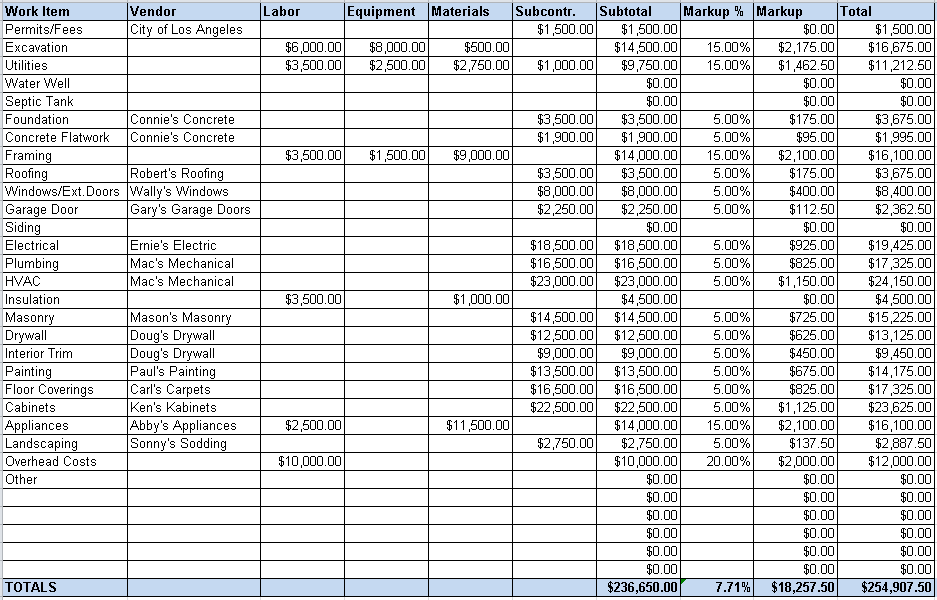
Another common mistake is forgetting the “small” costs. Things like new tools, cleanup and debris removal, or even the cost of eating out more while your kitchen is out of commission can add up. A good budget accounts for everything, not just the big-ticket items.
Finally, avoid changing your mind mid-project. While some adjustments are inevitable, major changes once work has begun, known as scope creep, are a primary cause of budget overruns. A detailed plan, decided upon before any demolition starts, is your best defense.
Ready to test your knowledge? This quiz will cover the key parts of building a solid renovation budget.
What are the four main pillars of a renovation budget described in the text?
What is the primary purpose of a contingency fund?
By planning carefully and accounting for all potential costs, you can approach your renovation with confidence, turning a stressful process into a rewarding one.