Renovation Budgeting for Hidden Costs
Understanding Renovation Budgets
Start With the Basics
Before you pick out paint colors or new appliances, you need a budget. A renovation budget isn't just a single number; it's a detailed plan that guides your decisions and helps you avoid financial stress. Think of it as a roadmap for your project.
The first step is to estimate the total cost. This doesn't mean pulling a number out of thin air. Start by researching what similar projects in your area have cost. Talk to friends or neighbors who have recently renovated. Most importantly, get detailed quotes from several different contractors. A good quote will break down the costs for you.

Don't just look at the final price. Compare the line items for materials, labor, and other fees. This process helps you understand where the money is going and gives you a realistic starting point for your budget.
Slicing the Pie
Once you have a rough total, it's time to allocate your funds. A common mistake is to only think about the big, visible expenses like flooring and countertops. But a successful renovation has many moving parts, and they all cost money.
Your budget should be broken down into categories. While every project is different, the costs generally fall into a few key buckets. Labor and materials are the two largest, but you also need to account for things like design fees, building permits, and the cost of hauling away demolition waste.
This breakdown shows why getting itemized quotes is so important. It helps you see if one contractor is charging significantly more for labor or if the material allowances are realistic for the quality you want.
The All-Important Safety Net
No renovation goes exactly as planned. When you open up walls, you might find outdated wiring, hidden water damage, or structural issues that need to be addressed immediately. These surprises can quickly derail a project without a proper financial cushion.
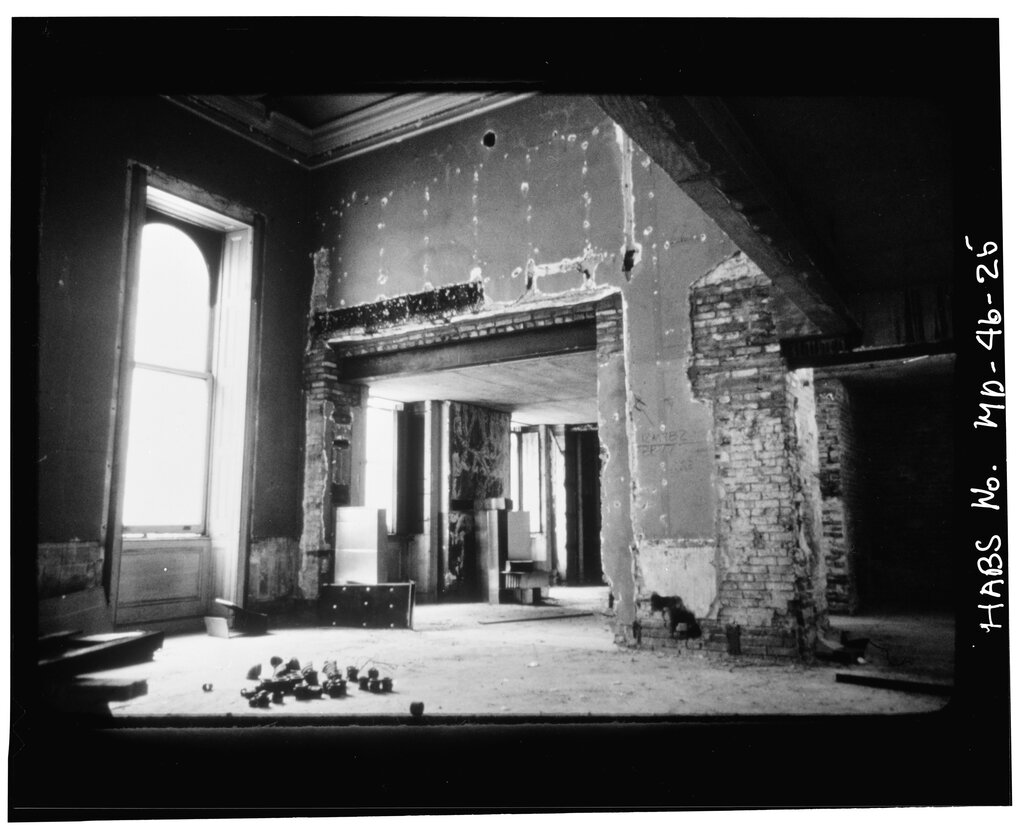
This is where a contingency fund comes in. It's a portion of your budget set aside specifically for unexpected costs. It’s not a slush fund for upgrading your faucet at the last minute; it's a safety net for genuine, unforeseen problems.
Industry experts recommend a contingency fund of 10% to 20% of your total project cost. For older homes or more complex projects, aiming for the higher end of that range is a wise move.
Avoiding Common Pitfalls
Many renovation budgets fail for the same few reasons. Being aware of these common mistakes can help you stay on track.
-
Underestimating Costs: This is the most common pitfall. Always do your research and get multiple professional quotes to build a realistic estimate.
-
Forgetting Small Expenses: The cost of new light switches, drawer pulls, paintbrushes, and other small items adds up. Make sure your budget accounts for these finishing touches.
-
Making Too Many Changes: Changing your mind mid-project, also known as "scope creep," is a budget killer. Finalize your design and material choices before the work begins. Swapping out a tile choice after it's been ordered can lead to restocking fees and project delays.
-
Ignoring the Contingency Fund: Some people create a contingency fund but then dip into it for non-emergencies. Protect your contingency fund. Only use it for true surprises that were impossible to plan for.
By setting a realistic budget, building in a robust contingency fund, and choosing a fixed-price contract with a reputable contractor, you can avoid the most common causes of home renovation cost overruns.
A well-planned budget is the foundation of a successful renovation. It transforms a potentially stressful process into a manageable and exciting journey toward improving your home.
What is the primary purpose of creating a detailed renovation budget?
A contingency fund should ideally be used for which of the following scenarios?
Creating a solid budget sets you up for success. By estimating costs, allocating funds wisely, and preparing for the unexpected, you can manage your renovation with confidence.