Renovation Budgeting for Hidden Costs
Understanding Renovation Budgets
Crafting Your Financial Blueprint
A renovation budget is more than a shopping list. It's the financial blueprint for your project, guiding every decision from start to finish. A well-planned budget doesn't just account for the obvious expenses; it prepares you for the unexpected, ensuring your vision can become a reality without financial strain.
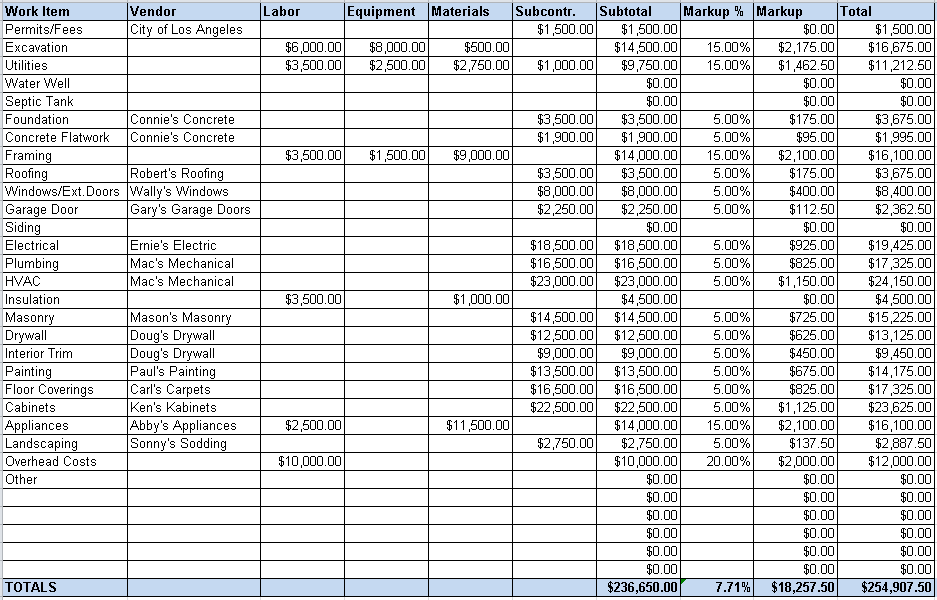
Think of it as a roadmap. Without one, you might start driving in the right direction, but you're likely to get lost, take costly detours, and possibly run out of gas before you reach your destination. A solid budget keeps you on track.
The Four Pillars of Your Budget
Every renovation budget is built on four core components. Understanding each one is key to creating a realistic plan.
-
Materials: This is everything that will physically become part of your new space. It includes the big-ticket items like flooring, cabinets, and appliances, as well as the smaller things like paint, tiles, screws, and light fixtures.
-
Labor: Unless you're doing all the work yourself, this will be a significant part of your budget. Labor costs cover the skilled professionals who bring your project to life, such as contractors, plumbers, electricians, and painters.
-
Permits and Fees: Many renovations, especially those involving structural, electrical, or plumbing changes, require official permits from your local municipality. These fees ensure the work is done to code, which is crucial for safety and for the future resale value of your home. Skipping this step can lead to fines and major headaches down the road.
-
Contingency Fund: This is the most important part of your budget. A contingency fund is a financial safety net set aside specifically for unexpected problems and costs. It’s not a slush fund for upgrades; it’s your project’s insurance policy.
A widely recommended strategy is to allocate between 10-20% of the total renovation budget specifically for unexpected costs.
If your estimated material, labor, and permit costs total $50,000, your contingency fund should be between $5,000 and $10,000. This brings your total project budget to $55,000 - $60,000. Never start a project without this buffer in place.
Beware of Hidden Costs
The biggest reason renovations go over budget is the discovery of hidden problems. You can’t know what’s behind a wall until you open it up. Old houses are notorious for hiding surprises like outdated wiring, leaky pipes, mold, or structural issues that must be addressed before the project can continue.
These surprises are exactly what your contingency fund is for. Other hidden costs might not be so dramatic but can add up quickly. These can include things like debris removal, temporary living expenses if you have to move out, or the cost of eating out more often while your kitchen is out of commission.
| Potential Hidden Cost | Why It Matters |
|---|---|
| Outdated Electrical or Plumbing | Must be brought up to current safety codes, often requiring extensive replacement. |
| Structural Problems | Unseen rot, termite damage, or foundation issues can compromise your home's integrity. |
| Mold or Water Damage | Requires professional remediation before any new work can begin. |
| Debris Disposal | Renting a dumpster or paying for junk removal isn't usually in the initial estimate. |
| Temporary Accommodations | If the renovation makes your home unlivable, you'll need to budget for a short-term rental. |
Project delays can also strain your budget. A key material might be backordered, or a subcontractor could get sick. Each day of delay can add to labor costs and potentially disrupt your living situation. Building a little extra time into your project schedule, just like you build extra money into your budget, can help manage the stress of unexpected hold-ups.
Which of the following is described as the most important part of a renovation budget?
A contingency fund is best used for which of the following scenarios?
Building a solid budget is the first and most critical step in any successful renovation. By planning for both the known and the unknown, you set your project up for a smooth and financially sound completion.