Renovation Budgeting for Hidden Costs
Understanding Renovation Costs
The Anatomy of a Renovation Bill
A renovation's price tag isn't just one big number. It's a collection of several distinct costs, each playing a critical role in bringing your project to life. Understanding these components is the first step toward building a realistic budget and avoiding sticker shock down the road. Think of it like a recipe: you need to know the cost of each ingredient to figure out the total cost of the meal.
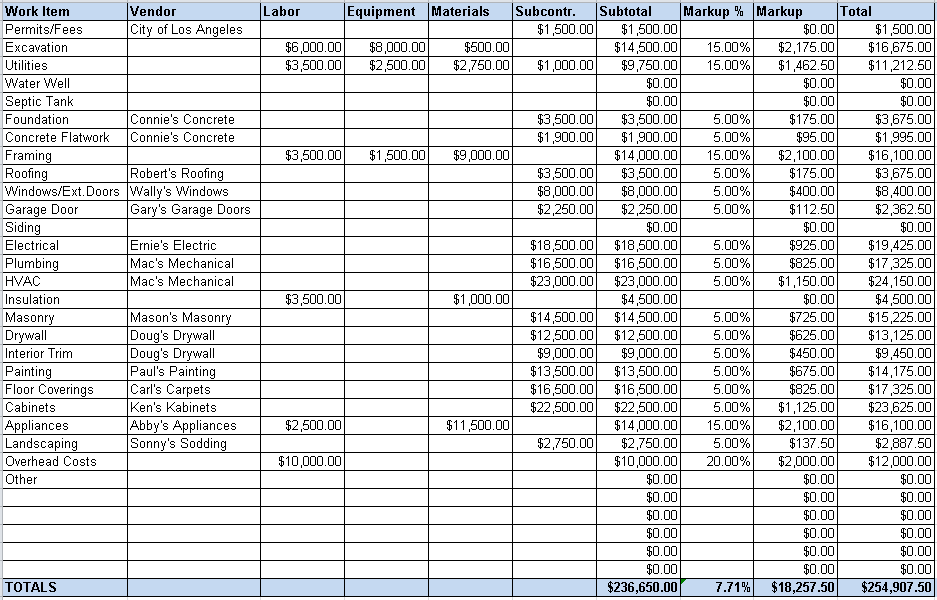
Getting this estimate right from the start is crucial. A poorly planned budget can lead to major headaches. You might run out of money halfway through, forcing you to pause construction, take on unexpected debt, or settle for lower-quality finishes. A precise budget acts as your financial roadmap, guiding your decisions and keeping the project on track from demolition to the final coat of paint.
The Four Core Costs
Nearly every renovation budget is built on four pillars. While the exact proportions will vary depending on your project, these categories cover the essentials.
1. Materials These are the physical items that make up your renovation. It includes everything from the lumber in the walls and the tiles on the floor to the paint, nails, and light fixtures. Material costs can fluctuate wildly based on quality, brand, and supply. For example, custom cabinetry will cost significantly more than stock cabinets from a big-box store. This is often the area where you have the most control over the budget through your selections.
2. Labor This is what you pay for the skilled work of professionals like carpenters, electricians, plumbers, and painters. Labor costs are typically charged by the hour or as a fixed fee for the entire project. Rates vary based on the professional's experience, the complexity of the job, and your geographic location. A simple paint job will have a much lower labor cost than rewiring an entire kitchen.
3. Permits For many renovations, especially those involving structural, electrical, or plumbing changes, you'll need official approval from your local municipality. These permits ensure the work is done safely and up to code. The cost of permits can range from under a hundred dollars for simple projects to several thousand for large-scale additions. Don't skip this step—working without a permit can result in fines and trouble when you eventually sell your home.
4. Design Fees If your project requires detailed plans, you might hire an architect or an interior designer. Architects are essential for projects that change the structure of your home, while designers help with aesthetics, space planning, and material selection. Their fees can be structured as a percentage of the total project cost, an hourly rate, or a flat fee. Their expertise helps ensure the final result is functional, beautiful, and well-executed.
Underestimating any of these four costs can derail your project. An accurate, detailed budget is your best tool for a successful renovation.
What are the four main pillars that typically make up a renovation budget?
The cost of hiring a carpenter to install new kitchen cabinets falls primarily into which category?