Renewable Natural Gas Business Development
Introduction to Renewable Natural Gas
What Is Renewable Natural Gas?
Renewable Natural Gas, or RNG, is a fuel produced from decomposing organic waste. Think of things like food scraps, animal manure, wastewater, and landfill trash. When this material breaks down in an oxygen-free environment, it releases a mixture of gases called biogas.
This raw biogas is primarily made of methane (), the same main component as conventional natural gas, and carbon dioxide (). To become RNG, the biogas is processed to remove the and other impurities. The final product is nearly pure methane that is fully interchangeable with conventional natural gas. It can be used in the same pipelines and for the same purposes, like heating homes or fueling vehicles. Because of this, it's also often called biomethane.
Where Does It Come From?
RNG can be produced from a variety of waste streams that are all around us. The most common sources tap into existing processes where organic matter is already breaking down.
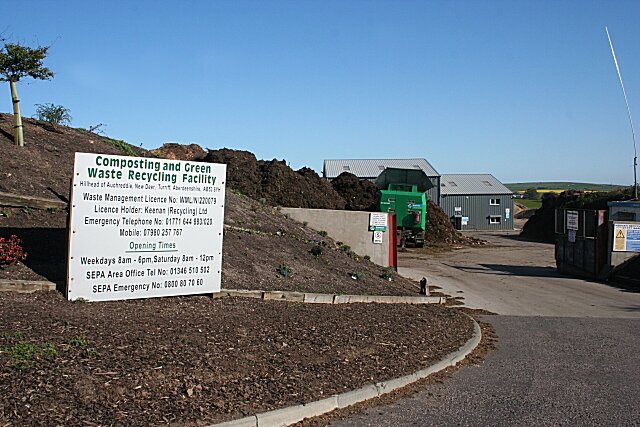
Key sources include landfills, wastewater treatment plants, livestock farms, and facilities that process food or green waste.
At a landfill, the garbage buried underground naturally decomposes and releases methane. Instead of letting this potent greenhouse gas escape, facilities can install systems to capture it. Similarly, wastewater treatment plants process organic solids from sewage, and large livestock farms manage huge amounts of animal manure. Both are ideal sources for producing biogas.
How Is It Made?
The core process for creating RNG is called anaerobic digestion. The name sounds technical, but the idea is simple. It's a natural process where microorganisms break down organic material in an environment without oxygen. You can think of it as a large, sealed container that acts like a mechanical stomach.
Inside this container, called a digester, bacteria get to work on the waste. As they digest it, they produce biogas. This raw gas is then collected and purified, or "upgraded," to remove carbon dioxide, water vapor, and other trace gases. What's left is pipeline-quality renewable natural gas.
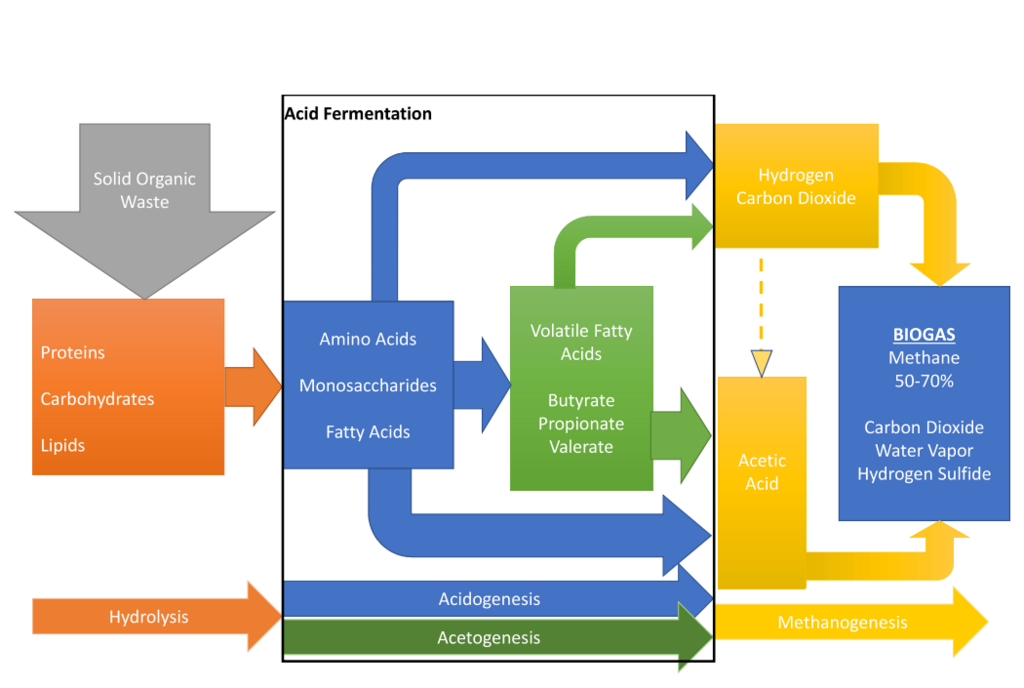
The process also yields a second valuable product: digestate. This is the nutrient-rich solid and liquid material left over after digestion. It makes an excellent natural fertilizer, returning valuable nutrients to the soil and creating a more circular system.
Why Is It a Big Deal?
The environmental benefits of RNG are significant. The biggest advantage is its ability to capture methane emissions that would otherwise be released into the atmosphere. Methane is a greenhouse gas over 25 times more potent than carbon dioxide at trapping heat.
By capturing methane from sources like landfills and farms and converting it into fuel, we turn a major climate problem into a solution. Using RNG reduces our reliance on fossil fuels and provides a renewable energy source that can be produced locally from materials we would otherwise throw away.
The Biogas Utilization Project will treat the biogas generated in the new digesters to renewable natural gas quality for injection into the nearby Pacific Gas and Electric gas pipeline.
Now let's review the key concepts we've covered.
What is the primary component of Renewable Natural Gas (RNG) after it has been purified?
The process of using microorganisms to break down organic waste without oxygen is called __________.
By transforming waste into energy, RNG offers a practical way to reduce emissions and create a more sustainable energy system.