Remote Job Search Strategies
Understanding Remote Work
What is Remote Work?
Remote work, at its core, means doing your job from a location other than a central office. This could be your home, a coffee shop, or a co-working space halfway around the world. It’s not a new concept, but technology has transformed it from a rare perk into a mainstream option.
The idea started as “telecommuting” in the 1970s, a way to cut down on traffic and pollution. But without widespread internet access, it was limited. Fast forward to the age of high-speed internet, powerful laptops, and cloud computing. Suddenly, collaborating with a team from anywhere became not just possible, but efficient. This technological shift laid the groundwork for the remote work explosion we see today.
The Good and The Bad
Working remotely offers a lot of freedom. The most obvious benefit is flexibility. You can often shape your workday around your life, not the other way around. No more long commutes means more time for family, hobbies, or just sleeping in. For many, this autonomy leads to higher job satisfaction and better work-life balance.
Companies benefit, too. They can hire the best person for a role, regardless of where they live, tapping into a global talent pool. Remote work can also reduce costs associated with large office spaces.
| Benefits | Challenges |
|---|---|
| Flexibility & Autonomy | Potential for Isolation |
| No Commute | Communication Hurdles |
| Access to Global Jobs | Difficulty Unplugging |
| Reduced Office Costs | Need for Self-Discipline |
Of course, it’s not without its challenges. The lack of in-person interaction can lead to feelings of isolation. Spontaneous conversations by the water cooler are replaced by scheduled video calls, which can make team bonding more difficult.
It also requires a great deal of self-discipline. At home, you are your own manager. The lines between work and personal life can blur, making it hard to switch off. Overcoming these hurdles is key to a successful remote career.
The Remote Job Market Today
The landscape of work changed dramatically after 2020. Many companies that were hesitant to allow remote work had to adapt, and many found that productivity didn't suffer. As a result, the number of remote and hybrid (a mix of in-office and remote work) positions has soared.
This boom has also led to intense competition. Because companies can hire from anywhere, you're no longer just competing with local candidates. You're competing with a global talent pool. This makes it more important than ever to stand out.
While tech is the most well-known industry for remote work, it’s far from the only one. Fields like digital marketing, customer support, design, writing, and education have embraced remote roles. Positions like project managers, virtual assistants, and data analysts are now commonly remote, opening up opportunities across many sectors.
Digital Skills are Essential
Succeeding in a remote job isn't just about having the skills for the role itself. You also need to be proficient in the tools and habits of digital collaboration. Remote work runs on technology that keeps teams connected and projects moving forward.
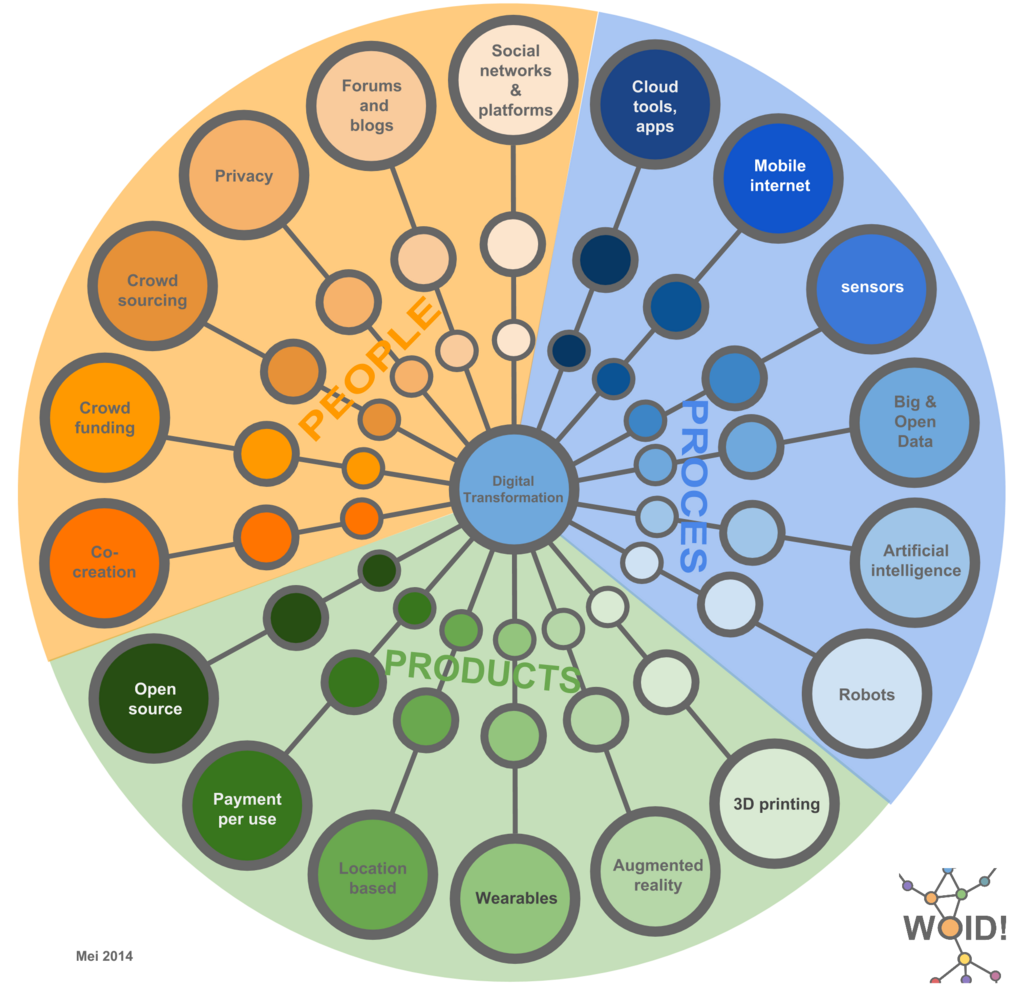
This means being comfortable with a range of digital tools. Communication platforms, project management software, and cloud-based file sharing are the new office.
Effective written communication is critical. Without face-to-face cues, your ability to convey ideas and tone clearly through text becomes one of your most valuable skills.
Beyond specific software, employers look for candidates who are self-starters, proactive communicators, and adept problem-solvers. Proving you have these soft skills, along with the technical ability to navigate a digital workspace, is fundamental to landing and thriving in a remote role.
What is the core concept of remote work?
The increase in remote work opportunities has led to a larger, global talent pool, which in turn has increased competition for jobs.
Understanding the fundamentals of remote work is the first step. It's a different way of working that offers great rewards but also requires a unique set of skills and a proactive mindset.