Remote Job Search Power-Up
Understanding Remote Work
What Is Remote Work?
Remote work, at its core, isn't about a specific job, but about where you do it. Instead of commuting to a central office every day, you work from another location. This could be your home, a co-working space, or even a coffee shop on the other side of the world.
The idea has been around for decades, but advances in technology and a shift in workplace culture have made it more common than ever. It's not a one-size-fits-all model. Remote work exists on a spectrum, from occasionally working from home to being part of a company with no physical headquarters at all.
The key is that your physical location isn't tied to your employer's office. This opens up opportunities to work for companies that aren't in your city or even your country.
There are three main ways companies structure remote work:
| Model | Description | Key Feature |
|---|---|---|
| Fully Remote | All employees work remotely. The company may not have a physical office at all. | Location independence |
| Hybrid | Employees split their time between working in the office and working remotely. | A mix of in-person and remote work |
| Flexible | Employees are based in an office but have the freedom to work remotely on certain days. | Office-centric with remote options |
A fully remote company operates with a distributed team across different time zones. Communication is almost entirely digital. In a hybrid model, a company might require employees to come into the office two or three days a week for collaboration and meetings. Flexible arrangements are often more informal, giving employees the option to work from home when they need to focus or handle personal appointments.
Benefits and Challenges
The most celebrated benefit of remote work is flexibility. You can often structure your day around your life, not the other way around. This can mean running errands in the middle of the day, picking up your kids from school, or simply working during your most productive hours.
Without a daily commute, you save time, money, and the stress of traffic. For many, this is a massive improvement in quality of life. It also opens up a global job market. You're no longer limited to employers within a certain radius of your home.
However, remote work isn't without its challenges. Working from home can be isolating. You miss out on the spontaneous social interactions of an office, which can make it harder to build strong relationships with colleagues.
Another common struggle is the blurring of boundaries between work and personal life. When your office is always just a few steps away, it can be tempting to work at all hours. Creating a dedicated workspace and setting firm start and end times for your day is crucial.
Finally, not everyone has a home environment conducive to focused work. Distractions from family, pets, or roommates can be a real hurdle.
The Remote Job Market
The landscape of work has shifted. While some companies have returned to in-office mandates, many have embraced remote and hybrid models for the long term. This means the number of available remote positions is still significantly higher than it was a decade ago.
Competition, however, is fierce. When a company posts a remote role, they often receive applications from around the globe. This widens the talent pool for them but increases the number of candidates you're up against.
Certain industries have adapted to remote work more easily than others. Tech, marketing, customer service, and design are fields where remote roles are plentiful. However, positions in finance, project management, and even some healthcare roles are increasingly offered remotely.
What Employers Look For
Succeeding in a remote role requires more than just the technical skills for the job. Employers look for specific attributes that show you can thrive without direct, in-person supervision. These are often called "soft skills," and they're incredibly important.
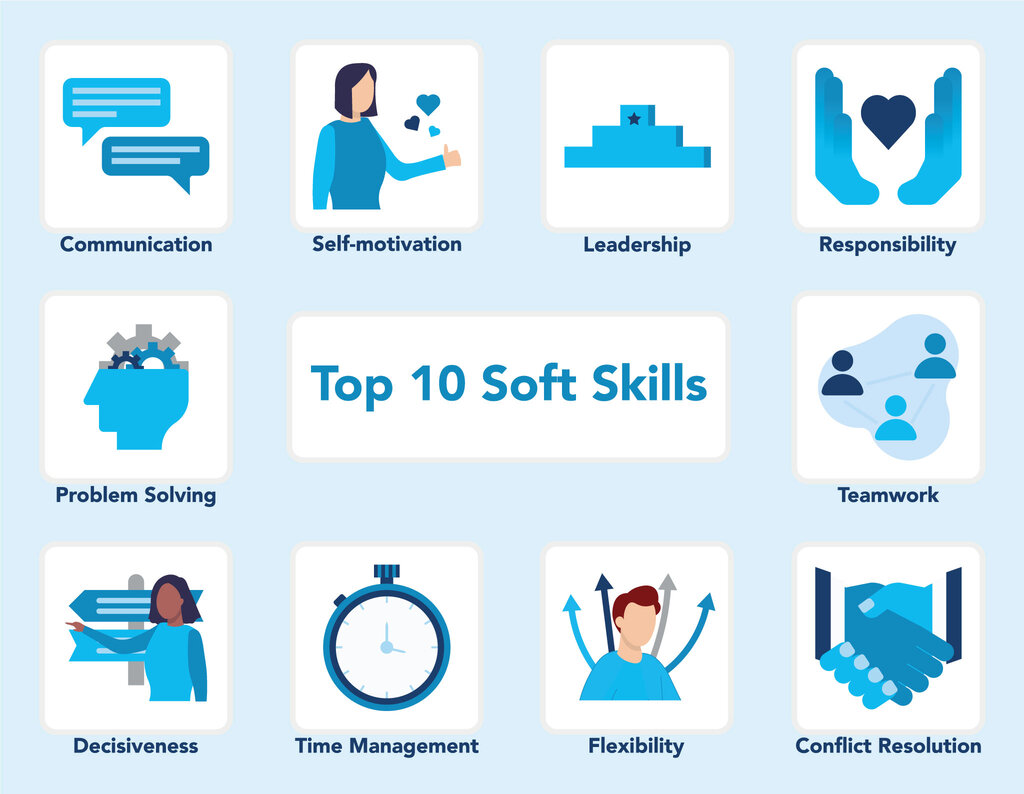
First is communication. When you're not in the same room, you must be able to express yourself clearly and concisely in writing. This applies to emails, chat messages, and project documentation. Proactive communication is key—you need to provide updates without being asked.
Next is self-discipline and time management. Without a manager looking over your shoulder, you are responsible for managing your own schedule and staying on task. Employers want to see that you're a self-starter who can deliver results independently.
Tech-savviness is also a must. You don't need to be a programmer, but you should be comfortable learning and using digital collaboration tools like Slack, Asana, Zoom, or Google Workspace.
Finally, adaptability is critical. Remote work environments can change quickly. Being able to pivot, learn new tools, and solve problems on your own shows an employer you're a valuable and resilient team member.
These skills demonstrate that you can be trusted to work autonomously and remain a connected, productive part of the team, no matter where you are.
Now, let's test your understanding of the fundamentals of remote work.
What is the fundamental characteristic that defines a job as "remote"?
A company requires its employees to be in the office every Tuesday and Thursday for team collaboration but allows them to work from anywhere on other days. Which remote work model does this best describe?
Understanding these core concepts is the first step toward navigating the world of remote work.