Remote-First Job Search Strategies
Understanding Remote-First Work
The Remote-First Mindset
The idea of working from home isn't new, but the philosophy behind it has evolved. We've moved from simply allowing remote work to building entire companies around it. This is the core of being "remote-first."
A remote-first organization doesn't just tolerate remote work; it's designed for it. All systems, from communication to project management, are built assuming no one is in a central office. This creates a level playing field where every employee has the same access to information and opportunities, regardless of their physical location.
This is different from a "remote-friendly" company, which has a physical office as its main hub but allows some employees to work from home. In these setups, remote workers can sometimes feel disconnected from the office-based majority, where important conversations might happen in person.
| Feature | Remote-First | Remote-Friendly |
|---|---|---|
| Default Location | Distributed (no central office) | Physical office |
| Communication | Asynchronous, written | Synchronous, verbal |
| Hiring | Global talent pool | Often limited by location |
| Decision-Making | Transparent, documented | Can happen informally in-office |
Benefits and Challenges
For employees, the biggest benefit of remote work is flexibility. You can often set your own hours and create a workspace that suits you perfectly. For companies, it unlocks a global talent pool, allowing them to hire the best person for the job, not just the best person within commuting distance.
But it's not without its challenges. The lack of casual, in-person interaction can lead to feelings of isolation. It's harder to build personal bonds with colleagues you only see on a screen. Another hurdle is maintaining a healthy work-life balance. When your home is your office, it can be tempting to stay logged on, blurring the lines between personal time and work time.
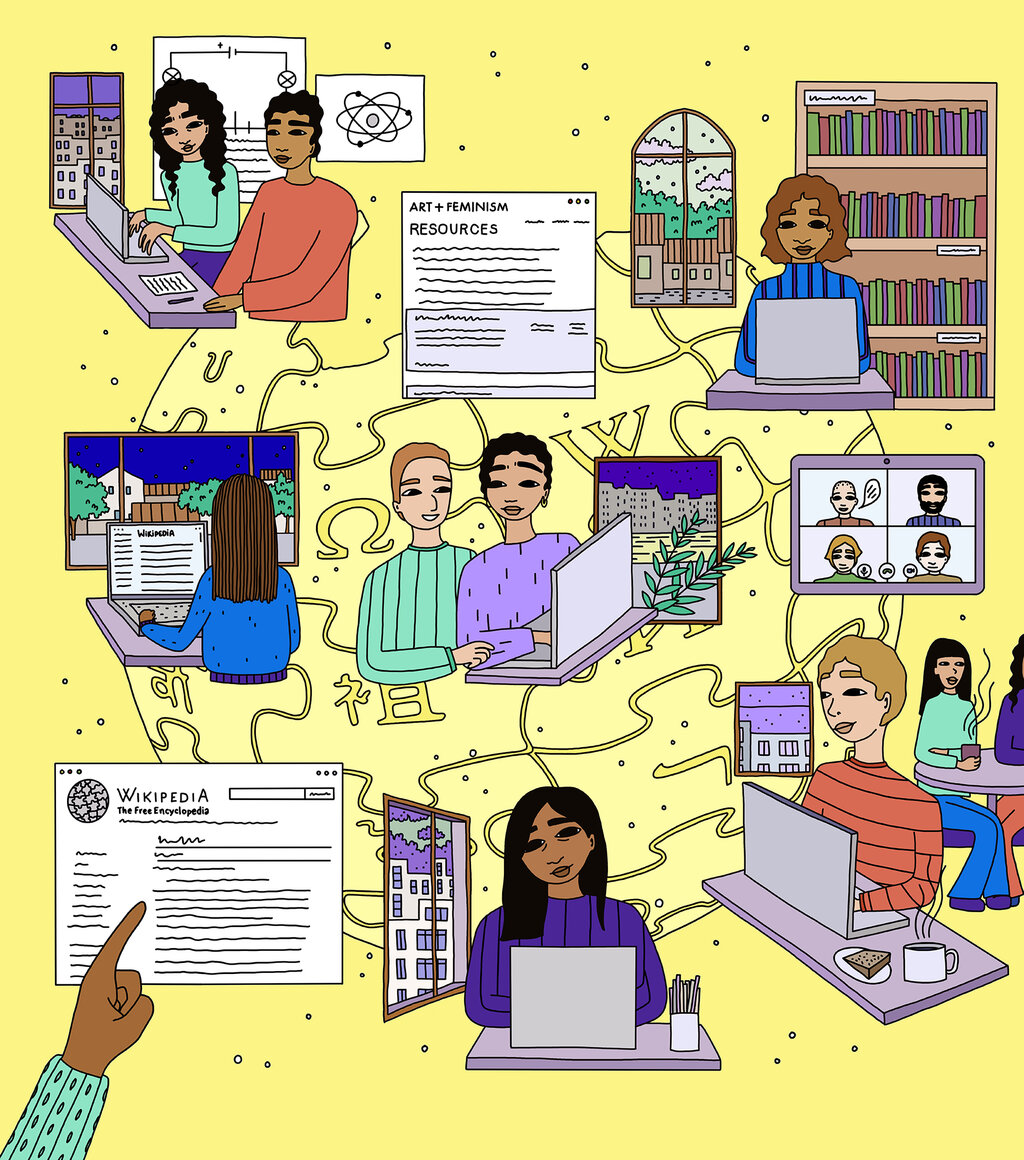
Overcoming these challenges requires deliberate effort from both the company and the individual. Companies must foster a sense of community through virtual events and clear communication channels, while employees need to set firm boundaries to protect their personal time.
Building a Remote Culture
Culture in a remote-first company doesn't just happen; it's built intentionally. Since you can't rely on hallway chats or office perks, culture is expressed through shared values and processes.
One key aspect is a shift to asynchronous communication. This means communication doesn't have to happen in real-time. Instead of instant messages demanding immediate replies, teams rely on detailed, written updates in shared documents or project management tools. This respects different time zones and allows people to focus without constant interruption.
Trust is the foundation. Managers must trust their team to get work done without constant supervision, focusing on results rather than hours clocked. This leads to a culture of autonomy and accountability.
Documentation is key to asynchronous working . Transparent documentation is a large reason Remote has been able to scale our global teams so quickly without compromising on talent or fit.
Clear, accessible documentation becomes the single source of truth for everything from project goals to company policies, ensuring everyone is on the same page.
Essential Skills for Success
Thriving in a remote-first environment requires a specific set of skills. While job-specific expertise is still crucial, these three traits are the bedrock of success.
Self-Discipline: Without a manager looking over your shoulder, you need to be your own boss. This means managing your time effectively, minimizing distractions, and staying motivated to complete your tasks. It's about taking ownership of your work and your schedule.
Communication: In a remote setting, you can't rely on body language or tone of voice. Your communication must be clear, concise, and proactive, especially in writing. You need to be able to articulate your ideas, provide thoughtful feedback, and ask for help when you need it.
Adaptability: Remote-first companies often rely on a wide array of digital tools, and these tools can change. Being adaptable means you're comfortable learning new software and adjusting your workflows. It also means being flexible as the company and your team evolve.
These aren't just "nice-to-have" traits. They are fundamental requirements for being productive, visible, and happy in a remote role.
Ready to test your knowledge about remote-first work?
What is the primary difference between a "remote-first" and a "remote-friendly" company?
In a remote-first organization, asynchronous communication is favored because it respects different time zones and allows for focused work without constant interruption.
Understanding the principles of remote-first work is the first step toward navigating this modern way of working. It's a model built on trust, clarity, and personal accountability.