Remote-First Job Search
Understanding Remote Work
What Is Remote Work?
Remote work is any job you do outside of a traditional, centralized office. This could mean working from home, a coffee shop, or a co-working space. It’s also known as telecommuting or working from home.
While the idea has been around for decades, it wasn’t until the rise of the internet and collaborative technology that it became truly widespread. Laptops, high-speed internet, and cloud-based software made it possible for teams to connect and get things done from anywhere in the world. The global events of 2020 then acted as a massive catalyst, pushing millions of companies to adopt remote work policies almost overnight.
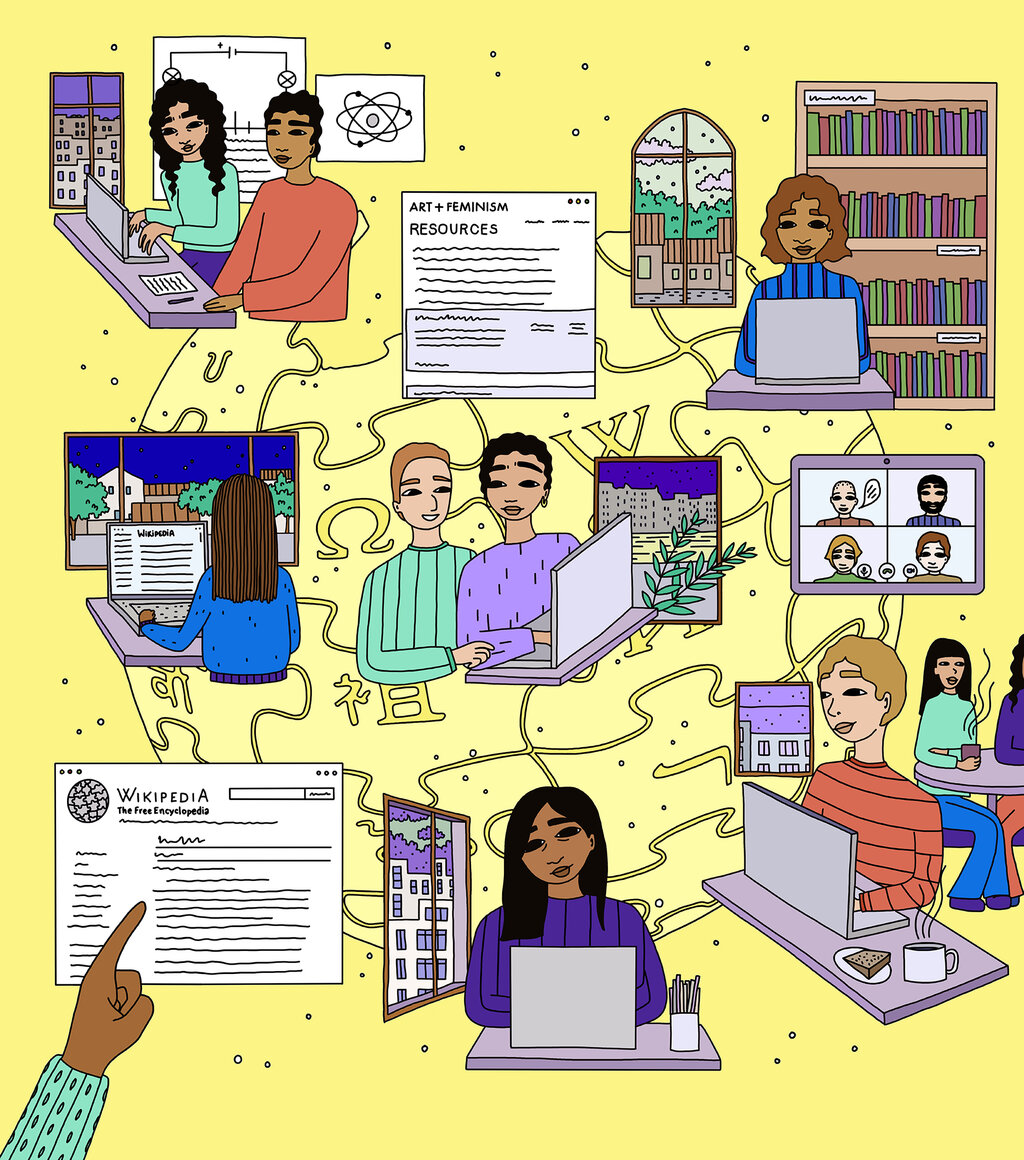
Today, remote work isn't just a temporary fix; it's a fundamental part of the modern workplace. Companies are now often categorized by their approach:
- Remote-first: The company operates primarily remotely, with few or no physical offices. All systems and processes are designed for a distributed team.
- Hybrid: Employees split their time between working in an office and working remotely. This can be a fixed schedule (e.g., in-office Tuesday to Thursday) or a more flexible arrangement.
- Remote-friendly: A traditional office-based company that allows some employees to work remotely on a case-by-case basis.
Benefits and Challenges
The shift to remote work comes with significant upsides. The most obvious benefit is flexibility. You can often set your own hours, creating a work schedule that fits your life, not the other way around. Without a daily commute, you reclaim hours of your day and save money on transportation and food.
Many remote workers also report higher productivity and job satisfaction. They have more autonomy over their work environment and can focus with fewer office distractions. It also opens up a global job market, allowing you to apply for positions at companies located far from your home.
However, remote work isn't without its challenges. The lack of in-person interaction can lead to feelings of isolation and disconnection from colleagues. It can be harder to build relationships and feel like part of a team.
The line between work and home can also blur. When your office is always just a few steps away, it's easy to fall into the habit of working longer hours or checking emails late at night. Maintaining a healthy work-life balance requires self-discipline and clear boundaries.
Communication can be another hurdle. Without face-to-face cues, misunderstandings can happen more easily. Successful remote teams rely on clear, frequent, and intentional communication using tools like messaging apps, video calls, and project management software.
The Remote Job Landscape
The demand for remote jobs remains high, but the market is competitive. Companies now expect candidates to have skills suited for a virtual environment. These aren't just technical skills; they're also about how you work.
Remote work requires a new or updated skill set, and to have a thriving remote career and make more money in your remote job, you need to have a balanced combination of technical, interpersonal, and self-management skills.
Key skills for remote success include:
- Digital Literacy: Proficiency with communication tools (like Slack and Zoom), project management software (like Trello or Asana), and cloud-based file sharing.
- Written Communication: The ability to write clear, concise, and professional emails and messages is crucial when it's the primary way you interact with your team.
- Time Management: You need to be able to manage your own schedule, prioritize tasks, and meet deadlines without direct supervision.
- Proactive Communication: You can't wait for information to come to you. Successful remote workers ask questions, provide regular updates, and make their progress visible to the team.
Industries and Roles
While not every job can be done remotely, a surprising number of industries have embraced it. Technology is the most obvious one, with roles like software development, cybersecurity, and data analysis being a natural fit. But many other fields are also heavily remote.
| Industry | Common Remote Roles |
|---|---|
| Tech & IT | Software Engineer, Web Developer, Systems Administrator, UX/UI Designer |
| Marketing | Digital Marketer, Social Media Manager, SEO Specialist, Content Writer |
| Customer Service | Customer Support Representative, Technical Support Specialist |
| Finance | Accountant, Bookkeeper, Financial Analyst |
| Education | Online Tutor, Instructional Designer, Curriculum Developer |
| Creative | Graphic Designer, Video Editor, Writer, Translator |
As companies become more comfortable with distributed teams, the variety of available remote roles continues to grow. Positions in project management, human resources, and sales are now commonly remote, proving that physical presence is no longer a prerequisite for success in many professions.
A company where all systems and processes are designed for a distributed team, with few or no physical offices, is known as a ________ company.
An employee works from home on Mondays and Fridays but is required to be in the office from Tuesday to Thursday. What type of work model does this company use?
Understanding what remote work is, its pros and cons, and where it fits in the job market is the first step toward building a career that offers both flexibility and opportunity.