Remote-First Job Search Mastery
Understanding Remote Work
What Is Remote Work?
Remote work is any work you do without commuting to a central office. Instead of a specific place, your job is a thing you do. This could be from home, a coffee shop, or a coworking space. The idea isn't new, but for a long time, it was a niche option for a handful of roles. The rise of the internet and powerful collaboration tools changed everything. Suddenly, tasks that once required everyone in the same room could be done from anywhere with a stable connection.
This shift from a place-centric to a person-centric model of work is a huge change. It untethers productivity from location. For companies, it means they can hire the best talent regardless of where they live. For employees, it offers a new level of freedom and control over their work environment.
The Good and The Bad
The most obvious benefit of remote work is flexibility. You can often structure your day around your life, not the other way around. For many, this means a better work-life balance. Dropping the daily commute saves time, money, and stress. It also gives you autonomy, the power to design your own workspace and work in a way that’s most productive for you.
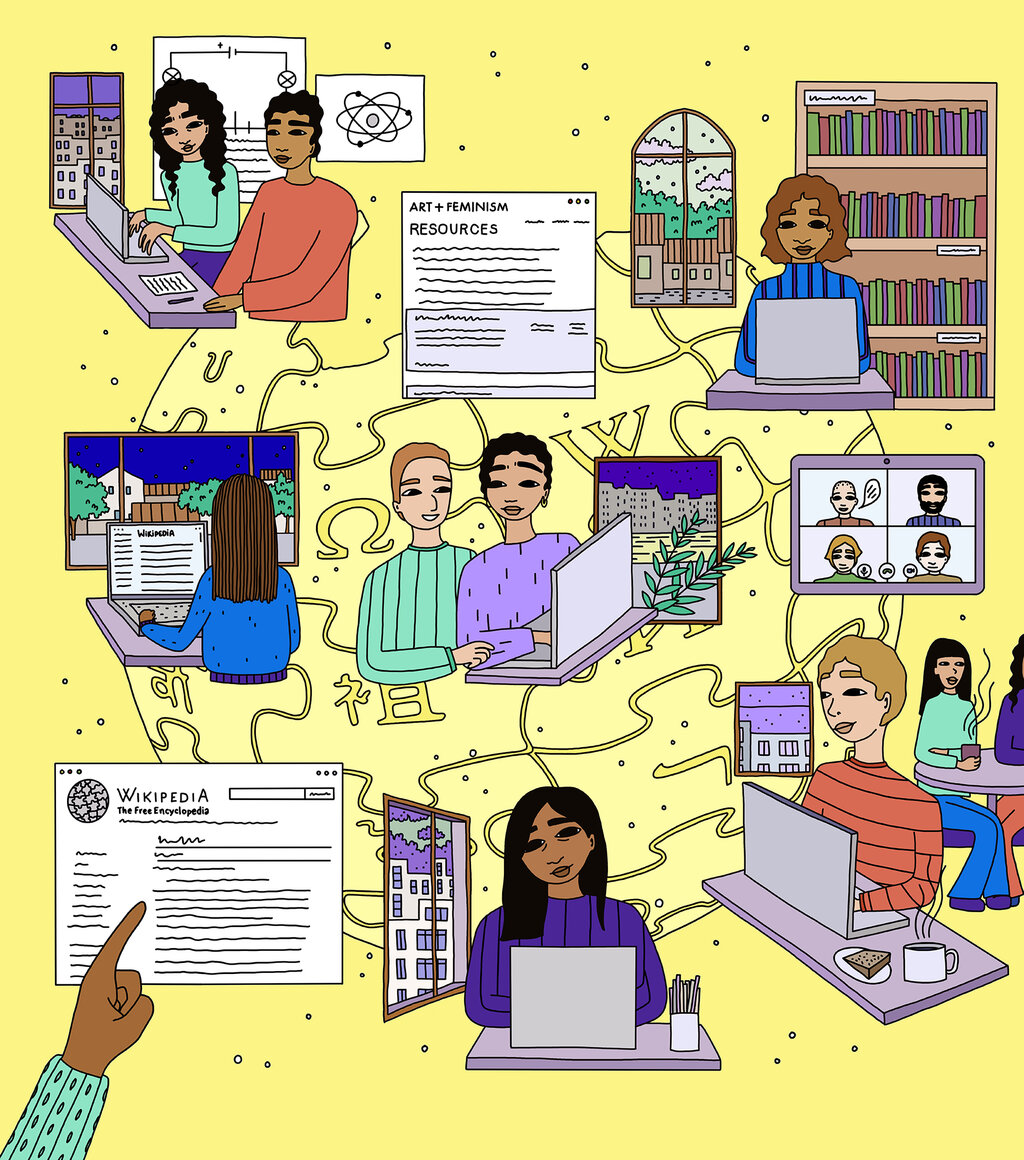
But remote work has its challenges. Working alone can lead to feelings of isolation and disconnection from your team. Communication can be trickier when you can't just walk over to a colleague's desk. Misunderstandings can happen more easily over text-based channels like Slack or email. There's also the risk of burnout. When your home is also your office, the lines between work and personal life can blur, making it hard to unplug.
Remote work requires a new or updated skill set, and to have a thriving remote career and make more money in your remote job, you need to have a balanced combination of technical, interpersonal, and self-management skills.
The Remote Work Landscape
The landscape of work is changing fast. Many companies are now "remote-first," meaning remote work is the default, not the exception. Others have adopted a hybrid model, where employees split their time between the office and a remote location. This shift is part of a larger trend called digital transformation, where businesses integrate technology into all areas of their operations to become more efficient and flexible.
Remote work isn't just a perk anymore. For many companies, it's a core part of their strategy to attract and retain talent.
This has created different structures for how teams work. Understanding these models is key to understanding the modern workplace.
As a result, skills in digital communication, self-management, and familiarity with online collaboration tools are no longer optional. They are fundamental requirements for succeeding in a wide range of industries that have embraced remote or hybrid work.
What is the fundamental shift in the concept of work that remote work represents?
According to the provided text, what is a primary benefit of remote work for an employee?
Understanding what remote work is, along with its benefits and drawbacks, is the first step in navigating the modern job market.