Remote-First Job Search
Understanding Remote Work
What Is Remote Work?
Remote work is any work you do without commuting to a central office. Instead of a shared physical space, you might work from home, a co-working space, or a coffee shop. Your team connects and collaborates using digital tools.
For decades, this was a rare setup. But advances in internet speed and collaboration software made it more and more possible. Today, it's a common way for companies and employees to operate, offering flexibility that a traditional office setting can't.
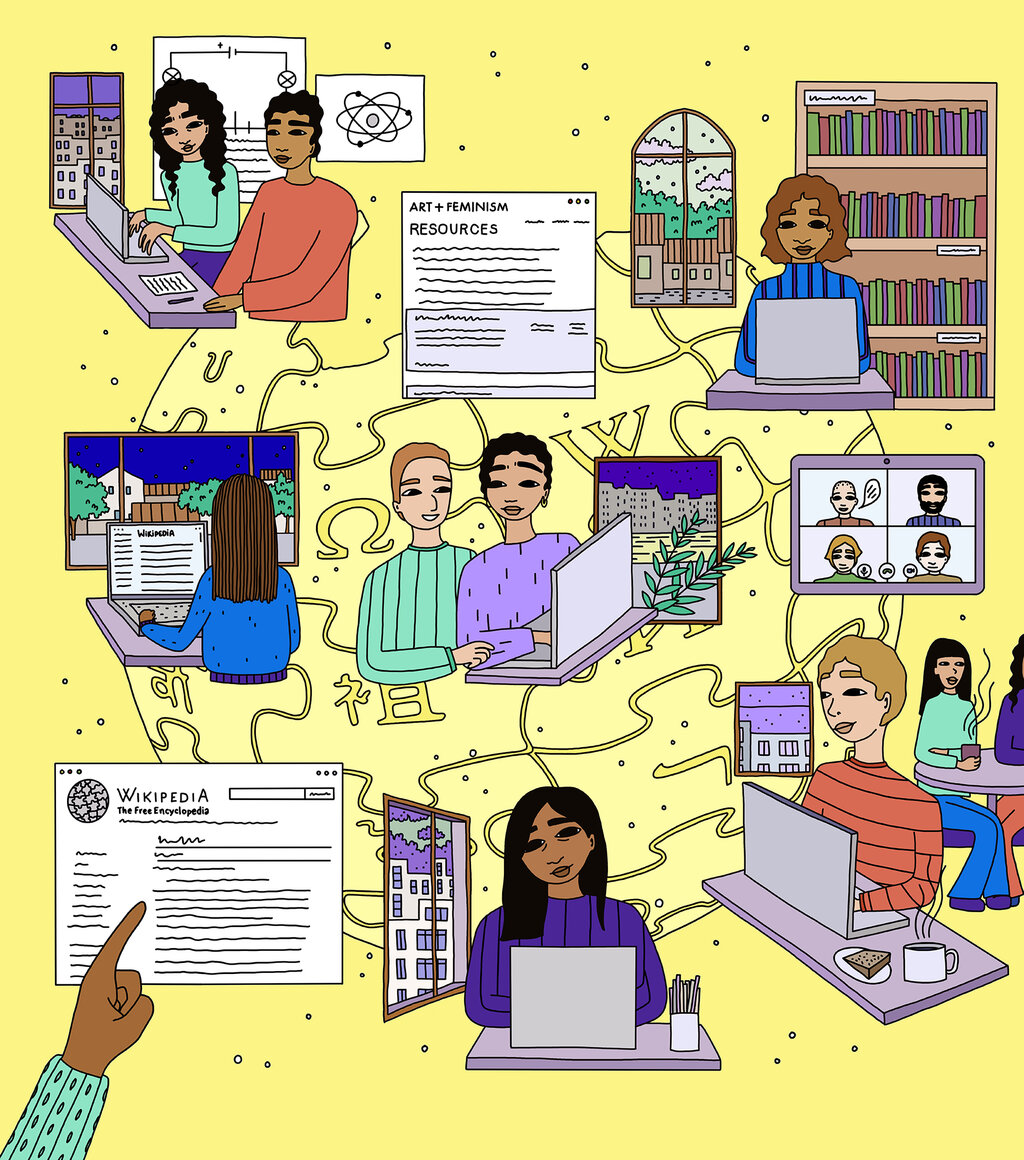
The benefits are clear. You gain autonomy over your schedule and work environment, and you save time and money by eliminating a daily commute. But it’s not without its challenges. Working alone can feel isolating, and it can be tough to unplug when your home is also your office. Without face-to-face interaction, communication requires more deliberate effort.
Company Culture Matters
Not all companies approach remote work the same way. The two most common models are remote-friendly and remote-first. Understanding the difference is crucial because it shapes your entire work experience.
A remote-friendly company has a physical office as its main hub but allows some employees to work from home. Its processes and culture are often built around in-person interaction. Remote employees might feel out of the loop.
A remote-first company, on the other hand, operates as if everyone is remote. All processes, from meetings to project management, are designed to work for a distributed team. This creates a more level playing field for every employee, regardless of their location.
| Feature | Remote-First | Remote-Friendly |
|---|---|---|
| Communication | Asynchronous is standard (e.g., chat, documents) | Synchronous is common (e.g., in-person meetings) |
| Hiring | Talent is sourced from anywhere | Hiring is often limited to specific regions |
| Career Growth | Equal opportunities for all employees | In-office employees may have an advantage |
| Decision Making | Happens online and is well-documented | Key decisions might happen in office hallways |
Skills for Success
Thriving in a remote environment requires a specific set of skills that go beyond your core job duties. Because your manager isn't looking over your shoulder, you need to be a reliable and proactive team member on your own.
Success in a remote role boils down to three things: self-discipline, clear communication, and excellent time management.
Self-discipline is your internal motor. It's the ability to stay focused and motivated without external pressure. This means setting a routine, minimizing distractions, and holding yourself accountable for deadlines.
Communication in a remote setting is intentional. Since you can't rely on body language or quick chats by the water cooler, your writing must be clear and concise. You'll need to be proficient at giving updates, asking questions, and sharing feedback through digital channels.
Time management is about structuring your day for productivity. This involves prioritizing tasks, setting boundaries to avoid burnout, and being aware of your colleagues' time zones. It's not just about managing your time, but about respecting everyone else's.
The Remote Work Toolkit
Technology is the backbone of remote work. While every company has its preferred set of tools, most fall into a few key categories.
Video Conferencing Platforms: Tools like Zoom, Google Meet, and Microsoft Teams are the virtual meeting rooms. They're used for everything from daily check-ins to company-wide presentations.
Collaboration and Communication Hubs: These are the digital offices where daily conversations happen. Platforms like Slack and Microsoft Teams allow for real-time messaging, file sharing, and team-specific channels, keeping everyone connected.
Project Management Software: To keep work organized and transparent, teams rely on tools like Asana, Trello, or Jira. These platforms allow everyone to see project timelines, track task progress, and understand who is responsible for what.
To stand out at a time like today when the demand for remote-based jobs outstrips the supply, it helps to be competent with the digital tools necessary for success as a remote worker.
Familiarity with these tools is often a prerequisite for a remote job. They are what make it possible for teams to collaborate effectively across distances.
Now, let's test your understanding of these core concepts.