Remote-First Job Search
Understanding Remote Work
What Is Remote Work?
Remote work is any work you do without commuting to a central office. Instead of sitting at a desk in a company building, you might work from your home, a coffee shop, or a coworking space. The key is that you're not physically present with your team every day.
This isn't a new idea. The term "telecommuting" has been around since the 1970s, describing people working from home terminals connected to a corporate mainframe. But back then, it was rare. The rise of personal computers, and more importantly, the internet, changed everything. Suddenly, sending files, collaborating on documents, and holding meetings could happen from anywhere with a stable connection.
Today, remote work can be fully remote (the company has no physical office), hybrid (employees split time between the office and home), or flexible (employees choose where they work).
The Upsides of Working Remotely
The shift toward remote work has accelerated for a simple reason: it offers compelling benefits to both employees and employers. For employees, the advantages often revolve around flexibility and autonomy.
Imagine reclaiming the hours you used to spend in traffic. That time can be used for exercise, family, or hobbies. Remote work can also offer a quieter, more focused environment than a busy open-plan office. This freedom to design your own workday is a major draw for many people.
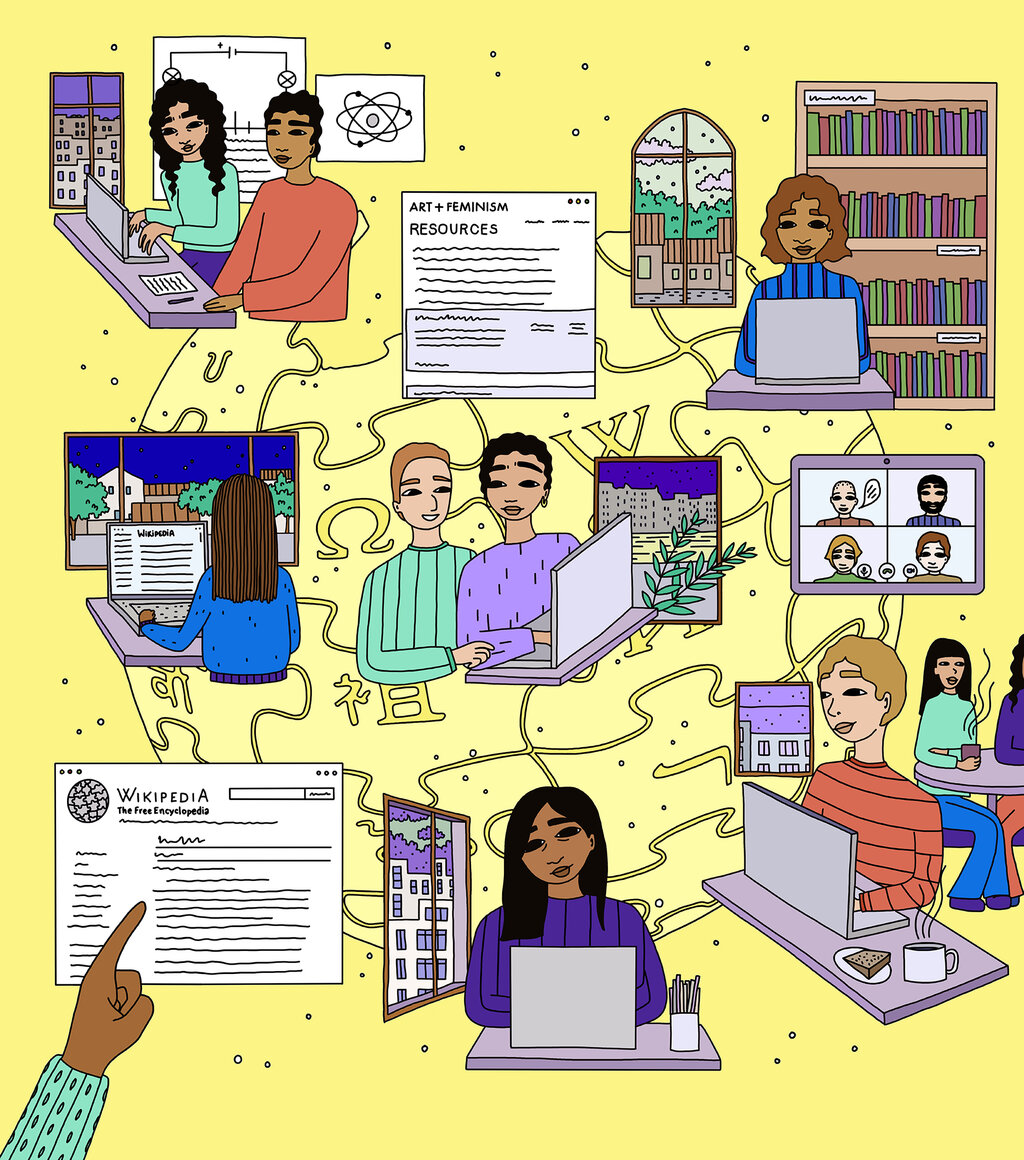
Companies also see significant gains. One of the biggest is access to a wider talent pool. When hiring isn't limited by geography, a company in a small town can hire the best person for the job, even if they live across the country or on another continent. This also opens the door to a more diverse workforce.
Additionally, companies can save money on office space, utilities, and other overhead costs. Many also report that remote employees are more productive and have higher job satisfaction, leading to lower turnover rates.
Navigating the Challenges
Of course, remote work isn't without its difficulties. Without the casual interactions of an office, it's easy to feel isolated. Communication can become a hurdle, as you lose the nuances of face-to-face conversation. And for some, the line between work and home life can blur, leading to burnout.
Successful remote teams tackle these issues head-on. They build intentional processes for communication and social connection. This might mean scheduled virtual coffee chats, clear documentation practices so everyone stays informed, and established 'core hours' when everyone is expected to be online.
| Challenge | Common Solution |
|---|---|
| Loneliness & Isolation | Schedule regular, informal video calls with teammates. |
| Communication Gaps | Over-communicate in writing; create a central hub for important information. |
| Difficulty Unplugging | Set clear start and end times for your workday and stick to them. |
| Home Distractions | Create a dedicated workspace, even if it's just a corner of a room. |
Mastering the tools for digital collaboration is no longer just a nice-to-have skill; it's a fundamental requirement for thriving in a remote environment.
The Remote Work Landscape
The world of work has changed dramatically. While remote work was a growing trend for years, it became a widespread reality in the early 2020s. Now, many companies have adopted remote-first or hybrid models for the long term.

Statistics show that job postings for remote positions have increased significantly across nearly every industry, from tech and marketing to customer support and education. This isn't a temporary fad; it's a fundamental shift in how we think about where and how work gets done. Understanding this new landscape is the first step toward finding your place in it.
Ready to check your understanding? Let's see what you've learned.
What is the key characteristic of remote work?
According to the text, what is a primary benefit for employers who hire remote workers?
Now that you have a solid foundation, you can start thinking about how these concepts apply to your own career goals.