Remote-First Job Hunting
Understanding Remote Work
More Than Just Working From Home
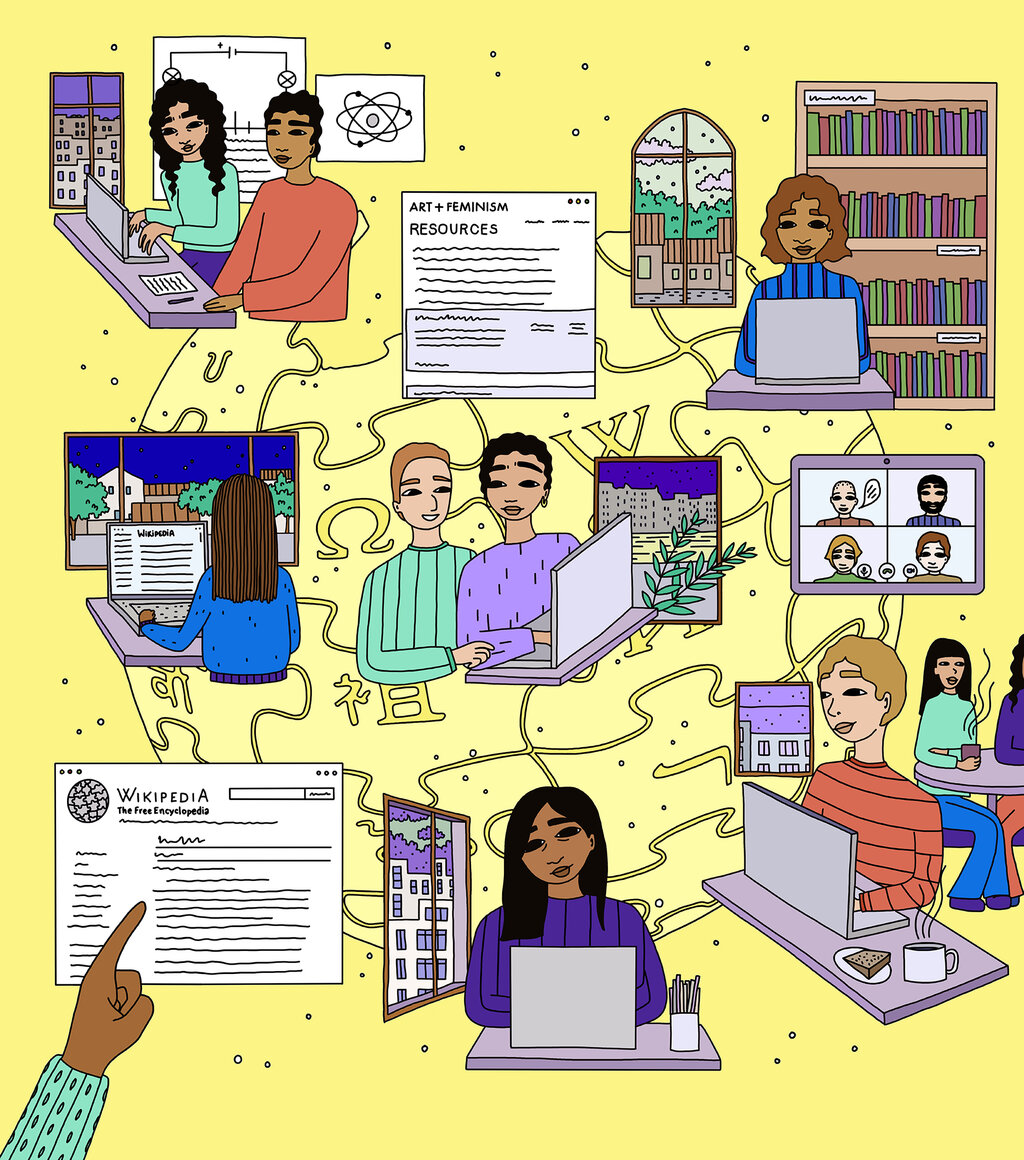
Remote work means doing your job from a location other than a central office. It’s not just about working from your kitchen table; it could be from a coffee shop, a co-working space, or even another country. The key is that your physical presence in an office isn’t required to get your work done.
This idea isn't new. The term "telecommuting" was coined in the 1970s, but it was a niche concept for decades. The rise of the internet and powerful personal computers slowly made it more practical. Then, events in the 2020s dramatically accelerated the trend, turning remote work from an exception into a mainstream option for millions of people.
The Benefits and Challenges
Working remotely offers a lot of freedom, but that freedom comes with its own set of responsibilities and potential downsides. Understanding both sides helps you decide if it's the right fit for you.
| Benefits | Challenges |
|---|---|
| Flexibility in your schedule and location | Isolation and less social interaction |
| No commute, saving time and money | Communication hurdles without face-to-face cues |
| More autonomy over your work environment | Difficulty unplugging and maintaining work-life balance |
| Access to a global job market | Requires strong self-discipline and time management |
Remote-First vs. Remote-Friendly
As you look at remote jobs, you'll see companies describe themselves in different ways. The terms "remote-first" and "remote-friendly" sound similar, but they represent very different company cultures.
A remote-friendly company has a physical office as its main hub, but allows employees to work from home some or all of the time. The risk is that remote employees can feel like second-class citizens, missing out on important decisions made in the office.
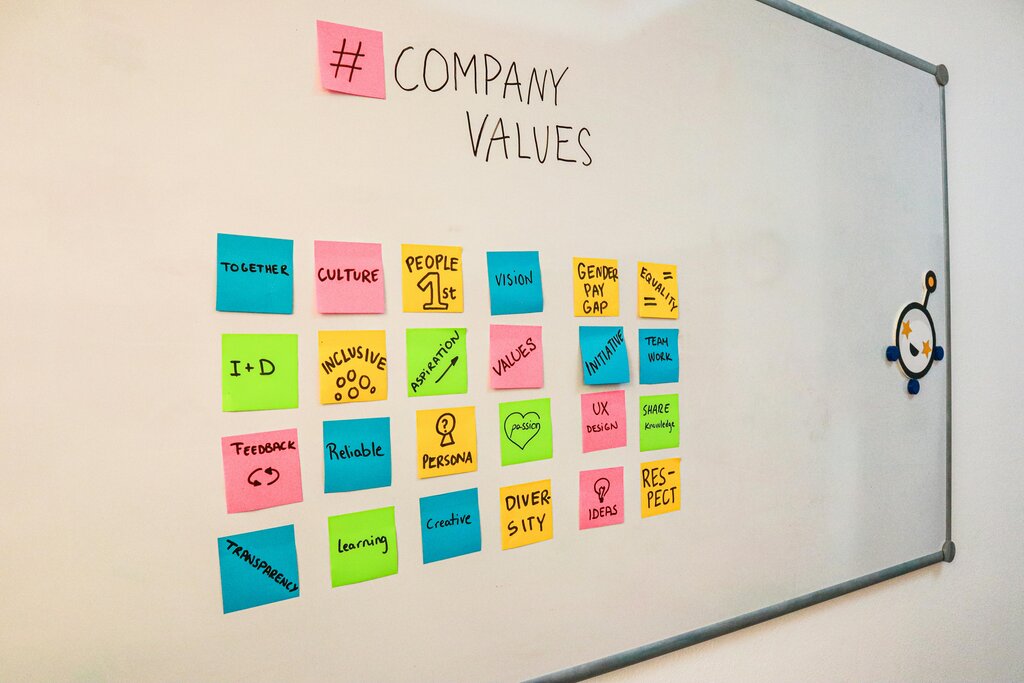
A remote-first company, on the other hand, operates as if everyone is remote. All communication, processes, and tools are designed for a distributed team. This creates a more level playing field, whether you live next door to a company office or halfway across the world. In these organizations, the primary mode of work is asynchronous, meaning work doesn't need to happen at the same time for everyone.
Skills for Remote Success
Thriving in a remote role requires more than just being good at your specific job. Employers look for candidates who have a set of skills suited for working independently and collaboratively online.
The most important skills are not technical, but behavioral. They show an employer you can be trusted to work productively without direct supervision.
Here are some of the key traits employers seek:
-
Excellent Written Communication: So much of remote work happens in writing—emails, chat messages, and documents. Being clear and concise is crucial.
-
Self-Discipline and Time Management: Without a boss looking over your shoulder, you need to manage your own schedule and stay on task.
-
Proactive Communication: You can't rely on bumping into someone in the hallway. You need to be proactive about asking questions, giving updates, and reaching out to colleagues.
-
Adaptability: Remote work environments can change quickly. Being able to adapt to new tools, processes, and team structures is essential.