Religious Conflict in Pakistan
Historical Context
The Birth of a Nation
The story of Pakistan begins with the end of British rule in India. In the years leading up to 1947, the idea of a single, independent India for all was challenged by the "two-nation theory." This was the belief, championed by leaders like Muhammad Ali Jinnah and the All-India Muslim League, that Hindus and Muslims were fundamentally distinct nations. They argued that Muslims needed their own homeland to protect their culture, religion, and political interests.
This argument gained momentum, and the British government ultimately agreed to divide the subcontinent. The 1947 Indian Independence Act carved out two new independent dominions: India, with a Hindu majority, and Pakistan, for the Muslim majority. Pakistan itself was a geographical puzzle, split into two parts: West Pakistan and East Pakistan (which would later become Bangladesh), separated by over a thousand miles of Indian territory.
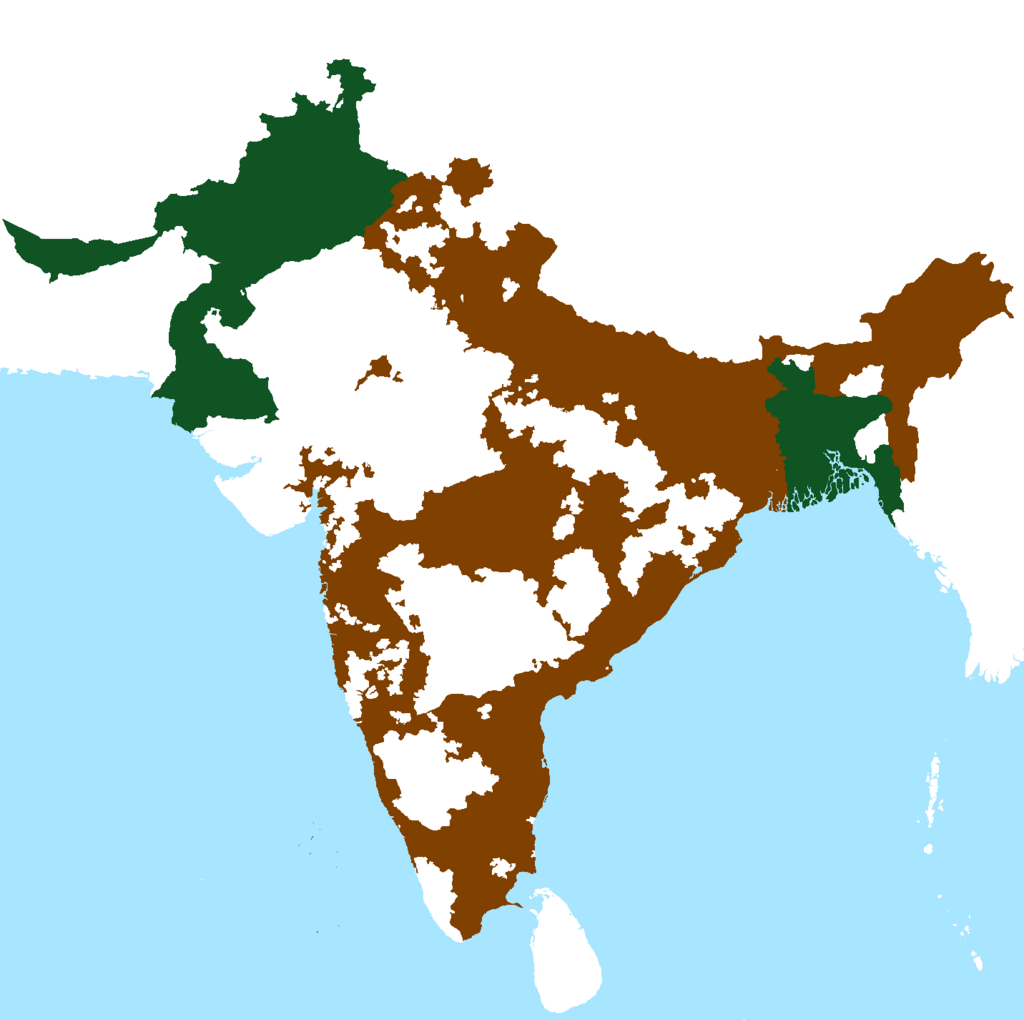
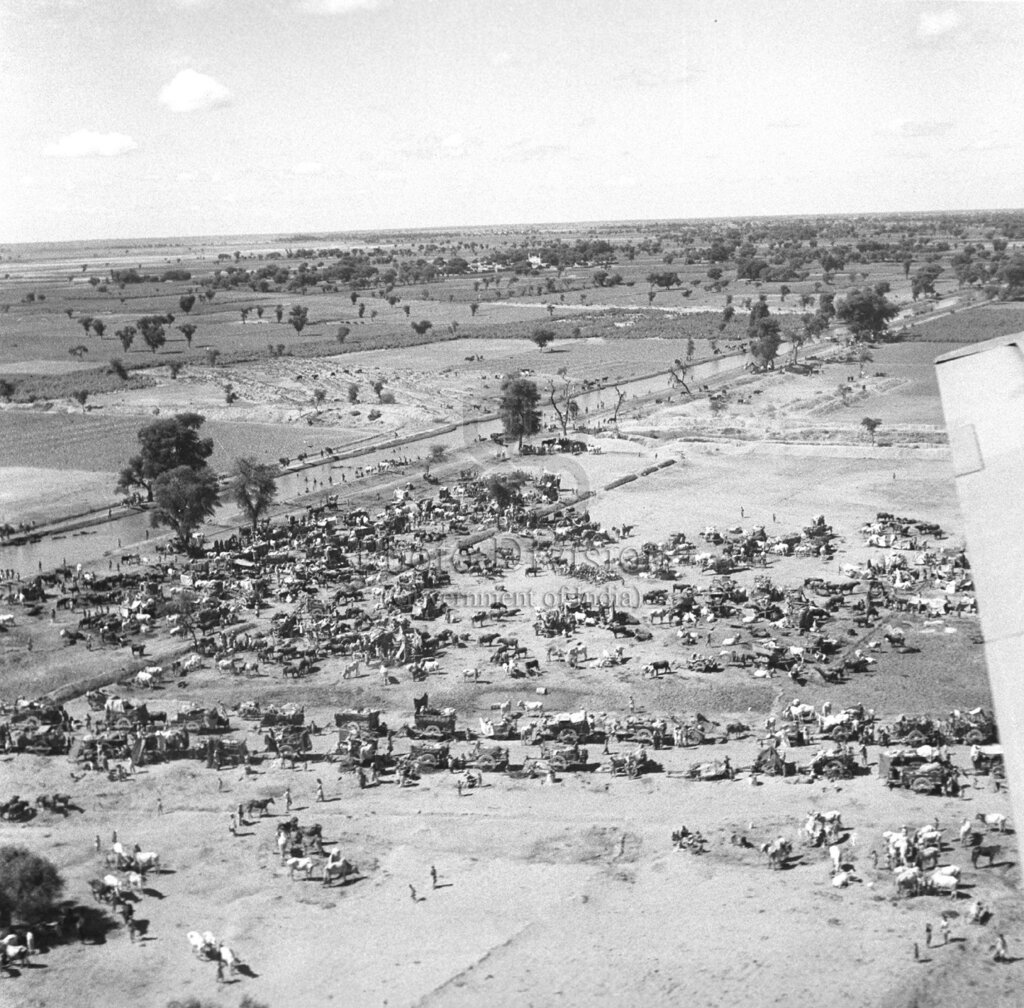
This division, known as the Partition, was not a clean or peaceful process. It triggered one of the largest and most violent human migrations in history. Millions of Muslims trekked to Pakistan, while millions of Hindus and Sikhs moved to India. The journey was perilous, and widespread communal violence erupted, leaving a deep and lasting scar on the region.
A State Built on Faith
From its inception, Islam was central to Pakistan's identity. The very reason for its creation was to be a homeland for the Muslims of British India. This foundational idea quickly moved from a concept to a constitutional reality. In 1949, the Constituent Assembly passed the Objectives Resolution, a document that declared the future principles of the state.
It established that sovereignty over the entire universe belongs to God alone, and the authority He has delegated to the state of Pakistan is a sacred trust. This resolution became the preamble to all of Pakistan's constitutions, embedding Islam into the country's legal and political DNA.
Key Islamic Provisions in Pakistan's Constitution: • The President and Prime Minister must be Muslim. • All existing laws must be brought into conformity with the injunctions of Islam. • No law can be passed that is repugnant to the teachings of the Quran and Sunnah.
To ensure these principles were upheld, the constitution established bodies like the Council of Islamic Ideology. This council's role is to advise the government on whether laws are compliant with Islamic principles. This framework cemented the role of Islam not just as a state religion, but as the guiding force for the nation's laws and governance.
Faith Enters the Fray
With a state founded on religious identity, it was natural for religious political parties to emerge. Groups like Jamaat-e-Islami (JI) and Jamiat Ulema-e-Islam (JUI) formed in the country's early years. Their primary goal was to ensure that Pakistan lived up to its Islamic ideals and did not become a secular state in anything but name.
Initially, their political influence was limited. However, during periods of political instability and military rule, these parties often found their power growing. Leaders would sometimes align with them to gain legitimacy and popular support. This was most pronounced during the military dictatorship of General Zia-ul-Haq from 1977 to 1988.
Zia embarked on an aggressive policy of "Islamization," enacting laws and promoting a conservative version of Islam throughout society. This period dramatically increased the visibility and influence of religious parties, embedding them deeply into the political landscape. They became key players in shaping national policy, public discourse, and the very definition of Pakistani identity.
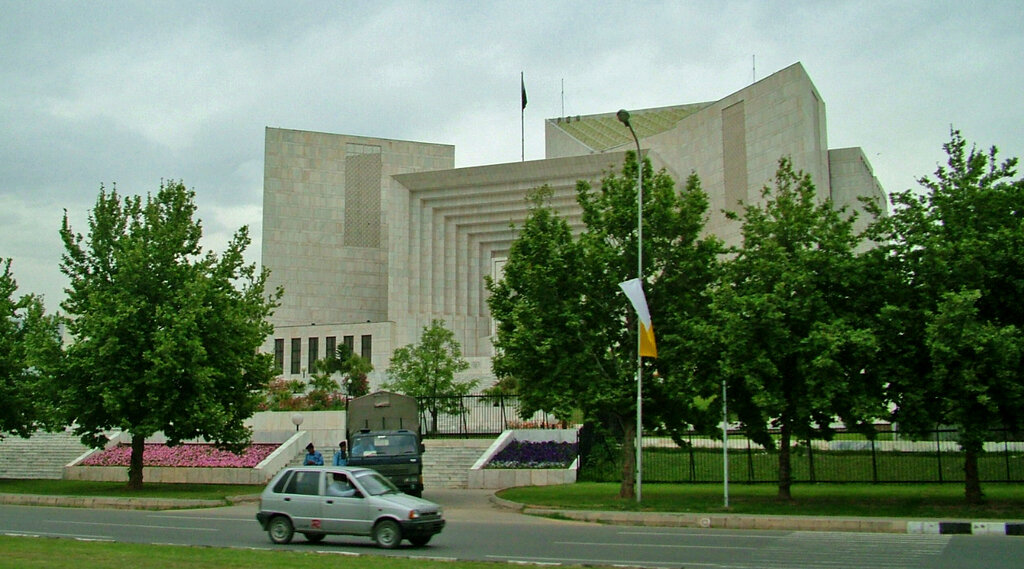
This combination of a partition based on religious identity, a constitution built on Islamic principles, and the active participation of religious parties created a unique political environment. It set the stage for decades of debate and conflict over the soul of the nation and the role religion should play within it.
What was the foundational principle of the "two-nation theory" that led to the creation of Pakistan?
What was the main purpose of the 1949 Objectives Resolution in Pakistan?