Relieve Hip Tightness
Hip Anatomy
The Bones of the Hip Joint
The hip is one of the body's largest and most powerful joints. It's a classic ball-and-socket joint, which gives it a huge range of motion. This design allows you to walk, run, and jump.
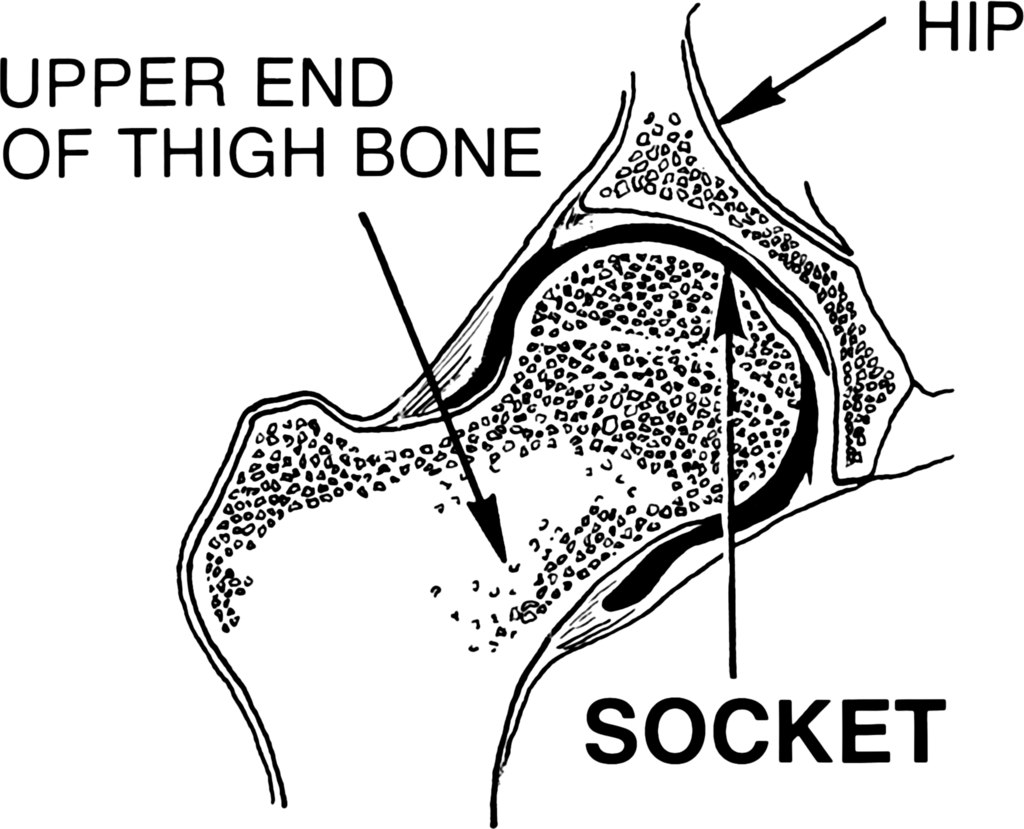
The “ball” is the femoral head, which is the rounded top of your femur, or thigh bone. The “socket” is the acetabulum, a cup-like depression in your pelvis. The surfaces of both the ball and socket are covered with smooth articular cartilage. This slick, rubbery tissue allows the bones to glide against each other with very little friction.
Acetabulum
noun
The cup-shaped socket of the hip bone, into which the head of the femur fits.
Muscles That Power Movement
Bones provide the structure, but muscles provide the force to move them. The muscles surrounding the hip are organized into groups based on the movements they produce.
The main movements of the hip are flexion (bending), extension (straightening), abduction (moving away from the body), adduction (moving toward the body), and rotation (turning inward or outward).
The hip flexors are at the front of your hip. They pull your knee up toward your chest, like when you're marching. The main muscle here is the iliopsoas.
The gluteal muscles are on the back and sides of your hip. The gluteus maximus, the largest muscle in the body, is responsible for hip extension—the powerful push-off when you run or climb stairs. The gluteus medius and minimus are on the side of the hip and are key for stabilization and abduction, or moving your leg out to the side.
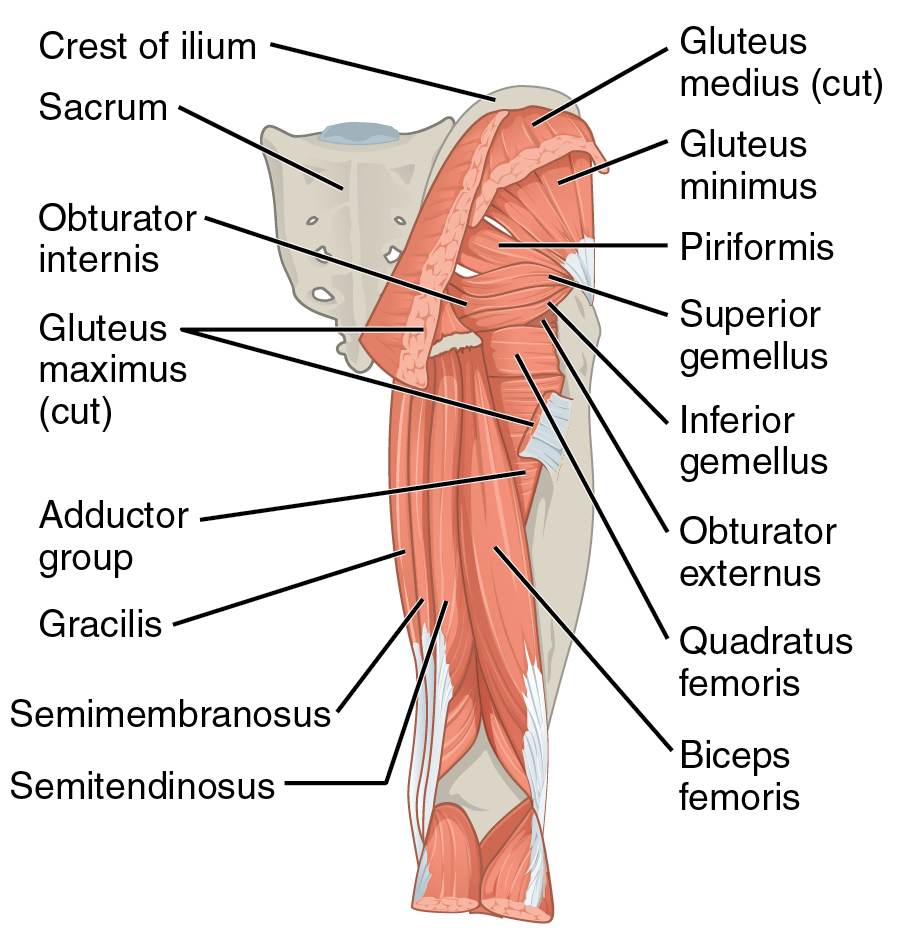
The adductor muscles are located on your inner thigh. As their name suggests, they perform adduction, which is the motion of pulling your leg back toward the center line of your body.
The Supporting Connective Tissues
To keep the joint stable and connect muscle to bone, the hip relies on a network of strong connective tissues.
Ligament
noun
A short band of tough, flexible fibrous connective tissue which connects two bones or cartilages or holds together a joint.
Ligaments are like tough, fibrous ropes that connect bone to bone. They wrap around the hip joint to form a joint capsule, which provides incredible stability. The strongest ligament in the human body, the iliofemoral ligament, is found here. It's so strong it prevents the hip from hyperextending when you stand.
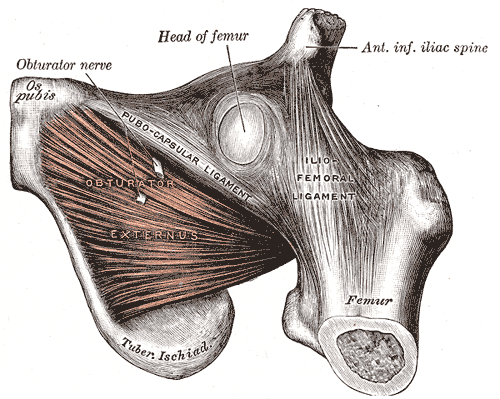
Tendons, on the other hand, attach muscles to bones. Every muscle that crosses the hip joint has a tendon at its end that anchors it to either the pelvis or the femur. For example, the gluteus maximus attaches to the femur via a large tendon.
Improving hip flexibility and mobility through dynamic stretching, active joint mobilization, and controlled movements can help restore proper function and reduce pain.
The hip is a marvel of engineering, balancing a wide range of motion with the stability needed to support your entire body weight. Understanding its parts helps appreciate the complexity of simple movements we perform every day.