Regulatory Impact Analysis Explained
Introduction to Regulatory Impact Analysis
Before the Rules Are Written
Governments create regulations to solve problems, from protecting the environment to ensuring workplace safety. But how do they know if a new rule will actually help more than it hurts? That's where Regulatory Impact Analysis, or RIA, comes in.
Think of it as a systematic deep dive into the potential consequences of a proposed regulation. Before a new rule is put into place, an RIA examines its likely effects, both good and bad. The main goal is to provide decision-makers with clear, evidence-based information so they can choose the best course of action.
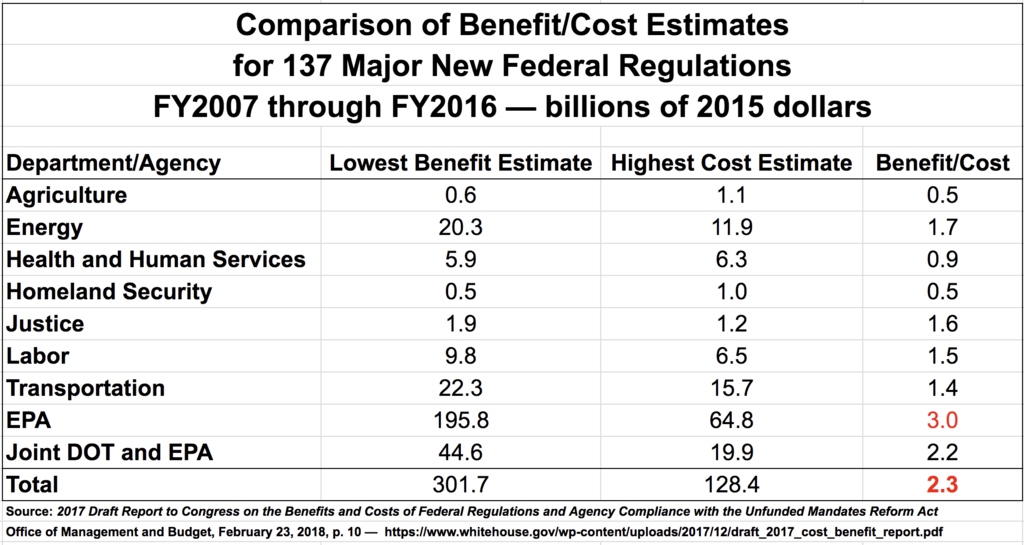
At its core, RIA is about answering a simple question: Do the expected benefits of this regulation outweigh the expected costs?
This process isn't just about crunching numbers. It’s about understanding how a regulation will ripple through society. It considers the impact on businesses, consumers, government agencies, and the environment. By weighing these different effects, RIA helps ensure that new regulations are effective, efficient, and justified.
Key Components of an RIA
While every RIA is different, most follow a similar structure to ensure a thorough and consistent analysis. It’s a multi-step process that builds a complete picture of a regulation's potential impact.
Let's break these down:
-
Problem Definition: The analysis starts by clearly defining the problem the regulation aims to solve. What is the harm or inefficiency that needs to be addressed? Without a clear problem statement, it's impossible to design an effective solution.
-
Identifying Alternatives: This step involves brainstorming different ways to tackle the problem. One option is always the status quo, or doing nothing. Other alternatives might include non-regulatory approaches like information campaigns, market-based solutions, or different levels of regulation (e.g., a strict ban versus a flexible standard).
-
Impact Assessment: This is the heart of the RIA. Here, analysts evaluate the potential costs and benefits of each alternative. This includes economic costs for businesses, social impacts on communities, and environmental effects. The goal is to compare the alternatives and identify which one offers the largest net benefit to society.
-
Consultation: An RIA isn't just an internal government exercise. It involves consulting with the public and stakeholders, such as industry groups, non-profits, and experts. This feedback helps ensure the analysis is comprehensive and considers all relevant viewpoints.
By following this structured process, policymakers can make more informed, transparent, and accountable decisions about the rules that shape our lives.