Regulating Artificial Intelligence
Introduction to AI Regulation
Why We Need Rules for AI
Artificial intelligence is rapidly changing our world, from how we work to how we connect with each other. As this technology becomes more powerful, conversations about how to manage it are growing louder. This is where AI regulation comes in.
AI regulation isn't about halting progress. It's about creating a set of rules, guidelines, and laws to ensure that AI systems are developed and used safely, ethically, and for the benefit of humanity. Think of it like traffic laws for cars. They don’t stop us from driving; they just make sure we do it in a way that’s safe and orderly for everyone on the road. The goal is to steer innovation in a positive direction, maximizing the benefits while minimizing potential harm.
The scope is broad, covering everything from the data used to train AI models to the transparency of their decision-making processes and the accountability for their actions.
From Theory to Reality
The idea of artificial intelligence has been around for decades, starting as a field of academic speculation and science fiction. For a long time, AI was confined to research labs, capable of performing narrow, specific tasks under controlled conditions.
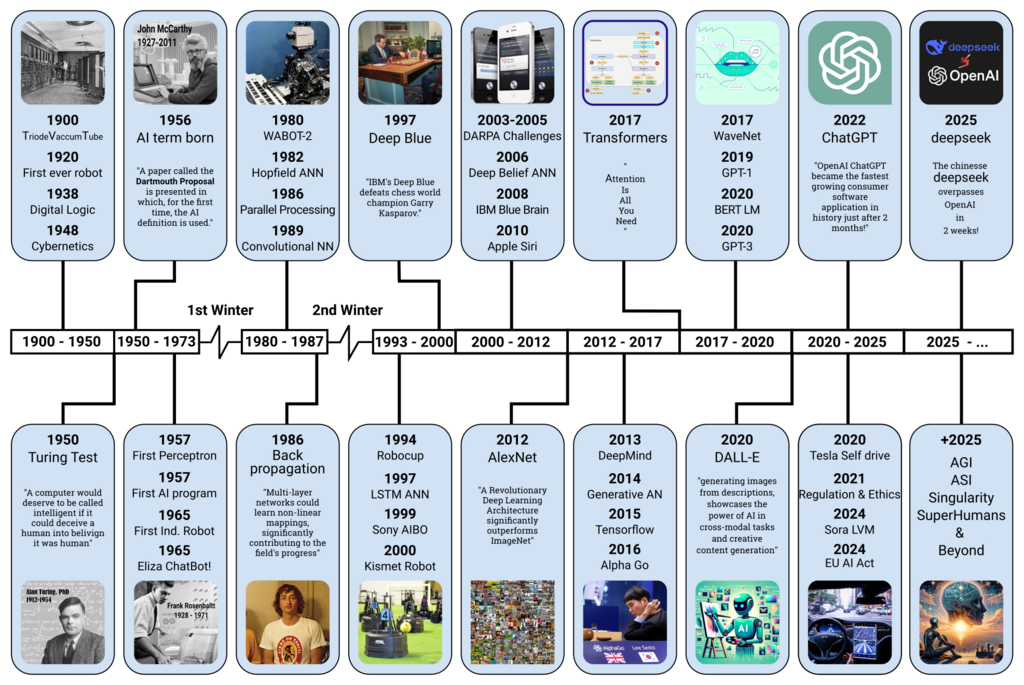
But in recent years, breakthroughs in computing power and the availability of massive datasets have catapulted AI from the theoretical to the practical. Today, AI is embedded in everyday technologies like navigation apps, recommendation engines, and virtual assistants. This shift from a niche academic field to a powerful, widespread technology is the primary reason regulation has become such an urgent topic.
The Ethics of the Algorithm
Powerful tools bring complex questions. With AI, these questions are often ethical. Since AI systems learn from data, they can inherit and even amplify the biases present in that data. For example, if an AI is trained on historical hiring data that reflects past discrimination, it might learn to unfairly favor certain candidates over others.
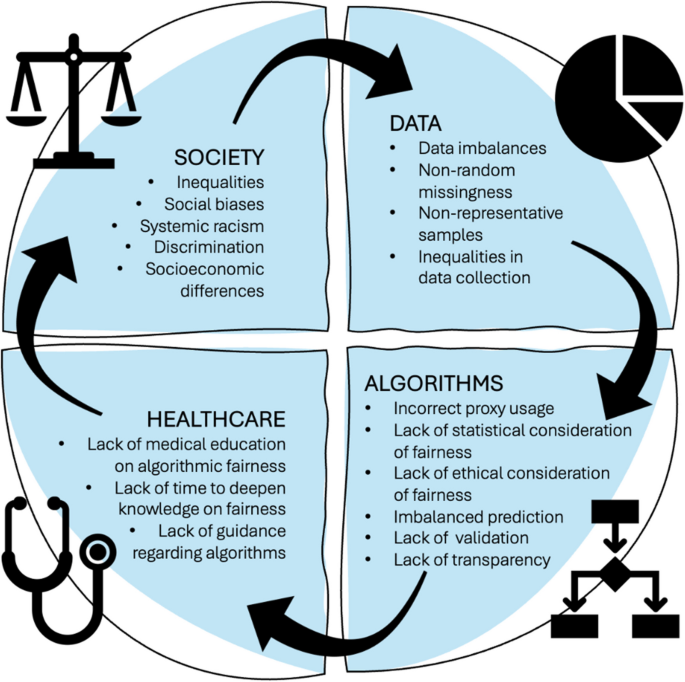
Beyond bias, other ethical concerns include privacy, as AI systems often require vast amounts of personal data to function, and accountability—who is responsible when an AI system makes a mistake? These challenges have significant societal impacts, affecting everything from job markets and economic equality to personal autonomy and the spread of information.
Without thoughtful oversight, AI could deepen existing social divides or create new problems. This is why understanding the societal context is a critical first step in shaping effective policy.
Deeper understanding of the social impacts of AI in diverse social settings is a necessary precursor to the development, implementation, and monitoring of responsible and beneficial AI technologies, and forms the basis for meaningful regulation of these technologies.
Who Is at the Table?
Regulating AI isn't a job for one group alone. It requires collaboration among a diverse set of stakeholders, each bringing a unique perspective to the table.
Governments are responsible for creating laws and policies. Tech companies and other private sector entities are on the front lines of developing and deploying AI, giving them crucial insights into the technology's capabilities and risks. Researchers and civil society groups act as watchdogs, studying AI's impacts and advocating for the public good. Finally, international organizations work to create global standards, which is important for a technology that knows no borders.
Bringing these groups together is essential for creating balanced and effective frameworks that foster responsible innovation while protecting society.
Ready to test your understanding of these foundational concepts?
What is the primary goal of AI regulation, as illustrated by the 'traffic laws' analogy?
What has been the main driver behind the recent and urgent need for AI regulation?
Understanding these core ideas—the what, why, and who of AI regulation—provides the foundation for exploring the specific ways we can guide this powerful technology toward a beneficial future.