Regression Discontinuity Design Explained
Introduction to Causal Inference
The Quest for 'Why'
We're constantly trying to connect the dots. Does drinking coffee in the morning actually cause you to be more productive? Does a new fertilizer cause crops to grow taller? This hunt for cause and effect is the core of causal inference. It’s the process of figuring out if a specific action or condition is truly responsible for an observed outcome.
Causal inference isn't just about seeing if two things are related; it's about determining if one thing makes the other happen.
This might sound simple, but it's one of the trickiest challenges in research. Our world is messy and full of interconnected factors. The goal is to isolate a single relationship and say with confidence, "Yes, A causes B."
Correlation Is Not Causation
You've likely heard this phrase before, and it's the most important rule in causal inference. Just because two things happen at the same time or follow the same pattern doesn't mean one causes the other. This is called a correlation.
A classic example is the link between ice cream sales and crime rates. When ice cream sales go up, so does crime. Do people get aggressive after eating a scoop of mint chip? No. There's another factor at play: hot weather. When it's hot, more people buy ice cream, and more people are out and about, creating more opportunities for crime. The heat is a confounding variable.
confounding
adjective
An unobserved variable that influences both the supposed cause and the supposed effect, creating a misleading association.
A confounding variable can create a false impression of a direct link between two other variables. The real cause is hiding in the background, pulling the strings on both.
How We Find the Cause
So, how do researchers cut through the noise of correlations and confounding variables to find true causal links? There are two main approaches: the gold standard and the next best thing.
The research design most conducive to drawing causal inference is the randomized control trial (RCT), where subjects are randomly assigned to treatment and control groups.
In a Randomized Controlled Trial (RCT), researchers create two or more groups that are, on average, identical. One group, the treatment group, receives the intervention being studied (like a new drug). The other, the control group, does not. Because the only significant difference between the groups is the intervention, any change in the outcome can be confidently attributed to it. Random assignment is the key—it washes out the effects of confounding variables.
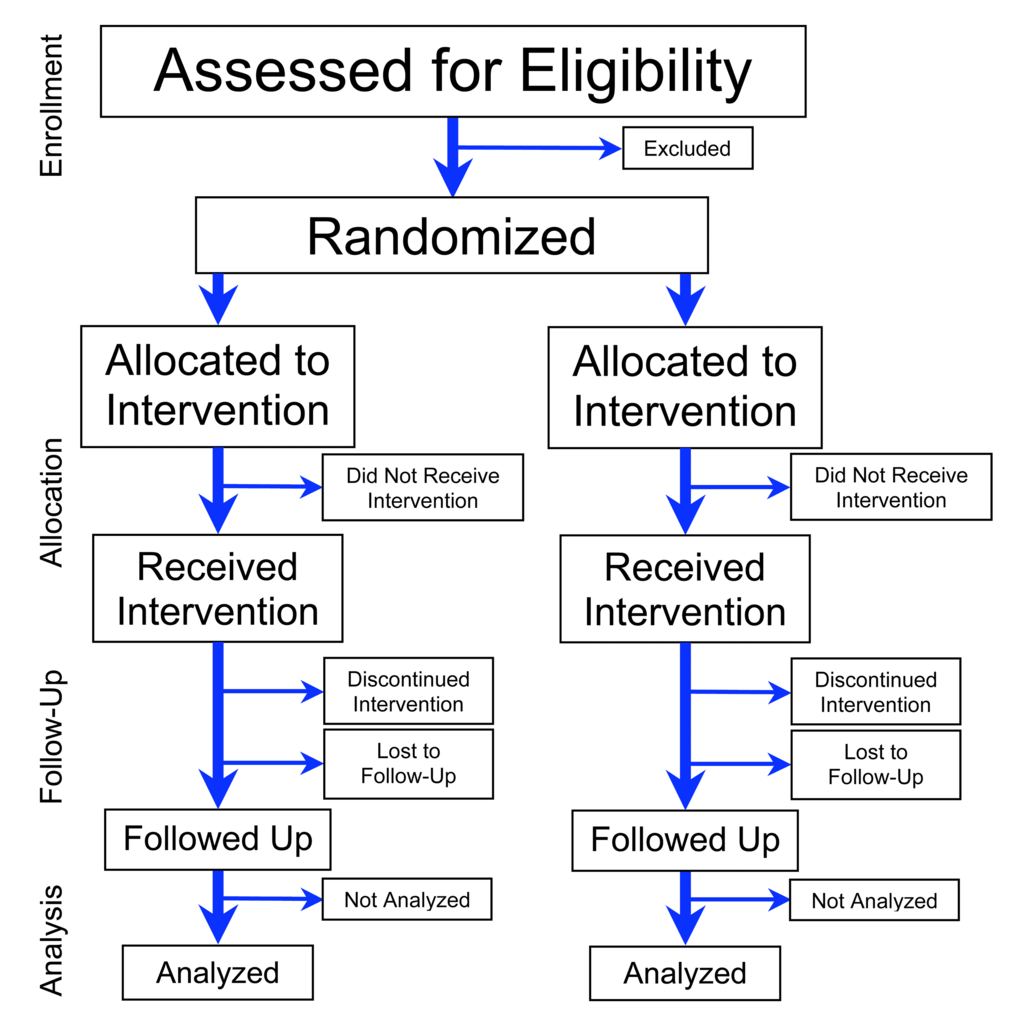
But we can't always run an RCT. It might be unethical (you can't randomly assign people to start smoking) or impractical. In these cases, we rely on observational studies. Here, researchers observe the world as it is and use clever statistical methods to try and mimic the conditions of an RCT. They carefully analyze existing data, trying to account for all possible confounding factors to isolate the causal relationship they're interested in. Many powerful techniques, including the Regression Discontinuity Design you'll learn about soon, fall into this category.
Why It Matters
Understanding causality is critical. It's how we know which medicines actually cure diseases, which educational programs help students learn, and which economic policies promote growth. Without causal inference, we'd be stuck making decisions based on hunches and misleading correlations.
Now that you have a grasp of the fundamentals, you're ready to explore specific methods for uncovering these crucial cause-and-effect relationships.
What is the primary goal of causal inference?
A study finds that cities with more libraries have lower crime rates. Upon closer inspection, it's discovered that wealthier cities can afford to build more libraries and also have more resources for crime prevention. In this scenario, what is 'city wealth' an example of?