Regression Analysis Essentials
Introduction to Regression Analysis
Finding Relationships in Data
How much does an extra hour of studying improve your test score? If a company spends $10,000 more on advertising, how many more sales can it expect? These are questions about relationships between different factors, or variables. Answering them is the core idea behind regression analysis.
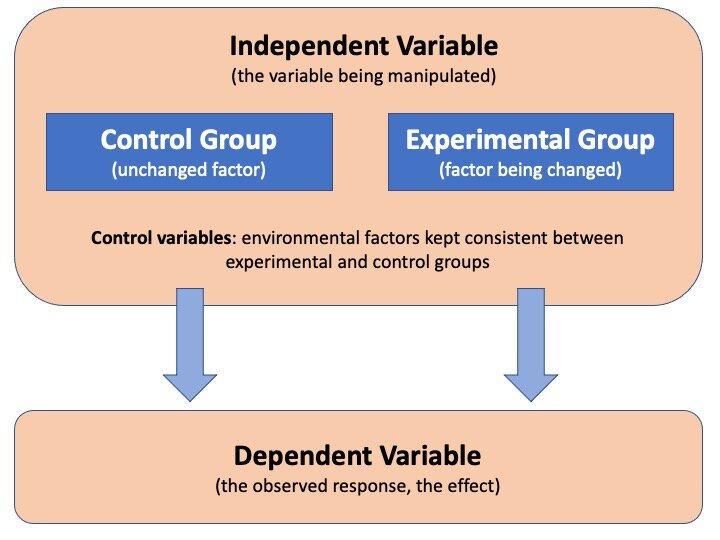
Regression analysis is a statistical method for modeling the relationship between a dependent variable and one or more independent variables.
Let's break that down. The dependent variable is the main thing you're trying to predict or understand, like a test score. The independent variables are the factors you believe have an influence on that outcome, like hours spent studying. Regression helps you measure how strong that influence is and use it to make predictions.
Regression in the Real World
Regression isn't just for academic research. It's a powerful tool used in many fields to make better decisions.
- Business: Companies use it to forecast sales based on things like marketing budgets, seasonality, and economic indicators.
- Finance: Banks can predict a customer's likelihood of defaulting on a loan based on their credit history, income, and debt.
- Healthcare: Researchers can model the relationship between a patient's characteristics (like age and weight) and the effectiveness of a new drug.
- Real Estate: An app might estimate a house's price by analyzing its square footage, number of bedrooms, and neighborhood.
In each case, the goal is the same: to use what we know (the independent variables) to make an educated guess about something we don't (the dependent variable).
A Peek at Different Models
Not all relationships are the same, so there are several types of regression models. While the math behind them can get complex, the concepts are straightforward.
| Model Type | What It Does | Example |
|---|---|---|
| Simple Linear Regression | Models the relationship between one independent and one dependent variable. | Predicting a person's weight based on their height. |
| Multiple Linear Regression | Uses two or more independent variables to predict an outcome. | Estimating a car's fuel efficiency using its engine size, weight, and horsepower. |
| Logistic Regression | Predicts a categorical outcome (like yes/no or true/false). | Determining if an email is spam based on its content and sender. |
Simple linear regression looks for a straight-line relationship. For example, as study hours increase, exam scores tend to increase in a relatively predictable line.
When one factor isn't enough, we use multiple linear regression. A house's price doesn't just depend on its size; the number of bathrooms and the age of the house also play a big role. Multiple regression lets us account for all these factors at once to make a more accurate prediction.
Logistic regression is different. Instead of predicting a number, it predicts a probability. For example, it might calculate a 95% chance that a credit card transaction is fraudulent based on the purchase amount, location, and time of day.
Understanding these basic types is the first step. Each is a tool designed for a specific kind of problem, helping us find the hidden patterns in data.
What is the primary goal of regression analysis?
A real estate company wants to predict a house's price based on its square footage, number of bedrooms, and location. In this model, what is the dependent variable?