Regional Chinese Cuisines
Introduction to Chinese Regional Cuisines
More Than One Chinese Food
Saying you're having "Chinese food" for dinner is a bit like saying you're eating "European food." It's technically true, but it misses the incredible diversity. China is a vast country with varied climates, landscapes, and histories, and its food reflects that. What people eat in the spicy, humid basins of Sichuan is worlds away from the fresh, coastal flavors of Guangdong.
The country's culinary landscape is shaped by its regional diversity, with different areas boasting their own unique ingredients, dishes, and cooking techniques.
There isn't just one Chinese cuisine; there are many. The most famous are often grouped into the "Eight Great Cuisines," each with its own distinct personality. Getting to know them is the first step in appreciating the true depth of Chinese cooking.
The Spicy Powerhouses
When people think of spicy Chinese food, they're usually thinking of Sichuan or Hunan cuisine. Both are famous for their liberal use of chili peppers, but they bring the heat in different ways.
Sichuan cuisine is known for its bold, pungent, and spicy flavors. But it's not just about heat; it's about a complex flavor profile called málà (麻辣), which means "numbing and spicy." This signature sensation comes from the combination of chili peppers and Sichuan peppercorns. The peppercorns aren't actually hot, but they create a tingly, buzzing feeling on the tongue that's unlike anything else.
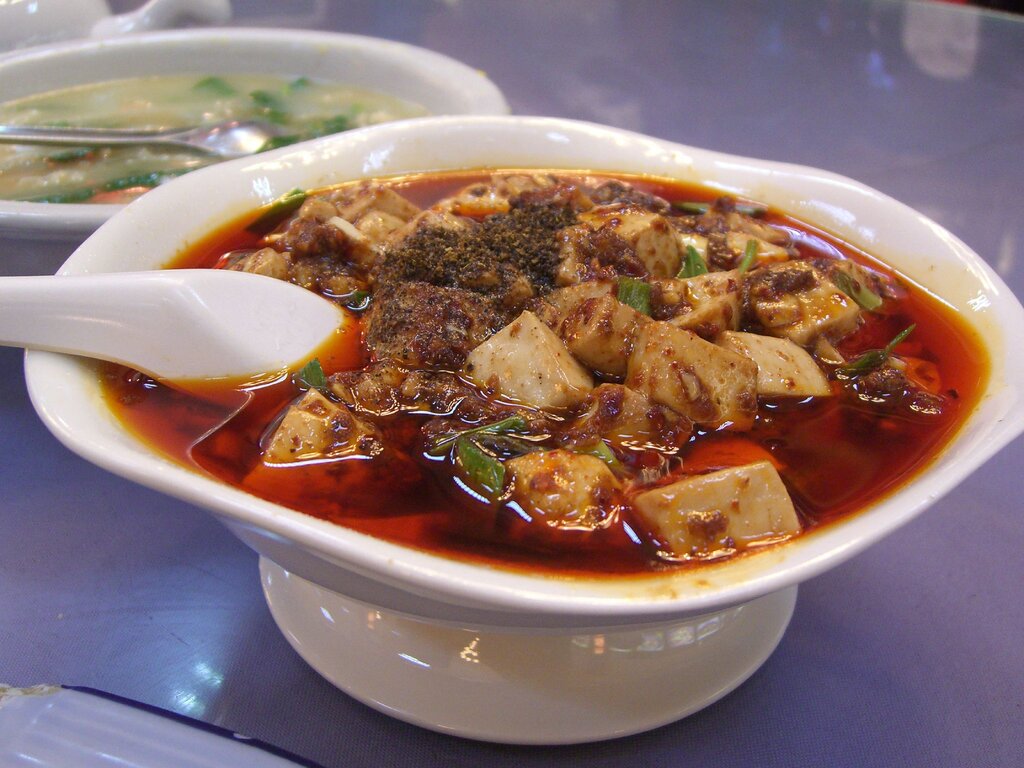
Signature dishes include Mapo Tofu, a fiery dish of soft tofu in a spicy sauce, and Kung Pao Chicken, a stir-fry with chicken, peanuts, and chilies. These dishes balance spicy, sweet, and savory notes all at once.
This dish, almost more than any other, expresses for me the gorgeous layering of flavours that is the signature of Sichuanese cookery.
Hunan cuisine is often even spicier than Sichuan, but it's a more direct, purely fiery heat without the numbing sensation. Known as xiānglà (香辣), or "fragrant spicy," its flavors come from fresh chilis, pickled chilis, and smoked meats. The cooking is often rich and oily, with common techniques including stewing, stir-frying, and steaming.
Key Dishes: Chairman Mao's Red-Braised Pork (a rich, savory-sweet pork belly dish) and Steamed Fish with Chopped Chili.
Coastal Freshness
Along China's long coastline, the food focuses on showcasing the natural, delicate flavors of fresh ingredients, especially seafood.
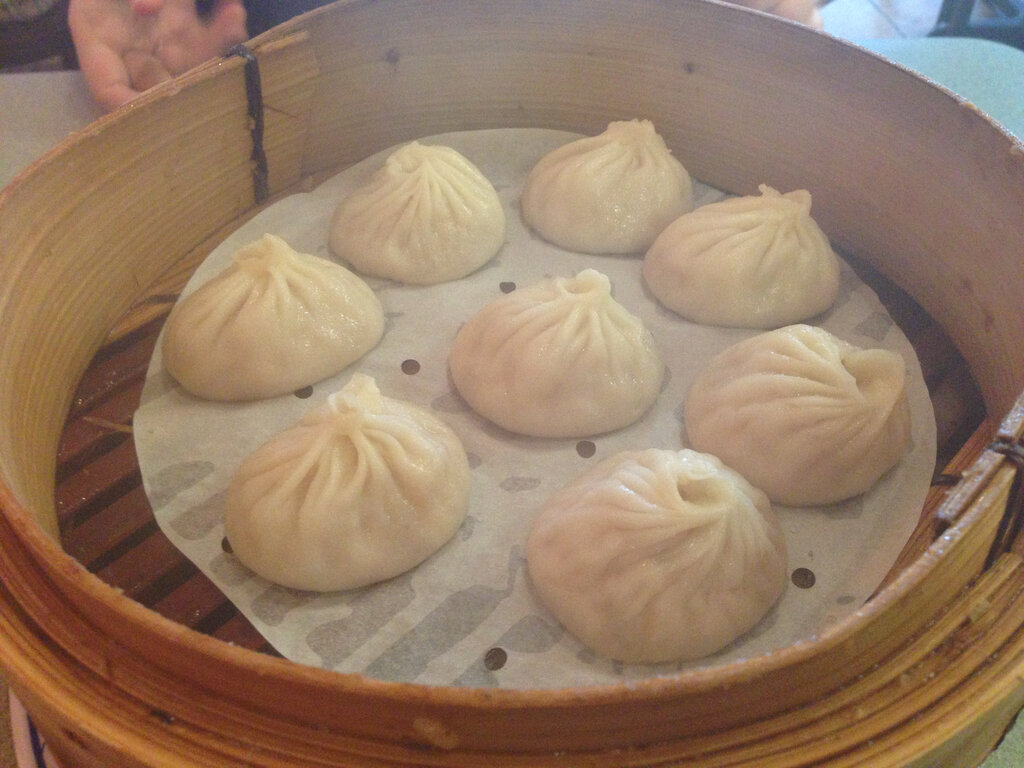
Cantonese cuisine, from Guangdong province, is probably the most widely known style of Chinese food outside of China. It's all about freshness and subtlety. Chefs aim to enhance the natural taste of the ingredients, not overpower them. This is why steaming and light stir-frying are popular cooking methods. It's also the home of dim sum, a meal of small, shareable plates like dumplings, buns, and rolls.
Shandong cuisine is one of the oldest culinary traditions in China. Hailing from the northern coast, it's known for its hearty, savory flavors, often featuring seafood like scallops and prawns. They are masters of a technique called bào (爆), a quick, high-heat stir-fry that locks in flavor and texture. Sweet and Sour Carp is a famous example of their skill.
Jiangsu and Zhejiang cuisines, from the area around Shanghai, are celebrated for their elegance, delicate flavors, and artistic presentation. Cooks use fresh-water fish and seasonal vegetables, often cooking them slowly through braising and stewing to create rich, nuanced sauces. Zhejiang's Dongpo Pork, a melt-in-your-mouth braised pork belly, is a perfect example.
Fujian cuisine, from the southeastern coast, is known for its light, umami-rich flavors. It heavily features seafood and woodland ingredients like mushrooms and bamboo shoots. A key ingredient is red rice wine, which adds a unique, fragrant depth to many dishes. Their soups are particularly famous, like the luxurious and complex "Buddha Jumps Over the Wall."
Rustic Traditions
Inland, the food often draws from the mountains and fields, featuring wild ingredients and simple, hearty preparation methods.
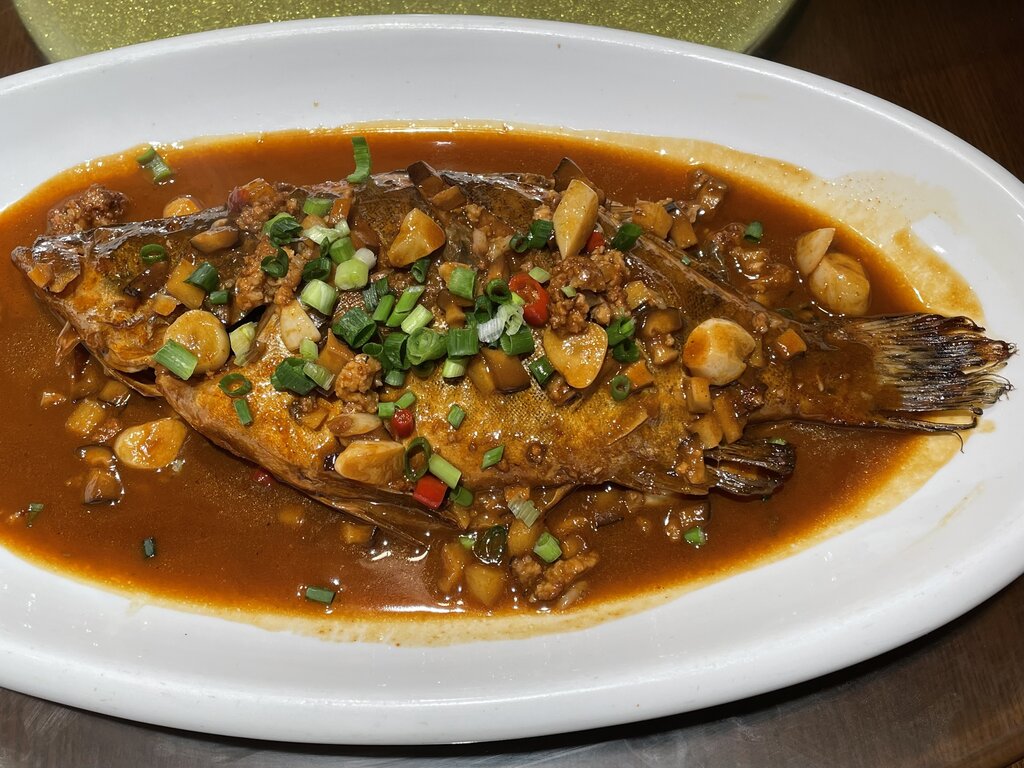
Anhui cuisine comes from the mountainous region of the Yellow Mountains. It relies heavily on local, wild ingredients like herbs, vegetables, and game. The flavors are simple, fresh, and slightly salty. Anhui chefs are skilled at controlling heat and cooking time, often using simple methods like stewing and braising to bring out the natural essence of the food. One of its most famous (and famously pungent) dishes is Fermented or "Stinky" Mandarin Fish.
Each of these culinary styles offers a unique window into the culture and geography of its region. Exploring them is a journey through the diverse and delicious landscape of China.
| Cuisine | Region | Key Flavor Profile | Signature Dish |
|---|---|---|---|
| Sichuan | Southwest | Numbing & Spicy (málà) | Mapo Tofu |
| Cantonese | Southeast | Fresh, Subtle, Natural | Dim Sum |
| Shandong | Northeast | Savory, Fresh Seafood | Sweet and Sour Carp |
| Jiangsu | East | Elegant, Light, Fresh | Braised Meatballs |
| Zhejiang | East | Mellow, Fresh, Refined | Dongpo Pork |
| Fujian | Southeast | Umami, Sweet & Sour | Buddha Jumps Over the Wall |
| Hunan | South-Central | Fiery Hot (xiānglà) | Steamed Fish with Chili |
| Anhui | Inland East | Wild, Lightly Salty | Stinky Mandarin Fish |
Ready to test what you've learned? Let's review the key ideas.
Now, let's see how much you remember.
What two ingredients are combined to create the signature 'málà' (numbing and spicy) flavor of Sichuan cuisine?
A chef who focuses on enhancing the natural, subtle taste of fresh ingredients rather than overpowering them with heavy sauces is most likely practicing which style of Chinese cooking?
Understanding these regional differences is the key to appreciating the vast world of Chinese cooking. Next time you eat Chinese food, you'll know a little more about the story behind the flavors on your plate.