Regenerative Rural Tourism in Catalonia
Introduction to Regenerative Tourism
Beyond Sustainability
For years, "sustainable tourism" was the gold standard. The goal was to minimize negative impacts, to tread lightly, and to leave a place as we found it. It’s a noble idea, aiming for a neutral footprint. But what if we could do more? What if travel could actively make a place better?
This is the core idea behind regenerative tourism. It shifts the focus from simply doing less harm to actively doing more good. Instead of trying to maintain the status quo, it seeks to improve and restore the places we visit. It’s about leaving a destination healthier, more vibrant, and more resilient than it was before.
Regenerative Tourism
noun
A form of tourism that aims to actively improve the environmental, social, and economic conditions of a destination, leaving it better for future generations.
Imagine a hotel that not only recycles its water but also invests in restoring a local wetland. Or a tour company that doesn't just hire local guides, but actively partners with the community to revive traditional crafts. This is regeneration in action.
Core Principles
Regenerative tourism is built on a few key principles that work together to create positive change. It's not a checklist, but a holistic way of thinking about the relationship between visitors, communities, and the environment.
Community Empowerment: This is about putting local people at the heart of tourism. It means ensuring that the community has a real voice in decisions that affect them and that they directly benefit from tourism. This isn't just about jobs; it’s about ownership and control.
Environmental Restoration: Regenerative tourism goes beyond conservation. It actively seeks to heal ecosystems. This could involve reforesting damaged land, cleaning up rivers, or reintroducing native species. The goal is to enhance biodiversity and improve the health of the local environment.
Economic Resilience: It fosters a local economy that is diverse and strong. This means supporting local businesses, creating fair wage jobs, and keeping money circulating within the community. The aim is to build an economy that can withstand shocks and isn't solely dependent on tourism.
Cultural Preservation: Travel should honor and celebrate local culture, not dilute it. This principle involves supporting authentic cultural experiences, protecting heritage sites, and ensuring that traditions are passed on to future generations in a respectful way.
Community-based tourism (CBT) serves as a powerful model that fosters this connection by empowering locals to take control of their resources, culture, and economic potential.
Sustainable vs. Regenerative
So, how is this different from sustainable tourism? While the two are related, their ambitions are different. Sustainability aims for balance and neutrality. Regeneration aims for positive growth and healing.
| Feature | Sustainable Tourism | Regenerative Tourism |
|---|---|---|
| Goal | Do no harm; maintain the current state. | Do good; improve the destination. |
| Focus | Reducing negative impacts. | Creating positive impacts. |
| Outcome | A neutral footprint. | A net-positive contribution. |
| Approach | Efficiency and conservation. | Restoration and renewal. |
Think of it like this: Sustainable tourism is like a responsible houseguest who cleans up after themselves and leaves everything exactly as they found it. Regenerative tourism is like a houseguest who not only cleans up but also fixes a leaky faucet and plants a garden in the backyard.
Sustainability is about slowing down the damage. Regeneration is about reversing it.
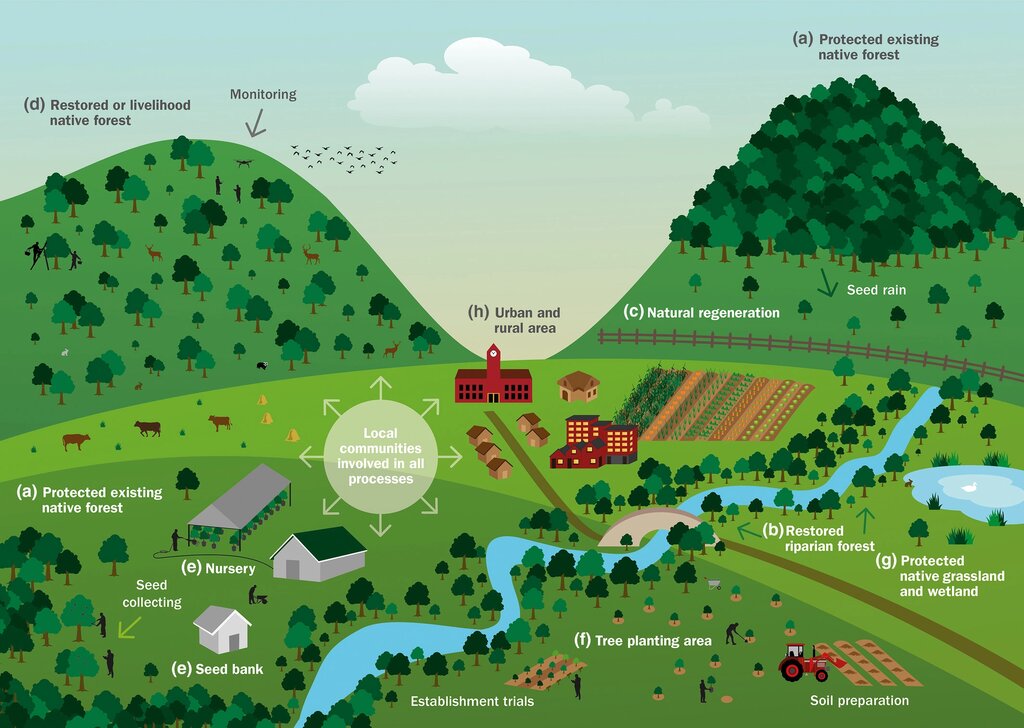
This shift in thinking is crucial. It acknowledges that many destinations are already degraded from decades of human activity. Simply sustaining them in their current state isn't enough. We need to actively participate in their recovery.
Ready to check your understanding of these foundational ideas?
What is the primary goal that distinguishes regenerative tourism from sustainable tourism?
A tour operator starts a project to reforest a hillside damaged by erosion, using a portion of its profits and inviting tourists to participate. Which key principle of regenerative tourism does this action best exemplify?
By embracing regeneration, travel can become a force for positive change, enriching both the traveler and the destination in a deep and meaningful way.