Redmi Smartphone Guide
Introduction to Redmi Smartphones
A Brand is Born
Back in 2013, Xiaomi launched a new line of smartphones with a simple goal: make quality technology available to everyone. This wasn't a separate company, but a series of phones called Redmi. The idea was to pack solid features into a device that didn't cost a fortune. It was an immediate hit, especially in emerging markets where consumers wanted capable phones without the high price tags of flagship models.
For years, Redmi operated under the Xiaomi umbrella. If you bought a Redmi phone, you knew you were getting a Xiaomi product. This helped build trust, as Xiaomi was already known for its
Standing on Its Own
In 2019, a big change happened. Xiaomi announced that Redmi would become its own sub-brand. This wasn't just a name change; it was a strategic split. From this point on, Xiaomi would focus on its premium Mi phones, pushing the boundaries of technology and design. Redmi, on the other hand, would double down on its original mission: creating the best possible devices at the most accessible prices.
Think of it like car manufacturers. Toyota makes reliable, affordable cars for the masses, while its Lexus brand caters to the luxury market. Both are part of the same parent company, but they serve different customers. Similarly, Xiaomi and Redmi now target different segments of the smartphone market. This allows each brand to have a clear focus.
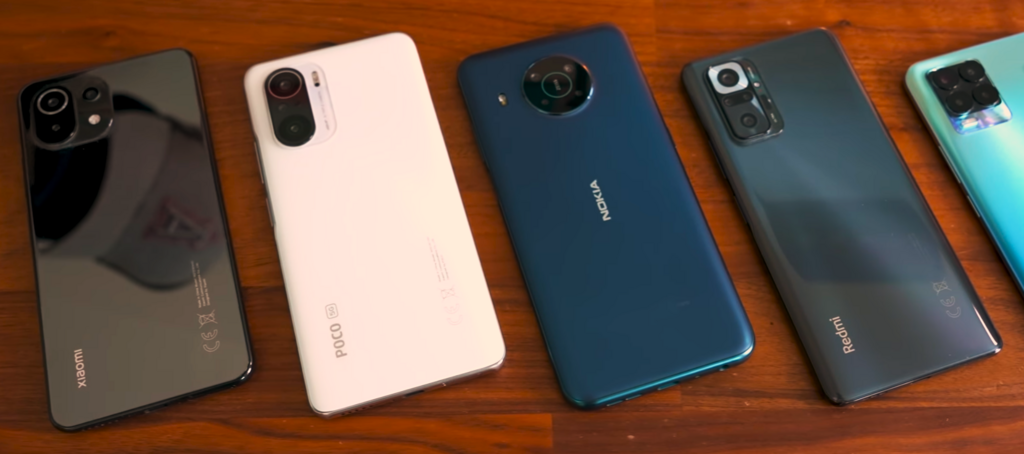
Redmi's core philosophy is to bring flagship-level features to lower price points. While a top-tier Xiaomi phone might debut a brand-new camera sensor or charging technology, you can expect to see that same technology appear in a Redmi device a year or two later, but at a fraction of the cost. This “flagship killer” approach has won Redmi millions of fans who want powerful features without paying a premium.
Key Milestones
Redmi's journey is marked by several key moments that shifted expectations in the budget smartphone world. The original Redmi phone in 2013 proved that a low-cost phone didn't have to be a bad phone. Later, the Redmi Note series changed the game by offering large screens and bigger batteries, features that were once exclusive to expensive “phablets.”
| Model | Year | Defining Feature |
|---|---|---|
| Redmi 1 | 2013 | Made smartphones truly affordable |
| Redmi Note 3 | 2016 | Introduced a metal body and fingerprint sensor to the budget segment |
| Redmi Note 7 Pro | 2019 | Brought a 48MP camera, once a high-end feature, to the masses |
| Redmi K20 Pro | 2019 | Dubbed the "Flagship Killer" for its top-tier processor at a mid-range price |
Each of these models challenged the industry. They forced competitors to offer more for less and cemented Redmi's reputation as the go-to brand for value. The brand has since expanded beyond phones, bringing its high-value philosophy to products like earbuds, smartwatches, and even televisions.
Time to review what you've learned about Redmi's history and purpose.
What was the original goal of the Redmi series when it was first launched by Xiaomi in 2013?
What major strategic change occurred for Redmi in 2019?
Understanding this history is key to seeing why Redmi offers so many different models today. Each one is built on the foundation of providing great value.