Recruiter Negotiation Tactics
Understanding Salary Negotiation
Why Negotiation Matters
Salary negotiation is the discussion between you and a potential employer to agree on your compensation. It's a standard part of the hiring process. Far from being a confrontation, it’s a collaboration to find a number that works for both sides.
Salary negotiation is a critical skill that can significantly impact your lifetime earnings and career trajectory.
Failing to negotiate your starting salary can have a long-lasting effect. Future raises and bonuses are often calculated as a percentage of your base pay. A lower starting point means smaller increases over time. A single negotiation can translate into tens of thousands of dollars, or more, over your career.
The Psychology of the Talk
Negotiation can feel intimidating. Many people worry about appearing greedy or jeopardizing the job offer. It's helpful to remember that companies expect you to negotiate. They build it into their hiring process. When you get an offer, the company has already decided they want you on the team. Your goal is simply to ensure the compensation reflects the value you bring.

A key psychological principle at play is anchoring. The first number mentioned in a negotiation acts as an 'anchor' that influences the rest of the discussion. If an employer offers $50,000, that number anchors the conversation, and subsequent offers will likely hover around it. If you are the first to state a number, you can set the anchor, but it needs to be a well-researched, reasonable figure.
Economic Realities
Your salary isn't just a random number. It's determined by several economic factors that you need to understand to negotiate effectively.
- Market Value: This is what other companies are paying for someone with your skills, experience, and in your location. Research is key to knowing your market value.
- Company Budget: Every role has a salary range the company has budgeted for. Your goal is to land in the upper end of that range.
- Supply and Demand: If your skills are in high demand and there aren't many people who can do what you do, you have more leverage.
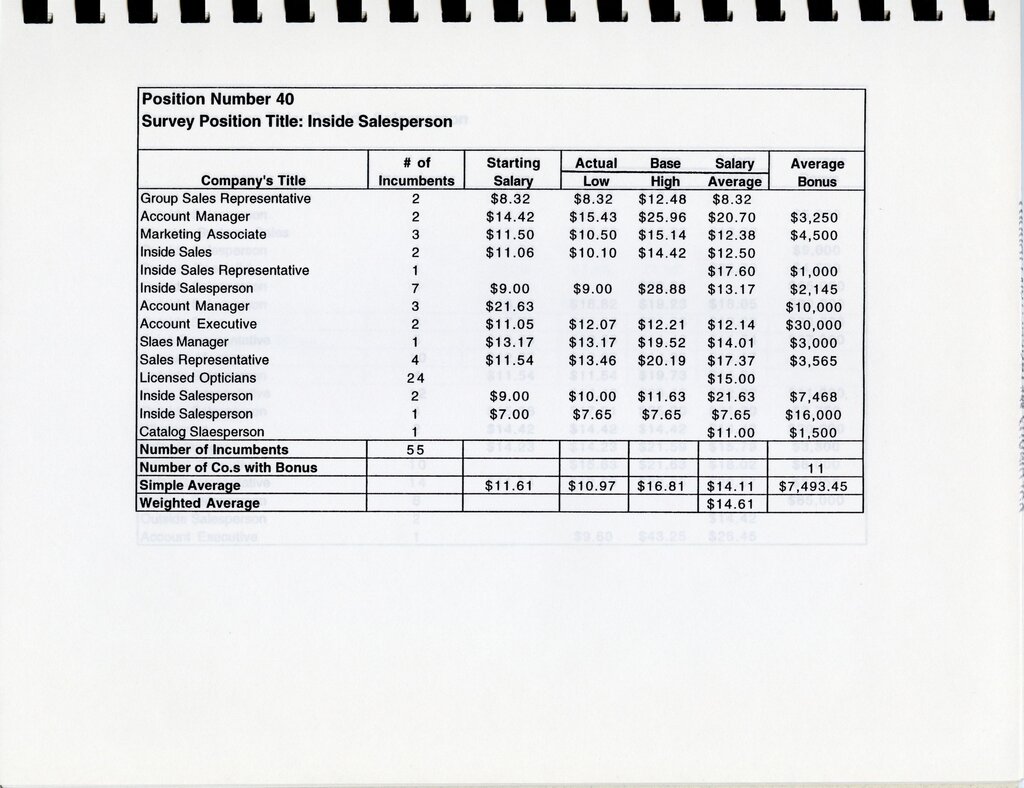
Before any negotiation, you should research typical salaries for your role, industry, and geographic area. Use online salary calculators, talk to recruiters, and look at job postings that list salary ranges. This data gives you a realistic target and the confidence to ask for it.
Common Negotiation Myths
Many people hold back from negotiating because of common misconceptions. Let's clear up a few of them.
| Myth | Reality |
|---|---|
| The first offer is final. | Most first offers are just a starting point. Companies often expect a counteroffer. |
| Negotiating will cost me the job. | If done professionally and based on research, it's extremely rare for a company to rescind an offer. It shows you know your worth. |
| I should accept what's offered to show I'm grateful. | You can be both grateful for the offer and confident in your value. Negotiation is a standard business practice. |
| It's only about the base salary. | Compensation includes benefits, vacation time, bonuses, and professional development opportunities. These are all negotiable. |
Understanding these realities is the first step toward approaching your next salary talk with confidence. Now let's test what you've learned.
What is the primary goal of salary negotiation from the perspective of a job candidate?
According to the text, how does your starting salary affect your financial future?
Salary negotiation is a fundamental skill for building a successful career. By understanding the basics of why it matters, the psychology behind it, and the economic factors at play, you're ready to advocate for the compensation you deserve.