Recovering from a Hand Fracture
Anatomy of the Hand
The Hand's Framework
Your hand is an incredible tool, capable of both powerful grips and delicate touches. This versatility starts with its underlying structure: the skeleton. The hand contains 27 bones, organized into three distinct groups.
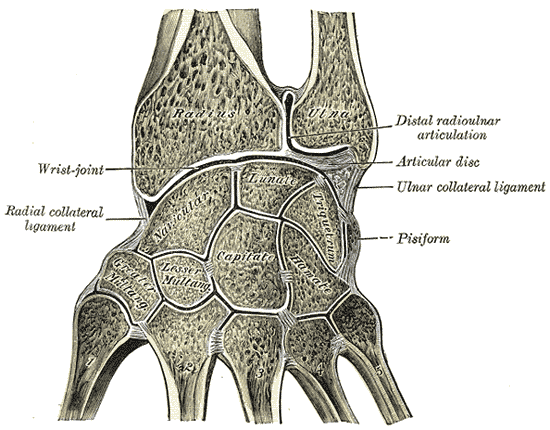
First are the carpals, a set of eight small, irregularly shaped bones that form your wrist. They provide flexibility and a wide range of motion.
Next are the metacarpals, the five bones that make up the palm of your hand. They act as a bridge, connecting your wrist to your fingers.
Finally, the phalanges are the 14 bones that form the fingers and thumb. Each finger has three phalanges (proximal, middle, and distal), while the thumb has two.
Meet the Metacarpals
The metacarpals are the long bones situated between the carpal bones of the wrist and the phalanges of the fingers. Think of them as the foundation of your palm. They are numbered one through five, starting from the thumb side.
- First Metacarpal: Connects to the thumb. It is the shortest and most mobile, allowing the thumb to oppose the other fingers.
- Second Metacarpal: Connects to the index finger.
- Third Metacarpal: Connects to the middle finger.
- Fourth Metacarpal: Connects to the ring finger.
- Fifth Metacarpal: Connects to the pinky finger.
The second and third metacarpals are the most stable and form a rigid axis around which the hand moves. The fourth and fifth are more mobile, allowing the hand to cup and adapt its shape for gripping objects of different sizes.
The third metacarpal, which links to the middle finger, is unique. It has a small projection called a styloid process on its base, which helps lock it into the carpal bones, providing extra stability to the center of your hand.
The Engine of Movement
Bones don't move on their own. The metacarpals serve as crucial attachment points for many of the small muscles (intrinsic muscles) and tendons that control finger movement. These muscles allow you to perform fine motor tasks like writing or buttoning a shirt.
For example, the interossei muscles, located between the metacarpals, are responsible for spreading your fingers apart and bringing them back together. They are essential for a strong grip.
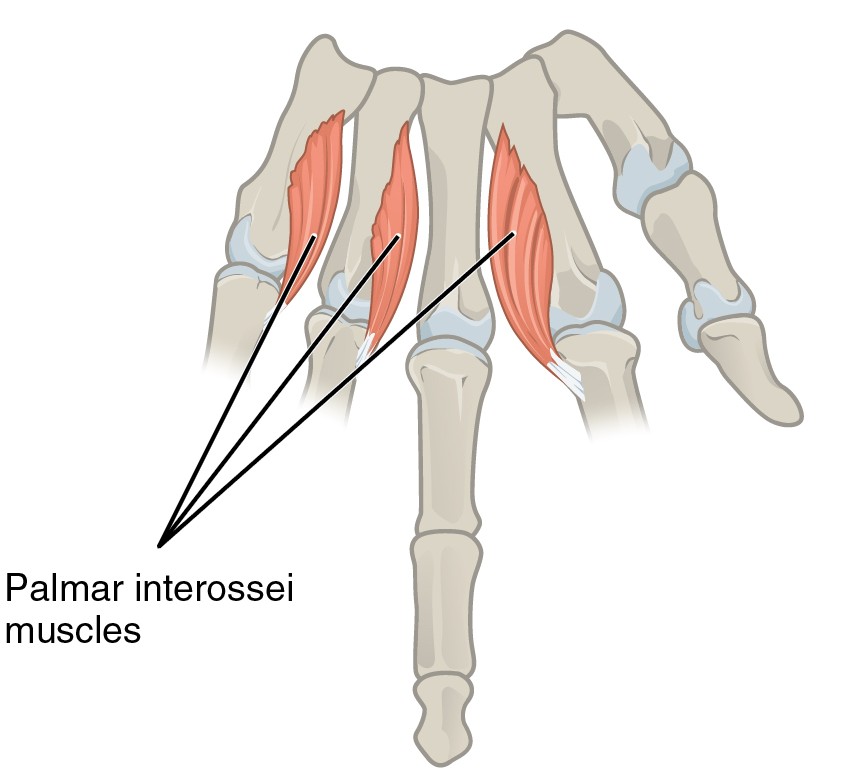
When you make a fist, the heads of the metacarpals become your knuckles. Their structural integrity is vital for transmitting force, whether you're pushing a door open or gripping a tool. Because the third metacarpal is a central, stabilizing pillar of the hand, its health is critical for overall hand function. Understanding its location and role is the first step in appreciating what happens when it gets injured.